


Landlords must disclose lead paint, and EPA is fining owners who don’t
A Connecticut landlord paid $359,069 after failing to disclose possible lead paint in 11 apartments where children lived. The rule covers homes built before 1978.
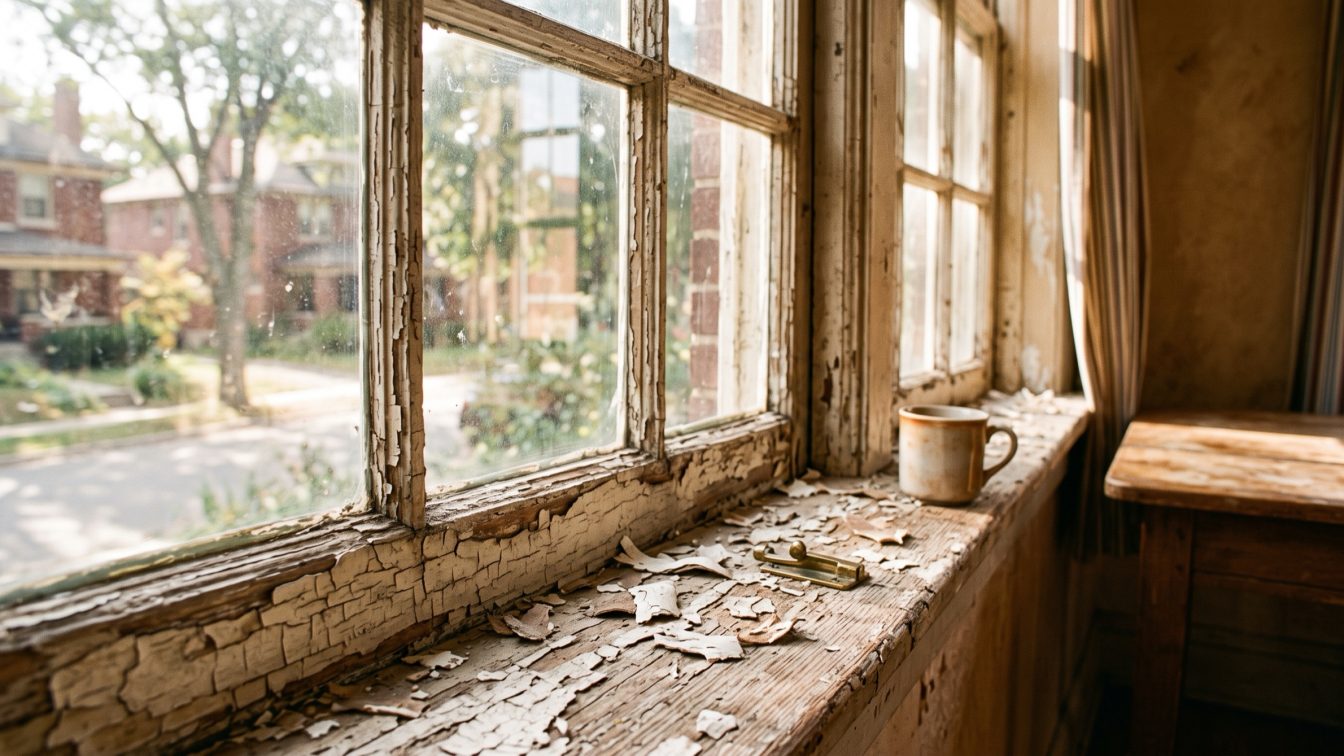
Table of contents
Summary of this article
- The Environmental Protection Agency announced a settlement on August 10, 2026, requiring Konover Residential Corporation to pay $359,069 for failing to provide lead-based paint disclosures to tenants.
- The violations involved 11 apartment units at the Cargill Falls Mill property in Putnam, Connecticut, a pre-1978 building converted to residential use around 2017. The EPA determined children were living in the affected units.
- Federal law requires landlords of housing built before 1978 to provide four things before a tenant is obligated under a lease: an EPA lead hazard pamphlet, a lead warning statement in the lease, disclosure of known lead hazards, and any available records.
- The requirement comes from the Residential Lead-Based Paint Hazard Reduction Act and the Toxic Substances Control Act, enforced by the EPA through the Lead-Based Paint Disclosure Rule.
- The Centers for Disease Control and Prevention states there is no safe blood lead level in children, and the effects on the developing brain are permanent.
- The EPA opened its inspection after tenants filed complaints, which shows tenant reports can trigger enforcement.
- Disclosure is source control at the point of decision. It tells you where the hazard is before you move in, so you can control the dust, test the water, and protect your children.
Konover Residential Corporation paid $359,069 for not telling tenants their building might contain lead paint. EPA announced the settlement on August 10, 2026, covering 11 apartments at Cargill Falls Mill in Putnam, Connecticut, where children were living.
Age is why the law applied. Lead-based paint was banned for residential use in 1978, and every home older than that is presumed to contain it until someone proves otherwise. Converting a nineteenth-century mill into apartments around 2017 changes nothing about that.
Telling a tenant is the first defense a family gets. Told, you can control the dust, use cold water for formula, and ask a pediatrician for a blood test. Not told, you do none of it, because you do not know there is anything to do.
Four failures across 11 leases
Tenants started it. Residents complained, and the EPA inspected the property under the Toxic Substances Control Act, going through the records of Konover, the management company at the time.
Inspectors found four separate failures. Tenants got no EPA lead hazard pamphlet. Leases carried no lead warning statement. Nothing was disclosed about known lead paint or hazards, and nothing said there was no such knowledge. Records and reports never appeared either, with no statement that none existed.
“EPA’s lead-based paint disclosure requirements are essential to protecting the health of New England communities, especially children who are most vulnerable to lead exposure,” said Mark Sanborn, EPA New England Regional Administrator.
Konover paid the penalty and agreed to comply going forward.
What your landlord owes you before you sign
This requirement is old and it is not optional. It runs from the Residential Lead-Based Paint Hazard Reduction Act and the Toxic Substances Control Act, and the EPA enforces it through the Lead-Based Paint Disclosure Rule. Almost all housing built before 1978 falls under it.
Four things have to reach you before a lease binds you:
The pamphlet. An EPA-approved lead hazard information booklet explaining the risk and how to cut it.
The warning statement. A standard notice attached to the lease itself.
What the landlord knows. Any known lead paint or hazards in the building, or a statement that they know of none.
The records. Any available reports about lead on the property, or a statement that none exist.
Timing is the whole point. All of it has to arrive before the contract obligates you, not after the boxes are in the hall. Disclosure exists to inform the decision to sign.
Lead paint becomes a dust problem
Most people picture a child eating a paint chip. Dust does the real damage.
Paint in good condition, sealed under newer coats, is a limited risk. Trouble starts when it deteriorates or rubs against itself, and windows and doors are the worst offenders. Every time a painted sash slides in its frame or a door swings on its hinges, the surfaces grind and shed a fine lead dust onto sills, floors and the ground below.
Children swallow it doing ordinary things. They crawl, they touch, and their hands and toys go in their mouths. Lead-contaminated house dust is the most common way young children are exposed, the CDC says.
Children living in those 11 units is exactly what raised the stakes on the missing paperwork.
No safe level, and no going back
No blood lead level in a child is safe, according to the CDC. Even small amounts are linked to lower IQ, shorter attention span and trouble with learning and behavior, and none of that reverses.
Children also absorb more of what they swallow. A child’s digestive system takes up a larger fraction of ingested lead than an adult’s, and a developing brain is more vulnerable to it.
Paint is not the only route. A wildfire drives lead out of the same houses and into the soil around them.
The CDC flags children above 3.5 micrograms per deciliter as more exposed than most. That number is a comparison, not a safety line, and harm happens below it. About half a million American children aged 1 to 5 sit at or above it. Because the damage is permanent, everything worth doing happens before the exposure, not after.
Disclosure is source control at the point of decision
A household has the most leverage before it signs, which is where this rule sits. Soil carries the same metal from other directions, as a floodplain outside a long-closed pesticide plant keeps demonstrating.
Knowing a building predates 1978 lets a tenant inspect the paint around windows and doors, wet clean instead of dry sweeping, keep surfaces intact, and get a child tested. Handed the inspection records, they know exactly where the lead is.
None of that removes the lead. It removes the ignorance, which is why the law puts the requirement before the signature and why skipping it cost $359,069.
What tenants can do
Ask for all four disclosures in writing before you sign. Pamphlet, warning statement, known hazards, available records. In any pre-1978 building these are your legal right, and a landlord who provides none has broken the rule whether or not lead turns up.
Confirm the building’s age. Built before 1978 means assume lead paint until proven otherwise, whatever the landlord volunteers.
Inspect around windows and doors. Friction surfaces make the most dust. Watch for peeling, chipping or chalking, and report it in writing.
Wet clean, never dry sweep. Damp cloth and detergent on floors, sills and window wells. Sweeping and dry dusting put the lead back in the air.
Wash hands and toys often. Before every meal and nap, and after floor play or time outside. Handwashing takes the dust off the route into a child’s mouth.
Cold water only for drinking and formula. Older buildings can have lead plumbing, and hot water dissolves more of it. The service line under the yard carries its own lead, separate from anything on the walls.
Ask your pediatrician for a blood lead test. Around ages 1 and 2, when exposure usually peaks, is the only way to know.
Report a landlord who does not comply. Tenant complaints are what triggered the Cargill Falls Mill inspection in the first place.
Eleven apartments, four missing disclosures, children living in them, and a $359,069 penalty. No level of lead is safe for a child and the effects do not reverse, which makes the paperwork the first thing standing between a family and the hazard. Ask for all four in writing, control the dust once you know, and report anyone who will not hand them over.
Sources
- Environmental Protection Agency. EPA Settlement Resolves Alleged Lead-Based Paint Disclosure Violations at Putnam, Connecticut Apartment Complex, August 10, 2026, including the $359,069 penalty and the four disclosure violations.
- Environmental Protection Agency. Lead-Based Paint Disclosure Rule under the Residential Lead-Based Paint Hazard Reduction Act and the Toxic Substances Control Act.
- Centers for Disease Control and Prevention. Childhood Lead Poisoning Prevention, including the no safe blood lead level statement and the 3.5 micrograms per deciliter reference value.
- Environmental Protection Agency. Protect Your Family from Sources of Lead, on lead paint, dust, and household exposure.
Questions people ask
What is my landlord required to tell me about lead paint?
For any housing built before 1978, federal law requires your landlord to provide four things before you sign a lease: an EPA-approved lead hazard information pamphlet, a lead warning statement attached to the lease, disclosure of any known lead paint or hazards (or a statement they know of none), and any available records or reports about lead in the building. The requirement comes from the Lead-Based Paint Disclosure Rule, enforced by the Environmental Protection Agency.
Why did the EPA fine Konover Residential Corporation?
The EPA announced a settlement on August 10, 2026, requiring Konover to pay $359,069 for failing to provide the required lead-based paint disclosures to tenants in 11 apartment units at the Cargill Falls Mill property in Putnam, Connecticut. The company failed to give tenants the EPA pamphlet, include the lead warning statement in leases, disclose known hazards, and provide available records. The EPA determined children were living in the affected units.
Does the disclosure rule apply to every rental?
It applies to almost all housing built before 1978, the year the federal government banned lead-based paint for residential use. Buildings constructed after 1978 are generally exempt. The Cargill Falls Mill complex predates 1978 and was converted to residential use around 2017, so the rule applied despite the recent conversion.
Is lead paint dangerous if it is not peeling?
Lead paint in good condition, sealed under newer coats, poses limited risk. The hazard appears when paint deteriorates or rubs against itself, especially around windows and doors, where friction sheds fine lead dust. The Centers for Disease Control and Prevention identifies lead-contaminated house dust as the most common way young children are exposed, so keeping paint intact and wet cleaning surfaces matter.
How dangerous is lead for children?
The Centers for Disease Control and Prevention states there is no safe blood lead level in children. Even low exposure is linked to lower IQ, attention problems, and learning difficulties, and the damage is permanent. Children absorb lead more efficiently than adults, and their developing brains are more vulnerable. The agency estimates about half a million US children ages 1 to 5 have blood lead levels at or above its reference value of 3.5 micrograms per deciliter.
What can I do if my landlord does not provide the disclosures?
Request all four disclosures in writing before you sign. If your landlord fails to comply, you can file a complaint with the Environmental Protection Agency, which is what triggered the Cargill Falls Mill inspection. In the meantime, assume a pre-1978 building may contain lead, wet clean floors and sills, wash children's hands frequently, use only cold water for drinking and formula, and ask your pediatrician to test your child's blood lead level.



Have questions about the environment inside your home?
Air quality, mold, EMF, light and water all shape how a house feels and how the people in it feel. Whatever your concern is, the first step is finding out what is there.
Our certified team of environmental professionals and advocates can help.