EPA let a trade group decide whether your car parts meet emissions rules
SEMA, the aftermarket trade association, can now certify that emissions parts meet federal rules in place of EPA's own review…


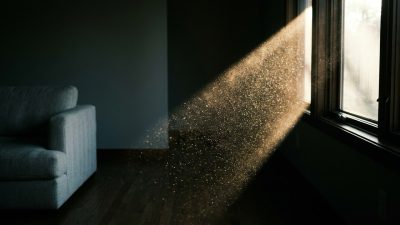
Air is the one thing you can't stop taking in. You breathe roughly 20,000 times a day, pulling in whatever happens to be floating around you: pollen, smoke, mold spores, exhaust, or nothing worse than a summer afternoon.
Most of the time you don't think about it. Then wildfire season arrives, or a child develops asthma, or a neighbor mentions their air purifier, and suddenly you're looking at apps and readings without quite knowing what they mean.
This section is about that relationship. The air moving through your neighborhood, the air inside your walls, and the gap between what you can check and what you can change.
Yes, and fairly directly. Outdoor air enters through ventilation systems, gaps in the structure, and open windows. On high-pollution days, what's outside becomes what's inside unless you're actively managing it.
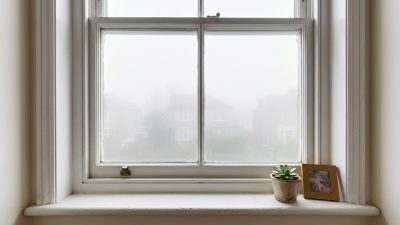
Ozone builds through a reaction between sunlight and traffic pollutants, peaking on warm, still afternoons. It is highest when the air looks its clearest, so the sky is a poor guide.
It does. In June 2023, smoke from fires in Canada pushed particle levels across the Northeast and Midwest to their worst in decades. Distance from the flames is no guarantee the air is unaffected.
Usually not. Pollen and regulated air pollutants are tracked by separate systems, and no national network forecasts pollen. A Good reading says nothing about pollen the same day.
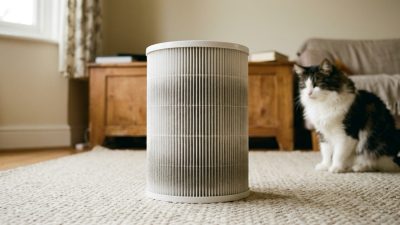
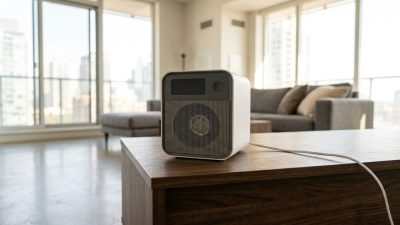
On days when outdoor air is poor, whether from smoke, ozone, or heavy pollen, a HEPA purifier keeps what drifts in from building up. Change the filter on schedule, because a clogged one stops working.
Not necessarily. The EPA puts indoor levels of some pollutants at 2 to 5 times outdoor levels, because cooking, cleaning products, and gas appliances all add to the air in a poorly ventilated space.
Air quality affects everyone, though the effects vary. Fine particles and ozone are tied to cardiovascular stress and reduced lung function over time, not only to immediate breathing discomfort. Children and older adults feel it sooner.
Check the index for your area before you open up, especially in the morning, when overnight ozone and particle levels may have shifted. On days rated Good or Moderate, fresh air is a net benefit. Above that, filtering indoors is the better call.
The easiest way to understand air quality is to stop treating outdoor and indoor air as two separate things. Whatever is in the air outside eventually finds its way in, through windows, doors, vents, and gaps around pipes. On a wildfire day, that's smoke. A high-pollen morning brings pollen indoors with it. The ozone that built up over hours of sunlight and traffic is the same ozone your HVAC pulls through the filter.
Outdoor air sets what you're starting with inside every building. What happens after that depends on the building: how well it breathes, what it puts into the air on its own, and whether anyone is paying attention. Two houses on the same street, breathing the same outdoor air, can have very different air inside.
The air quality index on a weather app follows a handful of pollutants: fine particles, ozone, and a few combustion gases. Each behaves differently. Ozone has no single source. It builds through a reaction between sunlight and other pollutants, which is why the worst ozone days arrive clear and warm rather than visibly smoggy.
Fine particles work the other way. You can smell wildfire smoke, and plumes travel thousands of miles. In June 2023, smoke from Canadian fires pushed particle levels across the Northeast and Midwest to the worst readings those cities had recorded in decades, hundreds of miles from any flame.
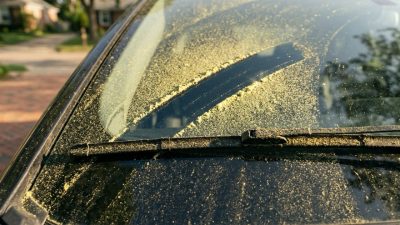
Pollen falls outside this system entirely. No national forecast network covers it. That's why a day rated Good on your air quality app can still be brutal if you have allergies. The app and the experience disagree because they are measuring different things.
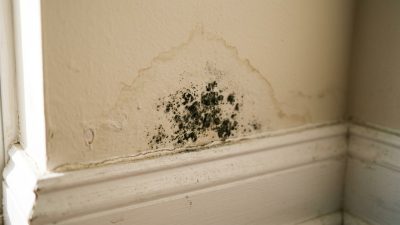
Indoor air carries whatever came in from outside, plus everything the household generates on its own: cooking fumes, gas burners, moisture, mold, cleaning products, and candles. In a poorly ventilated space, these build up. The EPA puts indoor levels of some pollutants at 2 to 5 times outdoor levels, and higher still during an activity like stripping paint.
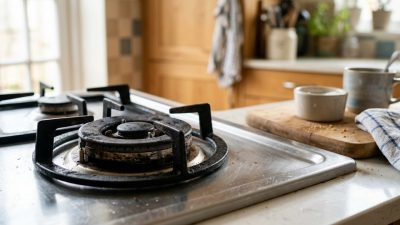
A gas burner running on a winter evening with the windows shut and the range hood off is the ordinary version of this. Nothing has gone wrong, and the air still gets worse. That matters because most people spend the majority of their lives indoors, which means the household has more influence over what they breathe than the weather does.
On good air days, opening windows cycles out what the house has accumulated. When smoke, high ozone, or heavy pollen arrive, the opposite applies. Keep the windows closed and run an air purifier with a HEPA filter, so outdoor pollutants aren't added to whatever the house is already producing.
The harder part is knowing which day you're in. Checking outdoor air quality before you open up in the morning takes about ten seconds. It makes a real difference for anyone with asthma, allergies, or a respiratory condition, because smoke and ozone don't always look or smell like a problem until you're already feeling one.
A carbon monoxide detector covers the one indoor risk no outdoor monitor can see. Combustion without ventilation gives no warning on its own.
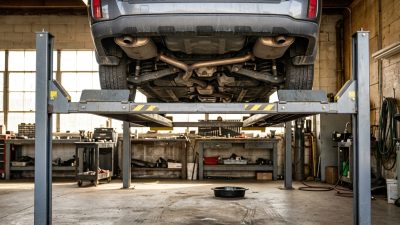
SEMA, the aftermarket trade association, can now certify that emissions parts meet federal rules in place of EPA's own review…
Leading cardiology groups now say environmental toxins help drive the nation's leading cause of death. Air pollution, metals, and plastics…
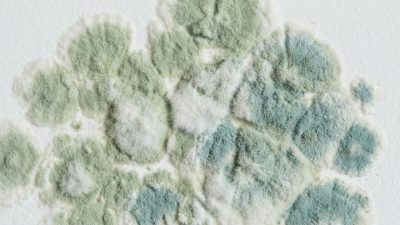
Texas, Florida, New York, and Louisiana bar the same company from both judging a mold problem and billing to solve…
The rating is measured at 0.3 microns, the particle size a filter has the hardest time catching. Both larger and…
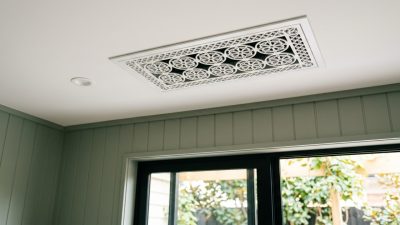
Field teams found the whole-house ventilation fan running in just 18 of 70 new California homes, and only 12 had…
A trained operator using ozone in an empty building isn't breaking federal rules, but no agency has approved the same…
A live measurement also exists, and it appears in the same color in the same app. Nothing emits ozone; sunlight…
EPA says on its own site it has no authority over indoor air quality. Its 9.0 describes outdoor air over…
The sampler sits above the trees to catch regional air, and a lab reads the slide a day later. Whatever…
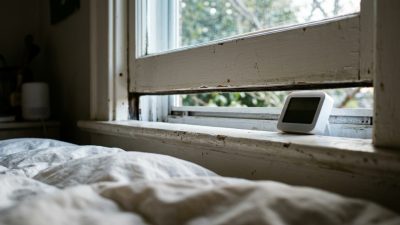
Outdoor air is about 428 ppm. A closed, unventilated bedroom reaches 2,000 to 4,000 ppm overnight. The 5,000 ppm limit…
No federal limit exists for mold or its spores, so no lab result can tell you a house passed. What…
Cardiac arrests across 14 California counties rose with heavy wildfire smoke, and the risk peaked two days afterward rather than…
Researchers measured 53 American kitchens and found more than three-quarters of a gas stove's methane escaped while every knob was…
Air quality, mold, EMF, light and water all shape how a house feels and how the people in it feel. Whatever your concern is, the first step is finding out what is there.
Our certified team of environmental professionals and advocates can help.