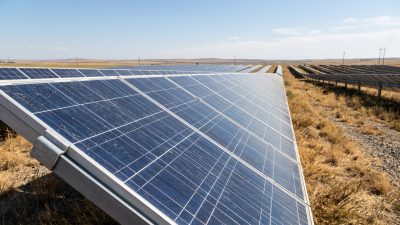
When solar projects shut down, gas and coal fill the gap
Demand doesn't fall when a solar plant goes offline, so fossil-fuel plants step in to keep power flowing. One alternative…


Energy is easy to forget. You flip a switch, turn a dial or light a burner, and the result feels clean and instant.
What happens behind that moment is where your health lives. The fuel burned to heat your house, cook your food and power your grid leaves something behind every time, and a good share of it ends up in the air you breathe.
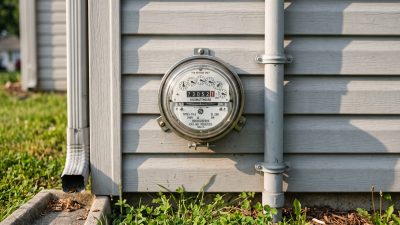
The US Energy Information Administration reports that the average American home uses about 10,500 kilowatt-hours of electricity a year, and much of that still comes from burning fossil fuels. That single fact ties your daily comfort to the emissions shaping the air outside your window.
Because most energy still comes from burning fuel, and that combustion releases pollutants both outdoors and inside your home. The EIA reports about 60% of US electricity came from fossil fuels in 2023.
Yes. A gas stove releases nitrogen dioxide and carbon monoxide as it burns. The American Lung Association links indoor nitrogen dioxide to worsened asthma, particularly in children.
Carbon monoxide. The CDC reports it causes more than 400 non-fire deaths a year in the United States. It has no color or smell, so a detector is the only reliable warning.
Yes. Any fuel-burning appliance can develop a fault or a blocked vent. Place a detector on every level and near bedrooms, and test it twice a year.
Homes seal up against the cold, ventilation drops, and combustion fumes from heaters and furnaces have fewer ways to escape. Unvented gas and kerosene heaters carry the highest risk.
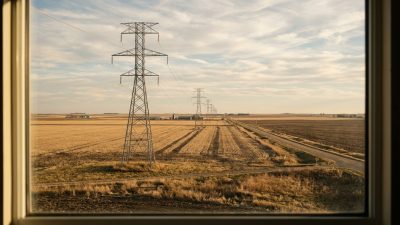
Power plants burn coal and gas to meet demand, releasing particulate matter and nitrogen oxides. The more electricity a region uses, the more of those pollutants enter the shared outdoor air.
It can. An electric or induction stove removes combustion from your kitchen, which cuts indoor nitrogen dioxide and carbon monoxide at the source. The wider benefit depends on how your grid makes its power.
Ventilation and a carbon monoxide alarm. Running a vented range hood while cooking and keeping a working detector cost little and cover the most serious indoor energy risks.
The EIA reports that about 60% of US electricity in 2023 came from fossil fuels, mainly natural gas and coal, with the rest from nuclear and renewables. Whatever mix serves your region sets how much pollution is created to keep your lights on.
Burning coal and gas releases particulate matter, nitrogen oxides and sulfur dioxide into the outdoor air. These are the same pollutants that raise the air quality index on a bad day.
The plant may sit far from your neighborhood. The emissions do not stay there, which is why your energy use and your outdoor air are part of one story rather than two.
The most direct energy exposures happen indoors, at appliances you use daily. A gas stove, a gas furnace, a water heater and a wood-burning fireplace all burn fuel inside your living space, and each releases combustion byproducts into the room.
Carbon monoxide is the one that kills quietly. The CDC reports that carbon monoxide poisoning causes more than 400 deaths a year in the United States unconnected to fires. A gas stove also raises indoor nitrogen dioxide, which the American Lung Association links to worsened asthma, especially in children.
The appliance is not broken when this happens. It works as designed and still changes the air, which is why ventilation rather than repair is the answer.
Heating season concentrates indoor exposure. Homes close up tight against the cold, ventilation drops, and fumes from a furnace, boiler or space heater have fewer ways out. An unvented gas or kerosene heater is the clearest risk, since it pours its combustion products straight into the room.
Cooling carries its own footprint. Air conditioning drives summer electricity demand, and the EIA reports that space cooling accounts for about 19% of home electricity use in the United States. That demand loops back to the power plants and the outdoor air.
The EPA reports that electricity and transportation together made up about 53% of US greenhouse gas emissions in 2022, and that output feeds the heat waves, wildfire smoke and longer allergy seasons landing back on your household. Lowering how much you use is one of the few moves that helps your own rooms and the wider picture at once.
Start with the alarm covering the gas you can't see or smell. Put a carbon monoxide detector on every level of your home and near sleeping areas. Test it twice a year when the clocks change.
Then ventilate the combustion you already own. Run the range hood every time you cook on a gas stove, and make sure it vents outside rather than recirculating. Have your furnace and water heater inspected once a year so small leaks get caught early.
Seal drafts and add insulation to cut how much fuel you burn in the first place. When an appliance wears out, an electric or induction replacement removes indoor combustion entirely, which is the only fix that ends the exposure rather than managing it.
Demand doesn't fall when a solar plant goes offline, so fossil-fuel plants step in to keep power flowing. One alternative…
Power demand from data centers is expected to keep raising electricity costs across the PJM region through at least 2028…
The 2022 Keystone rupture dumped 13,000 barrels of oil into Mill Creek, the largest spill in that system's history. A…
In 2024, 15.1 million homes had electricity or gas shut off over an unpaid bill, showing how often energy hardship…
Each hyperscale site can draw as much electricity as 35,000 homes, and county leaders also raised concerns about wastewater and…
The price spike sent money to very different places depending on who owned the well, from shareholder payouts in West…
NextEra's bid for Dominion would create the largest U.S. utility, and the math behind the deal depends on electricity demand…
2 of every 3 new U.S. homes are built inside a homeowners association, and some of those associations restrict rooftop…
Their home batteries send power back when the grid runs short, turning a rooftop solar setup into a paid resource…
The country doesn't share one national electric system, so a region that runs short often can't pull much power from…
Scientists told NBC News that vaporized spacecraft from re-entry could seed the upper atmosphere with metal particles if the company…
A 2026 analysis found that company disclosures leave out much of what data centers cost the places around them, including…
Air quality, mold, EMF, light and water all shape how a house feels and how the people in it feel. Whatever your concern is, the first step is finding out what is there.
Our certified team of environmental professionals and advocates can help.