North Central Florida has lost 80% of its monarch butterflies
North Central Florida's monarch population has fallen 80% since 2005, with development, pesticides, and a parasite called OE all contributing…


Soil keeps a record. Old paint, old fuel, decades of vehicle exhaust and whatever industry once operated nearby all settle into the top few inches and stay there.
Unlike bad air or a contaminated water supply, land never signals a problem. It just sits there, which is most of what makes it worth paying attention to.
The ground around a home shapes what comes indoors on shoes and dust, what children pick up at ground level, and what grows in a backyard garden. It's a slow exposure. It isn't a small one.
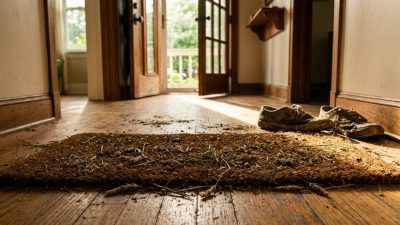
Fine soil particles stick to hands, shoes and toys, then move indoors as dust. Young children absorb far more lead than adults do from whatever they swallow.
Local planning offices, historical maps and county property records often show past uses. A former gas station or orchard points you toward specific tests.
The EPA estimates 1 in 15 US homes has elevated radon, and levels vary significantly from house to house on the same street.
Short-term kits sell at most hardware stores for around $20. Place one in the lowest lived-in room and mail it to the lab included with the kit.
Test first. If lead is present, raised beds filled with clean imported soil are a reliable way to keep growing food safely.
They can, especially indoors. Some compounds banned for outdoor use decades ago persist in soil and household dust, where weather cannot reach them.
Not necessarily. A new house can sit on a lot with a contaminated history. Building over old fill does not remove what is already in the ground.
A radon test and a look at the property's history. Those 2 steps cover the land exposures most likely to affect the people living there.
Lead is the most common concern around older homes, and it got there 2 ways: decades of leaded paint flaking off exterior walls, and leaded gasoline settling out of the air before the phaseout finished. Both left a residue that doesn't break down.
It concentrates in the top 2 inches of soil, which is where children play and where gardens root. The age of a neighborhood is a better guide to soil lead than the appearance of any particular yard, because a tidy lawn over contaminated ground looks identical to a tidy lawn over clean ground.
Paint is the heavier source close to a house, and gasoline the wider one near old roads. Both settle into the same few inches, and a test reports the total rather than the origin.
Paint is the heavier source close to a house, and gasoline the wider one near old roads. Both land in the same few inches, and a test reports the total rather than the origin.
Gas stations, dry cleaners, orchards, small industrial operations and farm fields all leave residues that outlast the buildings that created them. The house is newer than the ground it stands on, and the ground is what keeps the record.
Old pesticides show this. Compounds that would degrade outdoors under sunlight and weather can persist for years in soil and settle into indoor dust, protected from the very conditions that would otherwise break them apart.
Knowing a property's history is the fastest route to knowing what is worth testing for, and it costs an afternoon in the county records rather than a laboratory fee.
An orchard points at arsenic and lead from old sprays. A filling station points at solvents and fuel. A former dry cleaner points somewhere else again, which is why the history has to come before the test order.
Radon is a radioactive gas that seeps up from the natural breakdown of uranium in soil and rock. The EPA links it to around 21,000 lung cancer deaths a year, which places it behind smoking and ahead of everything else.
It has no color, no smell and no taste. Two houses on the same street can carry very different levels depending on the geology underneath them, so a neighbor's result is not your result.
A test kit from a hardware store costs about $20. That is the cheapest definitive answer in environmental health, and a high reading is a fixable problem rather than a permanent condition.
Winter readings run higher than summer ones, because a sealed house keeps what seeps in. Test in the season you live in, and retest after any work that changes how the house breathes.
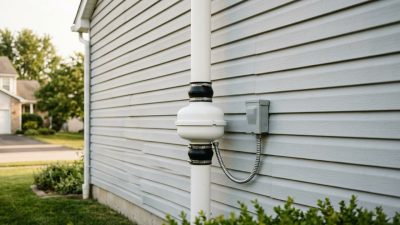
Test for radon first. Place the kit in the lowest lived-in room, mail it to the lab, and go from there. If levels come back high, a venting system brings them down.
Then look into the history of the lot through local planning records or a property search. Older homes reward 3 cheap habits: keep bare soil covered with grass or mulch, take shoes off at the door, and test the soil before planting anything you intend to eat.
A state certified lab runs a basic soil panel for a modest fee. Order it once you know what the lot used to be, because the history tells the lab what to look for.
North Central Florida's monarch population has fallen 80% since 2005, with development, pesticides, and a parasite called OE all contributing…
Federal wireless standards were written to stop signals from overheating human tissue, and they don't test for harm to animals…
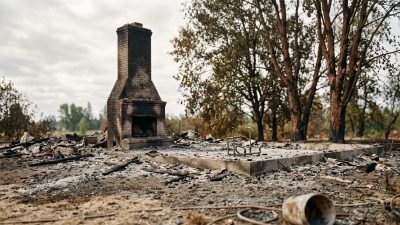
Lead paint, treated wood, asbestos, and flame retardants don't burn away in a wildfire. They concentrate in the ash and…
ALS destroys the nerve cells that control muscle movement, and most people diagnosed with it die within 3 to 5…
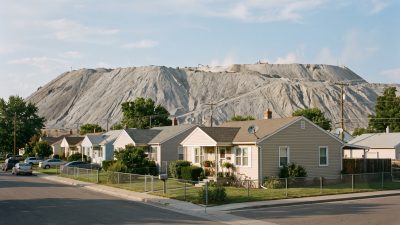
The pile holds radium, which breaks down into radon gas, and both can cause cancer. Its owner wants to keep…
Arsenic and lead from the former Kil-Tone pesticide plant are still washing through Vineland yards during floods. EPA's July plan…
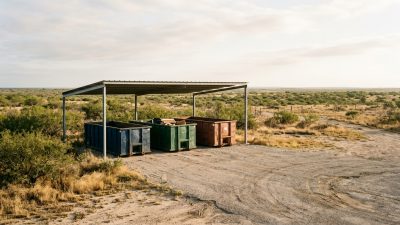
When a community has no reliable way to handle trash, it gets burned in piles or dumped, creating two health…
Eggs from backyard chickens living on or beside e-waste recycling ground carried especially high levels of PBDE flame retardants. The…
A 2026 review of subsea power-cable research found repeated effects on aquatic animals across the published literature. The affected species…
Cellular networks, Wi-Fi, small-cell antennas, and always-connected devices stacked exposure on top of each other for decades. No U.S. agency…
EPA combined soil from 30 spots on each property into one sample and called most lots safe, but a Purdue…
The work was done in animal and cell models and remains contested, so it stops well short of any claim…
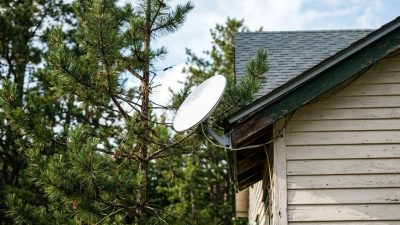
An FCC report credits Starlink with more than 7 million U.S. subscribers, up from the 2 million SpaceX reported to…
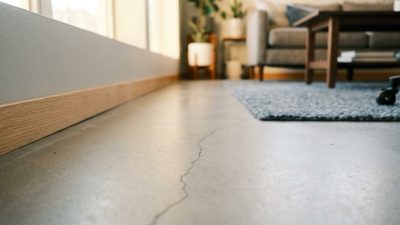
Soil gas can carry both natural radon and man-made solvents or fuel vapors up through the same openings in a…
Missouri says a $700 radon quote can be normal, while Minnesota treats a price that low as a warning sign…
Researchers walking 38 routes across New York City found that half of measured exposure came from towers talking to phones…
Lead from burned pre-1978 houses settles in the top inch or two of soil and stays there. The EPA screens…
Outdoors, sun and rain finish a pesticide inside a season. Indoors nothing touches it, so a house keeps every application…
The big green space studies measure what a satellite saw, which cannot tell a park from a golf course. The…
Eight hours at a desk carries a limit an inspector can enforce. Eight hours asleep carries one figure from 1974…
Air quality, mold, EMF, light and water all shape how a house feels and how the people in it feel. Whatever your concern is, the first step is finding out what is there.
Our certified team of environmental professionals and advocates can help.