Nighttime heat is now the dangerous part of a heat wave
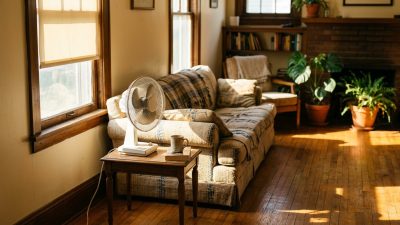
A heat wave becomes most dangerous at night when a bedroom stays above 70 degrees and the body can't recover…


Most environmental risk events don't announce themselves or give much time to think. A heat wave builds over days. A flood can move in an afternoon.
A fire, carried by wind and embers, jumps miles in hours. What separates a close call from a serious loss is less about the size of the event and more about what was already in place before it arrived.
Understanding risk at the level of your own address is a different question from tracking a regional hazard. The same storm touches thousands of homes at once. What happens at yours depends on a much smaller set of things.
Heat, according to the National Weather Service. It receives less attention than more visible disasters, and it consistently leads the annual fatality count.
The body repairs heat stress during cooler hours. When nighttime temperatures stay elevated for several days, that repair cannot happen and the health risk compounds.
Not necessarily. A notable share of flood claims come from outside high-risk zones. Drainage, elevation and local rainfall all affect where water goes.
FEMA puts 1 inch of water inside a home at tens of thousands of dollars, counting flooring, drywall, furniture and appliances.
The immediate surroundings of the structure. Clearing the first 5 feet of combustible material reduces the chance of ignition from embers far more than landscaping farther out.
They find the weakest element first, whether that is a roof edge, a garage door, or a tree positioned to fall toward the structure. Addressing those points beforehand is where preparation pays.
Water for several days, non-perishable food, any medications, a flashlight, a hand-crank or battery radio, and copies of key documents stored somewhere waterproof.
Before anything is forecast. Once an event is underway, most of the actions that would have made a difference are no longer available.
Heat leads the annual fatality count, according to the National Weather Service, and it does it without spectacle. No images of floodwaters. No flames. Just days on end of temperatures your body was never built to manage.
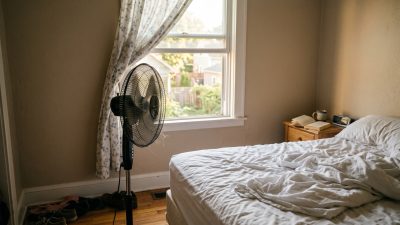
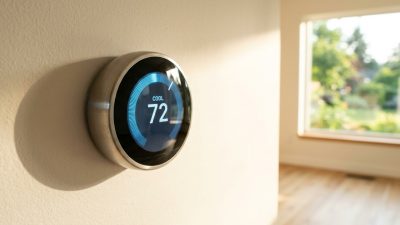
Your overnight low matters as much as the afternoon peak. Your body needs cooler hours to recover from daytime heat, and when those hours never arrive, the strain accumulates instead of resetting. That is why the third day of a heat wave is worse for you than the first, even when the thermometer shows the same number.
Older adults and young children feel this first. The reach is wider than most people expect, because the damage is cumulative rather than dramatic and nothing about it looks like an emergency until it is one.
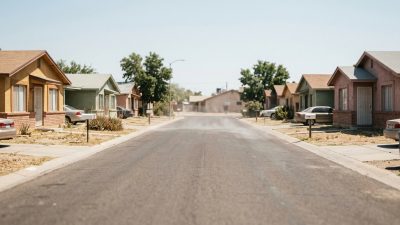
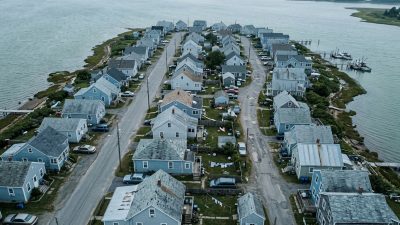
FEMA flood zone maps set insurance pricing. They don't predict water. A notable share of flood insurance claims come from properties outside the designated high-risk zones, because rain-driven flooding follows topography and drainage rather than administrative boundaries, and your lot has its own low corner regardless of which zone it sits in.
One inch of water inside a home causes tens of thousands of dollars in damage, according to FEMA, once flooring, drywall, furniture and appliances are counted.
Heavier rain falling in shorter bursts means flooding now shows up in places with no history of it, which is precisely the situation a map drawn from history handles worst.
Wildfire risk for a home has less to do with how close the trees are and more to do with what surrounds the structure itself. Embers travel well ahead of a fire and ignite in gutters, against fences and under decks.
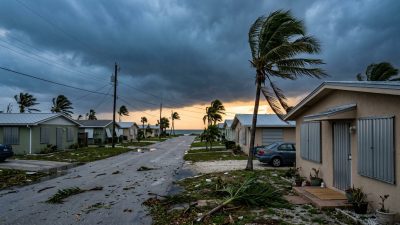
Severe wind works the same way. A failing roof edge, an aging garage door or a large overhanging tree decides whether your house comes through a storm intact while the one beside it does not. None of those are expensive to check.
Both hazards find the weakest point rather than the nearest one. That is why the perimeter of your building earns more attention than the landscape beyond it, and why a house deep in the trees can outlast one on open ground.
Heat planning costs almost nothing. Know in advance where you or a family member would go on the worst days, and check on neighbors who might not ask.
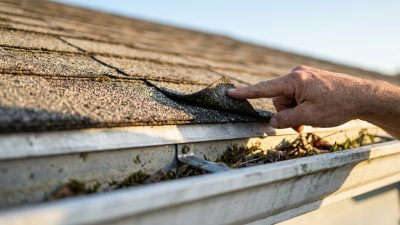
Clear the immediate perimeter of dry vegetation, stored wood and anything else combustible, and keep the gutters clean. If you live in a low-lying area or near water, get documents and irreplaceable things off the floor now rather than later.
Photograph the inside and outside of your home for insurance before anything happens. A battery-powered weather radio stays useful when cell networks go down. Once an event is underway, most of the actions that would have mattered are no longer available to you.
None of this requires a contractor or a weekend. It requires doing it while nothing is happening, which is the only window in which any of it is available to you.
A heat wave becomes most dangerous at night when a bedroom stays above 70 degrees and the body can't recover…
People cancel plans and stay indoors during extreme heat, losing the everyday contact that helps protect health. The Surgeon General…
The federal program behind the National Climate Assessment now answers to an appointee who has publicly criticized climate science. That…
Forecasts can call for a quiet Atlantic year and still miss the storm that reaches your address. Hurricane Andrew remains…
Researchers put the upper edge of safe indoor comfort at 78 degrees, and sustained exposure above 86 is a serious…
An FCC report credits Starlink with more than 7 million U.S. subscribers, up from the 2 million SpaceX reported to…
The federal HeatRisk scale grades outdoor air, but 4 of its 5 levels hinge on whether someone can cool off…
Wind pulls a roof up the way air lifts a wing. Roof damage drives an estimated 70 to 90 percent…
A flood zone answers one question: whether a bank can require coverage. From 2014 to 2024, 29 percent of federal…
Air quality, mold, EMF, light and water all shape how a house feels and how the people in it feel. Whatever your concern is, the first step is finding out what is there.
Our certified team of environmental professionals and advocates can help.