


1 in 3 U.S. households struggled to pay the power bill last year
In 2024, 15.1 million homes had electricity or gas shut off over an unpaid bill, showing how often energy hardship turns into a shutoff. In some regions, data center demand is also pushing prices higher.
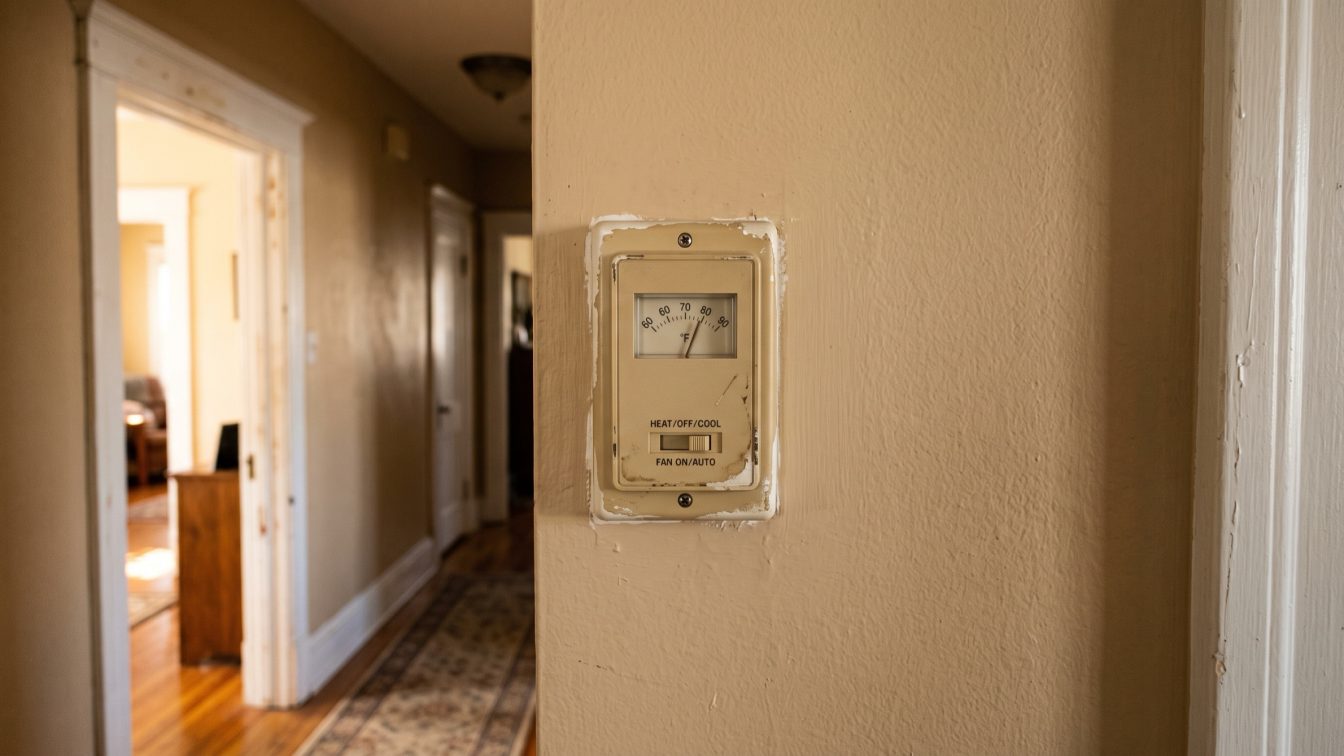
Table of contents
Summary of this article
- Energy prices rose approximately 30% on average from 2021 to 2026, and in the PJM Interconnection region covering the Mid-Atlantic and eastern Midwest, power prices in the first quarter of 2026 ran 76% higher than the same period in 2025, driven largely by data center demand.
- In 2024, one in three American households reported struggling to pay their energy bills, and 15.1 million homes were disconnected from electricity or gas because residents could not pay, according to U.S. Energy Information Administration data cited by The Conversation.
- The Weatherization Assistance Program provides about $370 million a year, serves roughly 32,000 homes, and saves each household an average of $372 in direct energy costs annually, according to the Department of Energy.
- The Low Income Home Energy Assistance Program (LIHEAP) provided about $4 billion in 2025 to help lower-income households afford heating and cooling; President Trump has proposed eliminating its funding in his last two budgets, and Congress has so far preserved it.
- Energy insecurity carries direct health risks, rationed air conditioning during heat, cut spending on food, and the inability to run medical equipment such as an oxygen concentrator, which can add hundreds of dollars a year to a bill.
In 2024, one in three American households struggled to pay an energy bill. That same year, 15.1 million homes had the electricity or gas cut off because nobody could pay, on Energy Information Administration data cited by The Conversation.
Prices are still climbing. Energy costs rose about 30% on average between 2021 and 2026, and harder in places. PJM Interconnection runs the regional grid across the Mid-Atlantic and eastern Midwest. There, first-quarter power prices in 2026 ran 76% above the same period a year earlier. Data center demand drove most of it.
Budget numbers, and health numbers too. An unpaid bill shows up in body temperature, in what a family eats, and in whether a medical device stays powered.
15.1 million disconnections in one year
Energy insecurity means a household cannot reliably meet its energy needs. Millions of American families live there, and rising bills keep adding more.
A 30% average increase over five years compounds on people already stretched. That 76% first-quarter jump shows how fast one driver reaches a residential bill. Here the driver was the electricity appetite of new data centers.
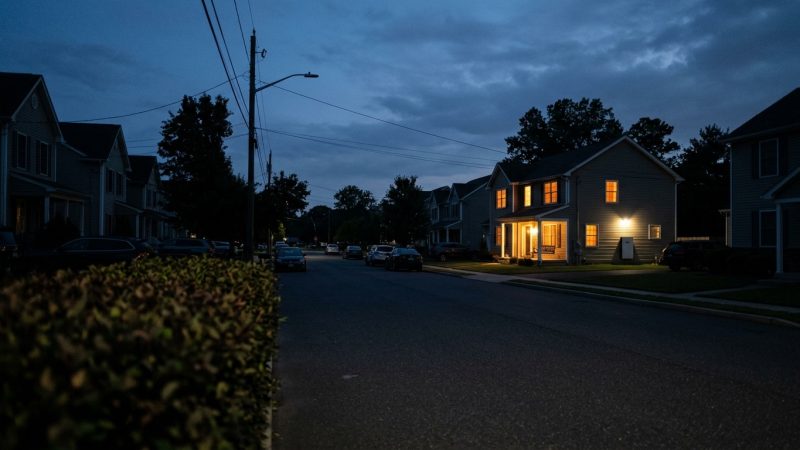
Disconnection is the sharpest measure. Cut power or gas to 15.1 million homes in a single year and the problem has moved past inconvenience. A disconnected home in July has no air conditioning. A disconnected home in January has no heat.
Two federal programs, pulling in opposite directions
One pays the bill. The other shrinks it.
LIHEAP, the Low Income Home Energy Assistance Program, helps lower-income households cover heating in winter and cooling in summer. Congress put about $4 billion into it in 2025, which has historically never been enough to reach everyone who qualifies. Its future is contested: President Trump proposed eliminating the funding entirely in his last two budgets, and Congress has preserved it so far.
Weatherization takes the other route. About $370 million a year seals gaps around windows and doors and adds insulation, reaching roughly 32,000 homes and saving each one an average of $372 a year, by the Department of Energy’s count.
Only one of the two shrinks what the house costs to run. A payment covers this month. Insulation keeps paying back every month after.
States hold the most direct levers
Many bar utilities from cutting off residential customers over unpaid bills. Virginia blocks shutoffs during extreme heat or cold, and Montana restricts them in specific cold-weather months. Pennsylvania protects any household where someone has a certified medical condition that depends on electricity. An oxygen tank is one, and it can add hundreds of dollars a year to a bill by itself.
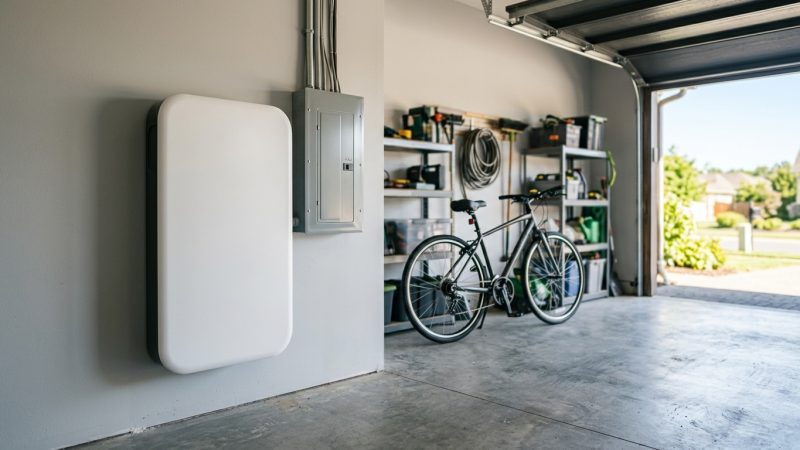
Some states go further and lower the bill directly. Maine weatherizes homes. Illinois helps pay for solar panels or battery storage, and offers gas-bill discounts running from 5% to 84% for many low-income households. Massachusetts makes utilities forgive part of a customer’s debt after a set number of on-time payments.
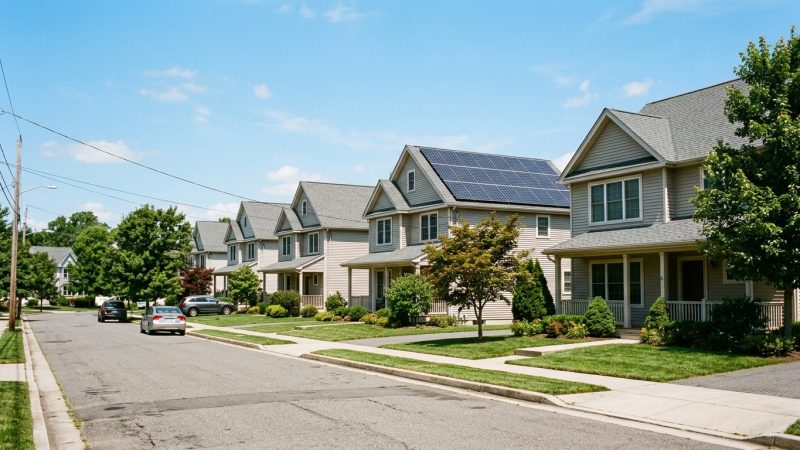
Evidence backs it. A 2025 study found low-income households that had recently installed solar were 44% more likely to say they could pay their energy bills. Local rules block that fix outright in places, and an HOA can ban rooftop solar.
Counties and nonprofits fill gaps, spreading word about assistance and finding the families most at risk. Many run warming and cooling centers, which double as safe places during an outage. New Jersey and some others automatically enroll past-due or disconnected customers into payment plans.
An unaffordable bill is a health hazard
Building biology starts from source control: fix a hazard where it begins, rather than managing damage downstream. An energy bill nobody can pay is a source, and the harm travels three routes.
Heat. Bills climb and households ration air conditioning. Skipping cooling in extreme heat is a hazard, not a preference, and heat illness rises fastest among older adults, infants and people with chronic conditions. Nights are the dangerous part, because a body that never cools down never recovers from the day.
Food. A household budget is fixed. Utility costs rise and families cut somewhere, often groceries. That trade between heating a home and buying fresh food falls hardest on the families already spending the largest share of their income on energy.
Medical equipment. For some homes electricity is life support: an oxygen concentrator, a home dialysis machine, refrigerated medication. The equipment raises the bill, which puts the most medically vulnerable households at the highest risk of a disconnection that could kill them. Pennsylvania writes medical protection into its shutoff rules for exactly that reason.
A number on a utility statement decides whether a home is cooled in a heat wave, whether a family eats well, and whether a machine keeps running. Rising demand from data centers is what put the number there, and a $66.8 billion utility merger is being built on the same forecast.
What you can do
Nobody sets wholesale power prices from their kitchen. You can lower your own bill and claim protections that already exist, and the cheapest move usually returns the most.
Seal the leaks first. Weatherstripping and air sealing around doors, windows and attic gaps cut what a house wastes. The federal program that does this saves $372 a household a year. Ask your state energy office whether you qualify.
Apply for LIHEAP. If your income qualifies, it covers heating and cooling. Apply through your state or local agency before the season you need it, because funding runs out.
Ask your utility about plans and protections. Budget billing spreads cost evenly across the year and softens a peak month. Ask directly about payment plans, debt forgiveness and low-income discount rates in your state.
Register a medical need in writing. Powered medical equipment in the house can qualify you for medical-priority or shutoff-protection status. Most states require the paperwork in advance, not during the emergency.
Know your shutoff rules. Find out whether your state blocks disconnection during extreme heat or cold. That tells you what protection you already have on the days most likely to hurt you.
Find your nearest cooling or warming center now. Before the heat wave, not during it, especially if anyone in the house is vulnerable to heat or cold.
Invest in efficiency where you can. Efficient appliances, an insulated water heater, clean HVAC filters, and solar or storage if they are within reach all cut the baseline a price spike multiplies.
A 30% price climb, a 76% regional surge, 15.1 million disconnections. None of that is set by any one household. What happens next partly is: LIHEAP pays a bill, weatherization shrinks it, and state rules keep the power on through the weather most likely to harm you.
Sources
- The Conversation. Energy costs are high and unaffordable, what utilities, governments, communities and you can do to help save consumers money :
- U.S. Department of Health and Human Services, Low Income Home Energy Assistance Program (LIHEAP):
- U.S. Department of Energy, Weatherization Assistance Program:
- U.S. Energy Information Administration, Residential Energy Consumption Survey (2024) and household energy data:
- Federal Energy Regulatory Commission, PJM electric power markets:
- U.S. Department of Energy, home weatherization and energy efficiency
- Centers for Disease Control and Prevention, heat and health risk:
Questions people ask
How bad is the energy affordability crisis?
In 2024, one in three American households reported struggling to pay their energy bills, and 15.1 million homes were disconnected from electricity or gas for nonpayment, according to U.S. Energy Information Administration data cited by The Conversation. Energy prices rose about 30% on average from 2021 to 2026, and in the PJM Interconnection region, first-quarter 2026 power prices ran 76% higher than a year earlier, driven largely by data center demand.
What is the difference between LIHEAP and the Weatherization Assistance Program?
LIHEAP, the Low Income Home Energy Assistance Program, pays part of a household's energy bill, about $4 billion was provided in 2025 for heating and cooling. The Weatherization Assistance Program instead lowers the bill by sealing gaps and adding insulation; it provides about $370 million a year, serves roughly 32,000 homes, and saves each an average of $372 annually, according to the Department of Energy. LIHEAP is a payment; weatherization is a lasting reduction.
What protections do states offer against shutoffs?
Many states bar utilities from disconnecting customers during extreme weather or specific months. Virginia prohibits shutoffs in extreme heat or cold; Montana restricts them in cold-weather months; Pennsylvania blocks a shutoff if someone in the home has a certified medical condition requiring electricity, such as an oxygen tank. Some states, like New Jersey, automatically enroll past-due customers into payment plans.
How does an unaffordable energy bill affect health?
Through three pathways. When bills climb, households ration air conditioning, raising heat-illness risk for older adults, infants, and people with chronic conditions, with the greatest danger at night when the body cannot recover from daytime heat. Families cut spending on nutritious food. And homes that depend on powered medical equipment, like oxygen concentrators, face the highest risk from a disconnection.
What is the single most cost-effective step I can take?
Weatherization. Sealing gaps around windows and doors and adding insulation is source control, it cuts the energy your home wastes before you pay for it. The federal Weatherization Assistance Program saves participating households an average of $372 a year, and a 2025 study found low-income households with residential solar were 44% more likely to afford their bills. Check your state energy office for eligibility.
Have questions about the environment inside your home?
Air quality, mold, EMF, light and water all shape how a house feels and how the people in it feel. Whatever your concern is, the first step is finding out what is there.
Our certified team of environmental professionals and advocates can help.