


Swapping gas stoves for induction cut asthma ER visits in Cleveland homes
In 72 households where asthma was poorly controlled, replacing gas stoves with induction cut nitrogen dioxide and reduced emergency visits from 10 people to 3. Asthma control scores also improved.
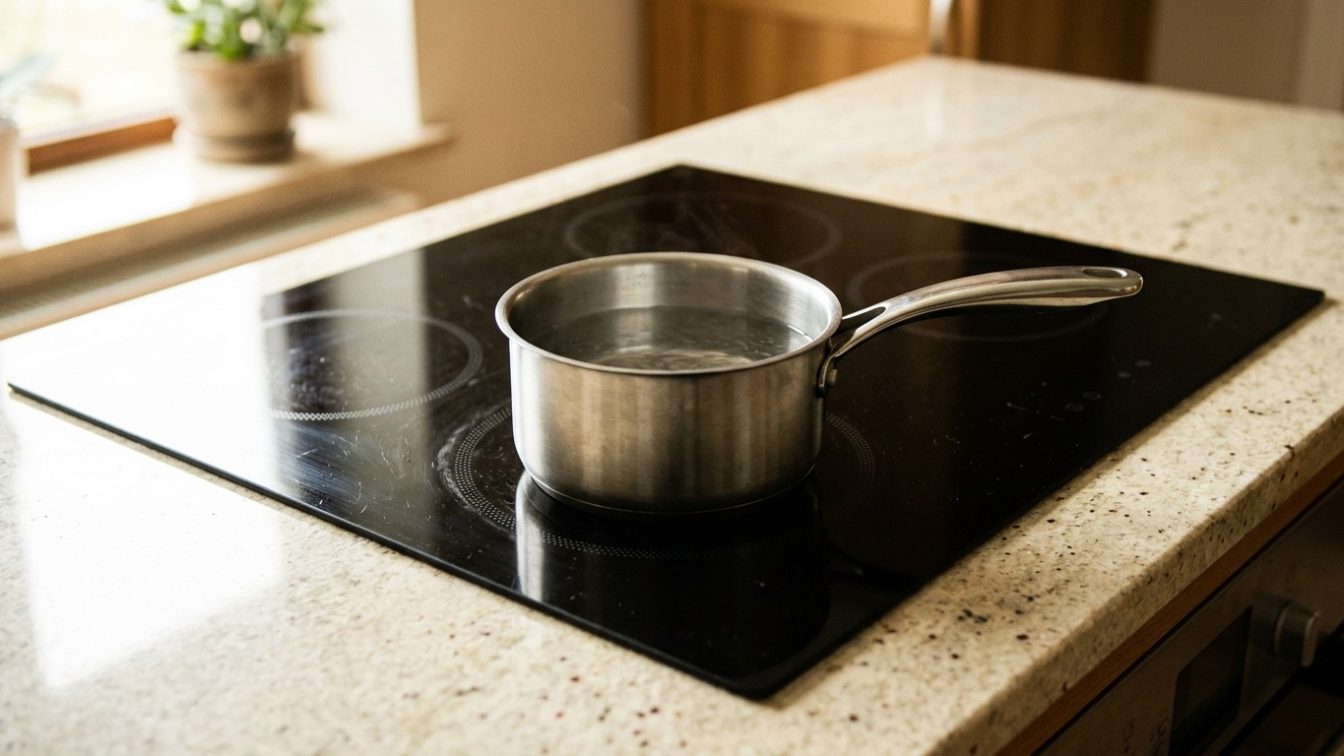
Table of contents
Summary of this article
- A Cleveland team replaced gas ranges with induction hobs in 72 households where asthma was poorly controlled, funding the appliances and the wiring behind them.
- Kitchen nitrogen dioxide fell from 21 parts per billion to 6.3, measured across 44 homes.
- Asthma control scores moved from 2.6 to 1.5, roughly moderate symptoms down to mild. Researchers said the results matched or exceeded what trials of ordinary asthma medication produce.
- Emergency visits and hospitalizations fell 70 percent, from 10 people out of 85 to 3. That is a real drop resting on seven people in one city over a few months.
- Missed days of work and school dropped about 80 percent.
- A gas burner releases nitrogen dioxide straight into the room. A recirculating hood does nothing for it, because charcoal handles grease and smell rather than a gas.
- 98 percent of participants said they were satisfied or better with induction, against 41 percent for the gas stove they had before.
- The free half does not depend on the appliance: run a hood that vents outside every time, cook on the back burners, and find out what the electrical panel can carry.
A research team in Cleveland removed the gas range from 72 households, capped the line, ran new wire, and installed an induction hob in the gap. Everyone in those homes had asthma that nobody had managed to control, which is the only reason a study was willing to fund 72 new stoves and the wiring behind them.
Nitrogen dioxide in those kitchens fell from 21 parts per billion to 6.3, measured across 44 of them. Asthma control scores moved from 2.6 to 1.5, roughly moderate symptoms down to mild. The researchers reported that their results matched or exceeded what clinical trials of ordinary asthma medication produce.
Here is what the study measured, what the headline number rests on, and what a household can do this week regardless of the appliance.
The mechanism is not in dispute
A gas burner releases nitrogen dioxide directly into the room every time a flame is lit. There is no chimney, no stack and no filter between the burner and whoever is standing at it.
A range hood helps only where it vents outside, and many do not. A recirculating hood pulls air through charcoal and returns it to the kitchen, which handles grease and smell and does nothing at all for a gas.
Gas burns, combustion produces nitrogen dioxide, and kitchens are small rooms. The American Lung Association classifies it as an airway irritant, and 28 million Americans with asthma meet it on lungs already reacting to other things.
Cooking fuel is more regional than most people assume. About half of Western households cook with gas, roughly half in the Northeast, against a quarter in the South. Electricity already leads nationally, in 74.9 million homes.
The 70 percent figure rests on seven people
Emergency room visits and hospitalizations fell 70 percent. Missed days of work and school dropped about 80 percent.
Both are real, and the first needs its denominator stated. Ten people out of 85 went to hospital in the year before the swap. Three went after. That is a genuine 70 percent drop resting on seven people, in one city, over a few months.
One of those numbers sounds like a public health program. The other sounds like what it is: a promising early result in a small group in a single city.
The lead researcher’s own position is that a larger trial with a comparison group and long follow-up is needed to confirm it.
Why the finding still carries weight
An early result is not automatically a weak one. Three things hold here regardless of sample size.
The mechanism is not contested. The nitrogen dioxide measurement was direct rather than modelled. And what was measured actually changed, in the expected direction. Stoves are one indoor source among several, and a bundle of home changes cut a child’s symptom days by 21.
Participant response was lopsided in a way worth noting: 98 percent said they were satisfied or better with induction, against 41 percent for the gas stove they had before.
A small study can show direction. It cannot tell you the size of the effect in any particular kitchen.
Who this applies to
People with poorly controlled asthma who cook on gas, which is exactly the group the study was run on.
That is narrower than the coverage of this study suggested, and it is what the evidence supports. Mild or well-managed asthma, healthy lungs, and kitchens with a working ducted hood were not tested here.
A policy version has already run. Between 2015 and 2021 Ecuador subsidised 750,000 households, about a tenth of the country, to swap gas for induction. The study authors point at it when suggesting insurers or governments might fund the same swap for patients who keep ending up in hospital.
Whether that reaches an American household is not something anyone can promise. The question costs nothing to ask, and the answer keeps changing.
The free half, whatever you decide about the appliance
Nothing in this result argues for waiting on a larger trial.
Run the hood, every time, on high, and only if it vents outside. That is the largest available change short of replacing anything.
Cook on the back burners, which sit closer to the extraction point on most hoods.
Ask an electrician what the panel can carry, before the question is urgent. That answer determines whether an induction swap is a $7,000 upgrade or a straightforward one.
The first two cost nothing and are available to everyone. That is more than can be said for a new appliance.
Sources
- The Journal of Allergy and Clinical Immunology: In Practice. Asthma Control Before and After Changing Gas Stoves to Electric Stoves (2026)
- The Conversation. Replacing gas stoves with electric stoves greatly reduces asthma symptoms, written by the study authors (2026)
- Healio. Switch from gas to electric stoves improves asthma control in patients with poor control (2026)
- US EPA. NAAQS Table (2026)
- US EIA. Residential Energy Consumption Survey (2026)
Questions people ask
What did the study actually measure?
Nitrogen dioxide in 44 kitchens before and after replacing a gas range with induction, alongside asthma control scores, missed days of work and school, and hospital visits across 72 households where asthma was poorly controlled.
How much did kitchen air change?
Nitrogen dioxide fell from 21 parts per billion to 6.3. Asthma control scores moved from 2.6 to 1.5, roughly moderate symptoms down to mild.
Is the 70 percent drop in hospital visits reliable?
It is real and it is small. Ten people out of 85 went to hospital in the year before, and three afterwards. A 70 percent reduction resting on seven people in one city over a few months is a promising early result rather than a public health finding.
Why does a gas stove produce nitrogen dioxide?
Combustion produces it, and a burner vents directly into the room. There is no chimney, stack or filter between the flame and whoever is standing at the stove.
Does a range hood fix it?
Only if it vents outside. A recirculating hood pulls air through charcoal and returns it to the kitchen, which addresses grease and smell and does nothing for a gas.
Who does this evidence apply to?
People with poorly controlled asthma who cook on gas, which is the group the study enrolled. Mild or well-managed asthma, healthy lungs, and kitchens with a working ducted hood were not tested.
Has anyone tried this at scale?
Ecuador subsidised 750,000 households, about a tenth of the country, to swap gas for induction between 2015 and 2021. The study authors cite it when suggesting insurers or governments might fund the same swap for patients repeatedly hospitalised.
What can I do without replacing anything?
Run a hood that vents outside every time, on high. Cook on the back burners, which sit closer to the extraction point on most hoods. Ask an electrician what your panel can carry before the question becomes urgent.

Have questions about the environment inside your home?
Air quality, mold, EMF, light and water all shape how a house feels and how the people in it feel. Whatever your concern is, the first step is finding out what is there.
Our certified team of environmental professionals and advocates can help.