


A single cup of river water can reveal otters, turtles, and human pathogens
Every organism leaves DNA in the water it moves through, and one set of river samples picked up wildlife, humans, and pathogens at the same time. That makes a small sample a broad biological readout.
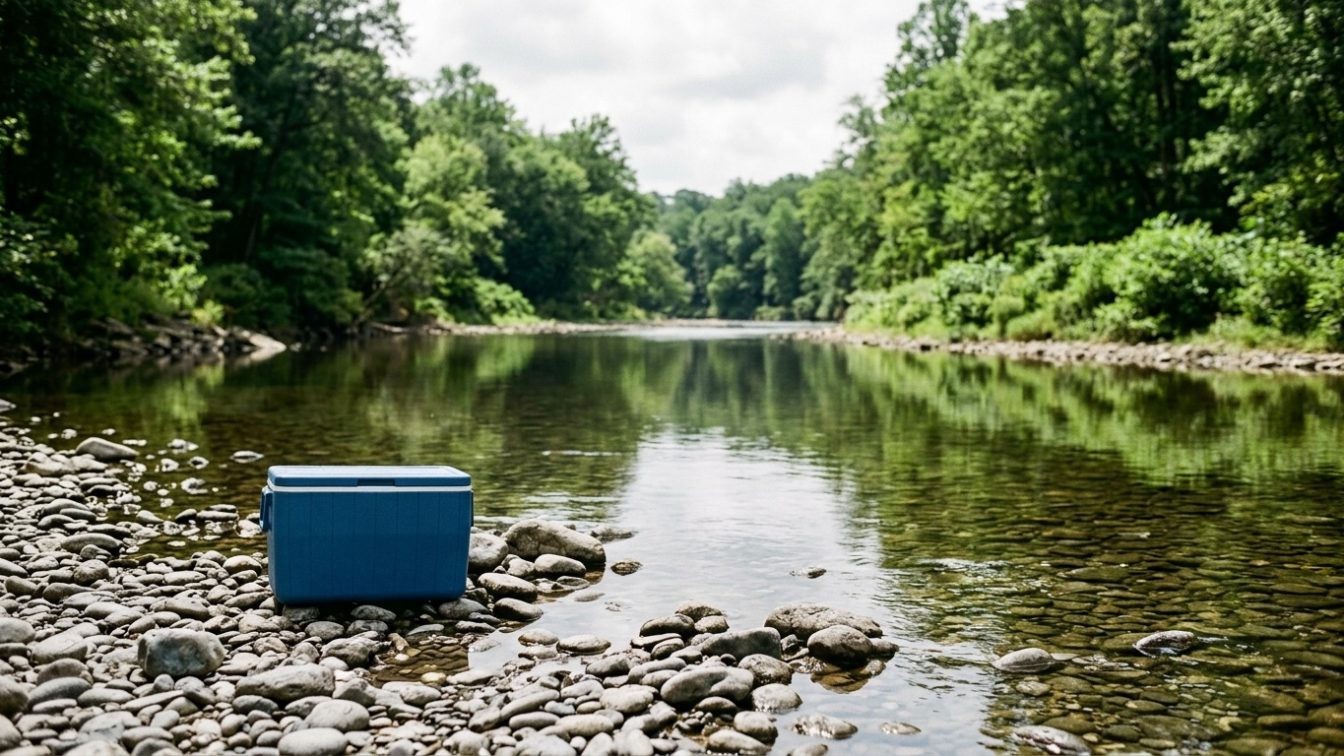
Table of contents
Summary of this article
- One cup of water can identify hundreds of species at once. Every organism sheds DNA into its environment, and researchers can now read all of it from a single sample, according to the Duffy Lab at the University of Florida.
- The Avoca River study detected wildlife, humans, and pathogens together. Water samples from Ireland's Avoca River revealed otters, foxes, badgers, oysters, leatherback turtles, and octopi, alongside pathogens including streptococcus, entamoeba, chlamydia, herpes, and gonorrhea, published in NAR Genomics and Bioinformatics.
- Human DNA exposed untreated sewage, then confirmed the fix. Samples near Arklow in 2022 showed high human DNA consistent with untreated wastewater. By 2024, after the Arklow Wastewater Treatment Plant opened, that signal had practically disappeared.
- The study recorded a frog-killing fungus in Ireland for the first time. Researchers detected Batrachochytrium dendrobatidis, a fungus tied to catastrophic amphibian declines worldwide, marking its first detection in Ireland.
- eDNA enables "One Health" monitoring. A single sample can track wildlife, pollution sources, and disease reservoirs at once, an approach the World Health Organization calls One Health.
A single cup of river water contains enough genetic information to identify hundreds of species at once. Otters and oysters. Foxes and fish. Badgers and bacteria. And, in the same sample, human pathogens like streptococcus, chlamydia, herpes, and gonorrhea.
That is the finding from a team at the Duffy Lab at the University of Florida, which collected water from the Avoca River in Ireland and published the results in NAR Genomics and Bioinformatics. Their work shows that environmental DNA, the genetic material every living thing sheds into its surroundings, can track wildlife, monitor pollution, and survey disease all at the same time.
For anyone who cares about the health of a local waterway, a pet that swims in it, or a family that plays along its banks, the implications are direct. A tool once reserved for tracking endangered species now doubles as an early-warning system for pollution and pathogens.
What environmental DNA is
DNA sits inside every cell of every plant, animal, fungus, and microbe. It carries the instructions for that organism’s survival and growth, and each species carries a unique version of it.
Organisms leave traces of that DNA everywhere they go. Skin cells shed into water. Pollen and spores blow on the wind. A cough or a sneeze scatters genetic material into the air. Scientists call this environmental DNA, or eDNA, and it holds a large amount of information about what has passed through an area.
The advantage over older methods is significant. Traditional wildlife monitoring means field observation or trapping, difficult, intrusive, and time-consuming. Tracking an elusive animal can take hours or days without a single sighting, often in remote terrain. Trapping stresses the animals and requires expert handling.
With eDNA, researchers never need to see or touch the animal. A cup of water, a few ounces of sand, or air pulled through a filter can hold enough DNA to reveal what has been in the area, including people, wildlife, and pathogens.
How scientists read the DNA
The method matters, because it determines how much you can learn from one sample.
Until recently, researchers relied on a technique called metabarcoding. It makes many copies of short, specific genetic markers, regions of DNA called barcodes, to identify particular species. Metabarcoding is powerful, but it is selective by design. It finds only what it is built to find and ignores everything else. Because the fragments are so short, they are hard to link, and a single barcode cannot cover every species in an area or reveal genetic traits.
The Duffy Lab took a different route. The team used long-read shotgun metagenomic DNA sequencing, which reads each DNA fragment in long, continuous sections. Because all the DNA in one long fragment comes from the same individual, the method can sequence genetic material from every species in a sample, from viruses to vertebrates and everything between.
The name describes the process. The “shotgun” portion refers to how the DNA is fragmented, read in stretches, and then reassembled, a random breakup that resembles the spread of a shotgun blast. Compared with metabarcoding, shotgun sequencing is faster and requires less lab handling.
By comparing the results against large reference genome databases, researchers can figure out which species each fragment came from. In a single assessment, the method detects microbes, fungi, plants, and animals in as little as 24 hours. Rather than testing for one target species, it produces a broad snapshot of an entire ecological community.
The Avoca River, from mountain source to sea
To test the method, the team collected water samples along Ireland’s Avoca River, starting near its source in the Wicklow Mountains and following it down to where it meets the Irish Sea at Arklow town. They also gathered sand from beaches near the river mouth.
The samples held a remarkable range of life. The DNA came from otters and oysters, foxes and fish, badgers and bacteria. Some species were common and easy to spot along the river, cows, sheep, dogs, and humans. Others were harder to see, including leatherback turtles and octopi. Some required a magnifying glass: biting midges, microscopic worms, and viruses.
The DNA revealed more than a species list. It also carried clues about origins. The blue mussel DNA recovered near the river mouth most closely matched mussels off the coast of Wales, at 84%, and France, at 16%, showing how eDNA can trace where organisms come from and how they disperse. The same water carries what pollutes it, and toxic algae now coats more than half of Lake Okeechobee.
How the water exposed hidden sewage
The most striking result came from tracking human DNA.
Upstream, in a sparsely populated area, the samples held very little human DNA. Near the town of Arklow in 2022, the picture changed sharply. Those samples contained high levels of human DNA, consistent with untreated wastewater entering the river at that time.
The eDNA acted as a pollution signal. It flagged a contamination source without anyone inspecting pipes or outfalls directly. And it captured the cleanup, too. When the team returned in 2024, the human DNA signal had practically disappeared. The change coincided with new pipework leading to the Arklow Wastewater Treatment Plant, which diverted human waste away from the river.
That before-and-after is a clear demonstration of source control. A community removed the source of contamination, and a cup of river water confirmed the result. For a building-biology mindset, fix the problem where it starts rather than filter it at the end, eDNA offers a way to verify that the fix actually worked.
The pathogens in the water and sand
The samples also carried disease-causing organisms, in both river water and beach sand. These included bacteria such as streptococcus, parasites such as entamoeba, and sexually transmitted pathogens including chlamydia, herpes, and gonorrhea.
That matters for exposure. People and pets come into direct contact with river water and beach sand. Children dig in it. Dogs swim and drink from it. Knowing which pathogens are present, and where, turns an invisible risk into a measurable one that communities can act on.
The study carried an animal-health finding as well. The team detected Batrachochytrium dendrobatidis, a fungus responsible for catastrophic frog declines around the world. It was the first time researchers recorded the fungus in Ireland. They also found Leptosphaeria maculans, a fungus that damages crops. Both detections show how eDNA can catch threats to wildlife and agriculture early, before they become visible through dying animals or failing harvests.
One sample, One Health
The ability to read wildlife, human activity, and pathogens from a single water sample points to what the World Health Organization calls a One Health approach, the idea that human, animal, and environmental health are connected and best monitored together.
In principle, eDNA can identify pollution sources and emerging pathogens, track invasive species, and monitor environmental reservoirs of disease, close to real time. Instead of separate surveys run through the separate lenses of zoology, botany, microbiology, and epidemiology, eDNA acts as a continuous genomic observatory that watches all of them at once.
This approach keeps getting easier. DNA sequencing costs continue to fall, according to the National Human Genome Research Institute. Technology now reads longer DNA fragments, and computing power keeps improving. Together, those trends make all-in-one ecosystem monitoring more practical every year.
What this means for you
The practical value of eDNA is that it turns a waterway’s hidden condition into readable data. A cup of water can tell you which wildlife lives in a river, whether sewage is leaking into it, and which pathogens are present in the water and sand where people and pets spend time.
For animal and pet health, that early warning is real. The Avoca River study caught a frog-killing fungus that no one had recorded in Ireland before, and it mapped pathogens across water and beach sand where dogs swim and children play. For pollution, the human-DNA signal near Arklow shows how eDNA can pinpoint a contamination source and then confirm that a treatment plant fixed it.
The larger lesson fits the building-biology principle of source control. You cannot manage what you cannot measure. Environmental DNA measures more, from a smaller sample, faster than the tools that came before it, and it does so without trapping a single animal. As sequencing costs keep falling, a single cup of water may become one of the most efficient health checks a community can run on its own water.
Sources
Questions people ask
What is environmental DNA, or eDNA?
Environmental DNA is genetic material that organisms shed into their surroundings, through skin cells, spores, pollen, or even a cough. Because each species has unique DNA, researchers can collect a cup of water, sand, or filtered air and identify what has been in the area, including wildlife, people, and pathogens.
How can one cup of water reveal so many species?
The Duffy Lab at the University of Florida used long-read shotgun metagenomic sequencing, which reads each DNA fragment in long, continuous sections and captures genetic material from every species at once, from viruses to vertebrates. Compared against reference databases, it can detect microbes, fungi, plants, and animals in as little as 24 hours.
What did the Avoca River study find?
Samples from Ireland's Avoca River revealed otters, foxes, badgers, oysters, leatherback turtles, and octopi, alongside humans, dogs, and sheep. They also carried pathogens including streptococcus, entamoeba, chlamydia, herpes, and gonorrhea in river water and beach sand, published in NAR Genomics and Bioinformatics.
How did eDNA detect sewage pollution?
Near Arklow in 2022, samples showed high levels of human DNA, consistent with untreated wastewater entering the river. When researchers returned in 2024, after the Arklow Wastewater Treatment Plant opened and diverted the waste, that human DNA signal had practically disappeared, confirming the cleanup worked.
Why does the frog-killing fungus matter?
The team detected Batrachochytrium dendrobatidis, a fungus tied to catastrophic frog declines worldwide, for the first time in Ireland. Catching such a threat early, through a water sample rather than dying animals, gives communities a chance to respond before wildlife populations collapse.
What is a One Health approach?
One Health, as defined by the World Health Organization, treats human, animal, and environmental health as connected and monitors them together. eDNA supports this by identifying pollution sources, emerging pathogens, invasive species, and disease reservoirs from a single sample, close to real time.
Have questions about the environment inside your home?
Air quality, mold, EMF, light and water all shape how a house feels and how the people in it feel. Whatever your concern is, the first step is finding out what is there.
Our certified team of environmental professionals and advocates can help.