


California is making electricity from ocean waves, and the waves never stop
Solar quits at night. Wind dies on calm days. Waves keep rolling in, and the more power they send to the grid, the less a coastal gas plant has to burn.
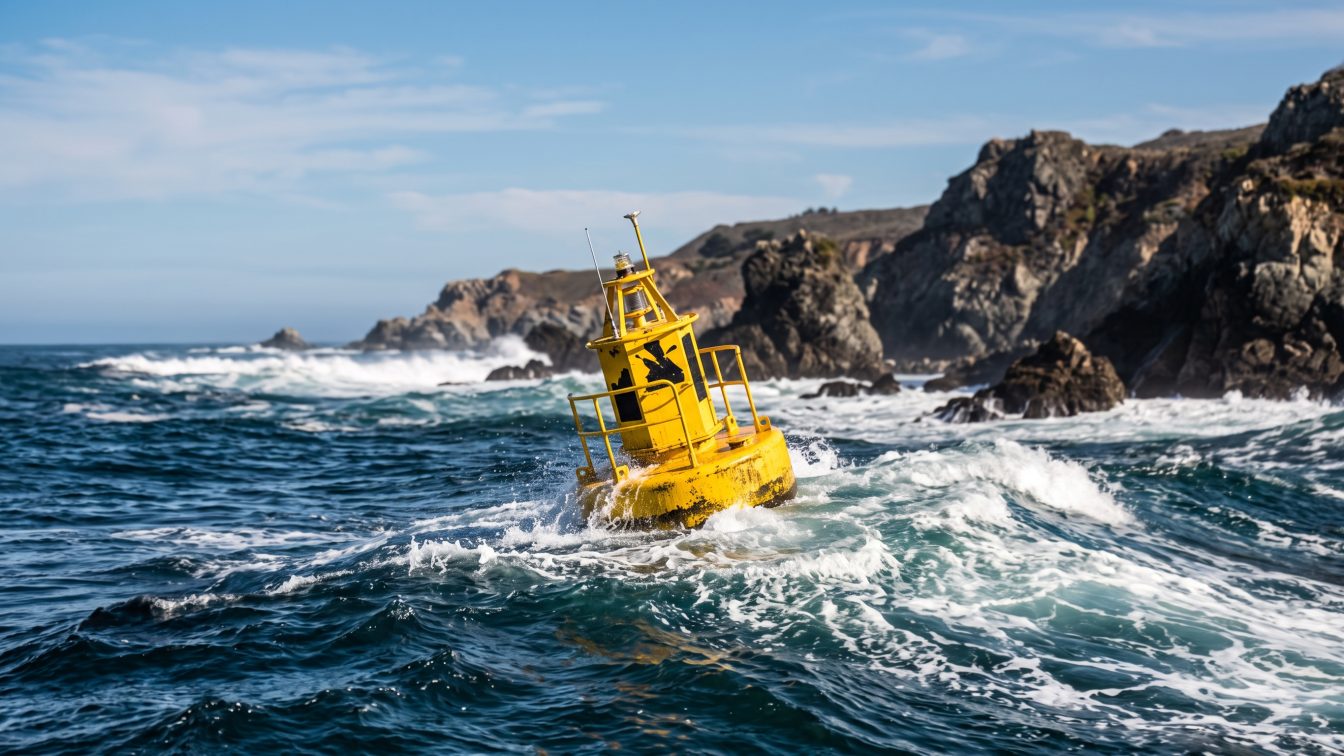
Table of contents
Summary of this article
- A California clean energy program converts the motion of ocean waves into renewable electricity, generating power with zero tailpipe emissions at the point of generation, NBC News reported on November 5, 2025.
- Wave energy is among the most consistent renewable resources available, because ocean waves move continuously, day and night, unlike solar power at night or wind on calm days.
- Coastal communities carry an elevated combustion-pollution burden from port diesel, ships idling at berth, freight trucks, and fossil-fuel power plants often sited near the water, all sources of fine particulate matter (PM2.5) and nitrogen oxides (NOx).
- Every unit of electricity a wave device generates displaces a unit a fossil-fuel plant would otherwise burn; the EPA's annual health-based standard for PM2.5 is 9 micrograms per cubic meter of air.
- Wave energy replaces pollution at the source rather than filtering it afterward, and its consistency makes it a candidate for baseload clean power as the grid faces rising demand.
The ocean never stops moving, and a California clean energy program is now pulling electricity out of that motion, NBC News reported on November 5, 2025.
A wave energy device burns no fuel. It puts out zero tailpipe emissions at the spot where the electricity gets made. That sets it apart from the diesel generators, gas plants, and older fossil-fuel stations feeding much of the power along the American coast today.
Coastal air is not clean by default. Ports, cargo ships, freight trucks, and waterfront power plants pack combustion pollution into the same shoreline where those waves get captured.
How wave energy makes power
Ocean waves rise and fall in a steady rhythm. A wave energy device rides that movement: a floating buoy that bobs on the surface, an oscillating column that pushes air through a turbine, or a hinged flap that flexes with the swell. The motion turns a generator. The generator makes electricity. Nothing gets burned, and no exhaust comes out.
Now look at the alternative. A diesel generator burns fuel, spins a shaft, and vents combustion gases. A natural gas plant does the same thing, just bigger. Burning fuel makes power, and it makes pollution. A wave device pulls its energy straight from the moving water, so there’s no fuel and no smokestack.
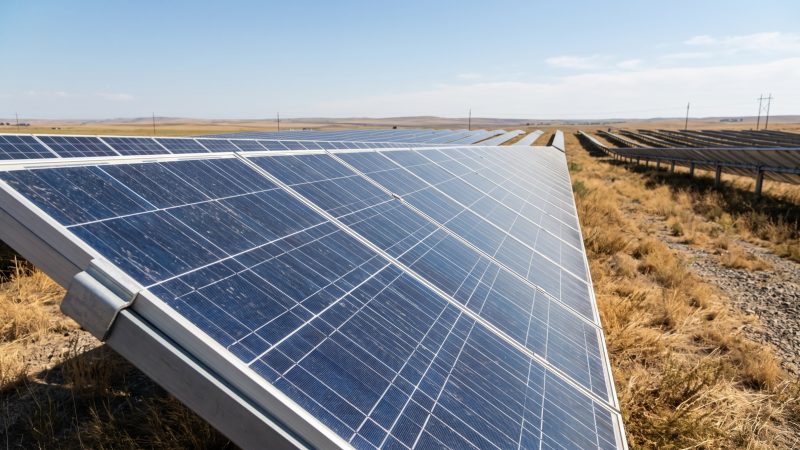
Waves also keep going when other clean sources quit. Solar panels stop at night. Wind turbines sit idle on calm days. Ocean waves move around the clock, pushed by wind and tides that don’t shut off. That steadiness makes wave power a candidate for the round-the-clock baseload a grid needs, instead of the on-again, off-again supply that has to lean on backup.
Why the air near the water is worse
Source control means stopping pollution where it starts instead of chasing it after it spreads. The coast is one of the hardest places to do that, because so many fuel-burning sources sit crammed into a thin strip along the water.
Ports and ships put out a heavy load. A large container ship tied up at the dock runs auxiliary engines that can burn fuel like a small power plant, throwing off diesel exhaust for the hours or days it sits there. Stack that up across a busy port, and the diesel adds up fast. California’s ports, including Los Angeles and Long Beach, move a major share of the country’s cargo.
Then the cargo moves inland. Diesel trucks haul it along routes that cut through coastal neighborhoods, dragging the exhaust well past the waterline. Back at the terminals, cranes, forklifts, and yard trucks run mostly on diesel too, and their fumes settle into the blocks closest to the water.
Waterfront power plants add to it. Fossil-fuel stations often sit near the coast for cooling water and fuel deliveries. They burn gas or oil and vent the pollution straight into the air over those same neighborhoods.
Two pollutants do the direct damage to your lungs. Fine particulate matter, or PM2.5, is small enough to slip past your body’s defenses and lodge deep in the lungs. The EPA links PM2.5 to asthma attacks, heart disease, and early death. Nitrogen oxides, or NOx, form when fuel burns hot; they irritate your airways, worsen asthma, and cook in sunlight into ground-level ozone.
The numbers the EPA sets
The EPA’s annual health-based limit for PM2.5 is 9 micrograms per cubic meter of air. The agency lowered it from 12 in 2024. That’s the line for the fine-particle pollution diesel and combustion throw off. For nitrogen dioxide, the EPA sets a 1-hour health standard of 100 parts per billion.
How close you live decides how much you breathe. People within 300 to 500 feet of a major road, a port, or a freight corridor take in far more PM2.5 and NOx than people farther back. Most families can’t pick up and move, so the kind of power feeding their coast lands on them directly.
How wave power cuts the exhaust
Every kilowatt-hour a wave device makes is a kilowatt-hour a fossil-fuel plant doesn’t have to burn. The grid has to meet demand from somewhere at any given moment. When a clean source covers part of it, a combustion source covers less, and the PM2.5 and NOx that plant would have released never enter the air.
That’s source control at its plainest. There’s no filter to change and no exhaust to dilute, because the fuel simply doesn’t get burned. A wave farm feeding the coastal grid takes over some of the waterfront gas plant’s output during the hours it runs, and the air over those homes carries less.
Location stacks another benefit on top. Wave power gets made right where coastal demand piles up, along the shoreline, near the ports and cities using the most electricity. Power made where it’s used skips the losses of shipping electricity long distances, and it pushes aside the combustion plants sitting closest to the people breathing their fumes.
Scale is still an open question. Wave energy is newer than solar or wind and earlier in its rollout. But because it runs around the clock, it can fill a slot the on-and-off renewables can’t. As demand climbs from electrification, new industry, and data centers, a clean source that never stops becomes a candidate to replace the fossil-fuel baseload plants running nonstop today. Take one of those offline for good, and the coastal pollution load drops with it.
What you can do
You can’t build a wave farm. You can measure the air you breathe, cut your exposure, and back the shift to clean power where the decisions get made.
Know your distance to a source. If you live within 300 to 500 feet of a port, a freight corridor, or a waterfront power plant, treat that as a high-exposure zone. Distance drives your exposure to diesel and combustion pollution more than anything else.
Track your local air against the limit. Check the EPA’s AirNow data or run a home PM2.5 monitor, and hold your readings up against the 9 micrograms per cubic meter annual standard. Readings that stay above it point to a problem worth acting on.
Filter the air indoors. A portable air cleaner with a HEPA filter cuts indoor PM2.5. For the whole house, a MERV-13 filter in a central HVAC system catches fine particles room to room.
Keep the pollution outside. Shut the windows on the side facing a port, road, or power plant during heavy activity, and seal gaps around the doors and windows that face the source.
Push for anti-idling and shore-power rules. If you live near a port, ask local officials about shore-power rules that let docked ships shut off their diesel engines, and about idling limits for trucks and cargo equipment. Both are enforceable steps.
Back clean power in your own choices. Where your utility offers a renewable option, or where local decisions favor clean coastal generation over new fossil-fuel plants, that support means less combustion in the air you breathe.
California is turning the steady motion of the ocean into electricity that burns nothing and emits nothing where it’s made. For the coastal communities carrying the heaviest combustion-pollution load in the country, the payoff is direct: every wave turned into power is fuel not burned, and PM2.5 and NOx that never reach the air near their homes.
Sources
- NBC News. Clean energy program in California turns waves into renewable energy (2025) (Nov. 5, 2025):
- U.S. Department of Energy, Water Power Technologies Office, marine and wave energy:
- EPA, Particulate Matter (PM2.5) basics and health effects:
- EPA, Final Reconsideration of the National Ambient Air Quality Standards for Particulate Matter (2024):
- EPA, Basic information about NO2 (nitrogen dioxide) and health:
- EPA, National Ambient Air Quality Standards (NAAQS) table:
- EPA, Ports Initiative and shore power technology:
- EPA, AirNow real-time air quality data:
- EPA, Research on near-roadway and near-source air pollution:
Questions people ask
What did NBC News report about wave energy in California?
NBC News reported on November 5, 2025, on a California clean energy program that converts the motion of ocean waves into renewable electricity. The technology generates power with zero tailpipe emissions at the point of generation, distinguishing it from diesel generators and fossil-fuel power plants that burn fuel to make electricity.
How does wave energy actually make electricity?
A wave energy device, such as a floating buoy, an oscillating water column, or a hinged flap, captures the up-and-down or back-and-forth motion of ocean waves. That motion drives a generator, which produces electricity. Nothing is combusted and no exhaust is released, because the device converts the kinetic energy already present in the moving water rather than burning fuel.
Why is wave energy considered more reliable than solar or wind?
Because ocean waves move continuously. Solar panels stop generating at night, and wind turbines idle on calm days, but waves are driven by wind patterns and tides that do not shut off. That around-the-clock consistency makes wave energy a candidate for steady baseload power rather than the intermittent supply that requires backup generation.
How does wave energy affect the air near coastal communities?
Coastal areas carry a heavy combustion-pollution load from port diesel, ships idling at berth, freight trucks, and waterfront power plants, all sources of fine particulate matter (PM2.5) and nitrogen oxides (NOx). Every kilowatt-hour a wave device generates displaces one a fossil-fuel plant would have burned, so the pollution that plant would have released is never produced. The EPA's annual PM2.5 standard is 9 micrograms per cubic meter.
What can I do to reduce my exposure to coastal air pollution?
Know your distance to ports, freight corridors, and power plants, within 300 to 500 feet is an elevated-exposure zone. Track local air with EPA AirNow data or a home monitor against the 9 micrograms per cubic meter PM2.5 standard. Use a HEPA air cleaner indoors and a MERV-13 filter in central HVAC, keep windows closed on the source-facing side, and push local officials for shore-power and anti-idling rules near ports.

Have questions about the environment inside your home?
Air quality, mold, EMF, light and water all shape how a house feels and how the people in it feel. Whatever your concern is, the first step is finding out what is there.
Our certified team of environmental professionals and advocates can help.