


Federal rule says habitat destruction is no longer harm under the ESA
The Interior Department removed habitat destruction from the Endangered Species Act's definition of harm in July 2026, reversing what courts had long upheld. Environmental lawyers say the change is unlikely to survive.
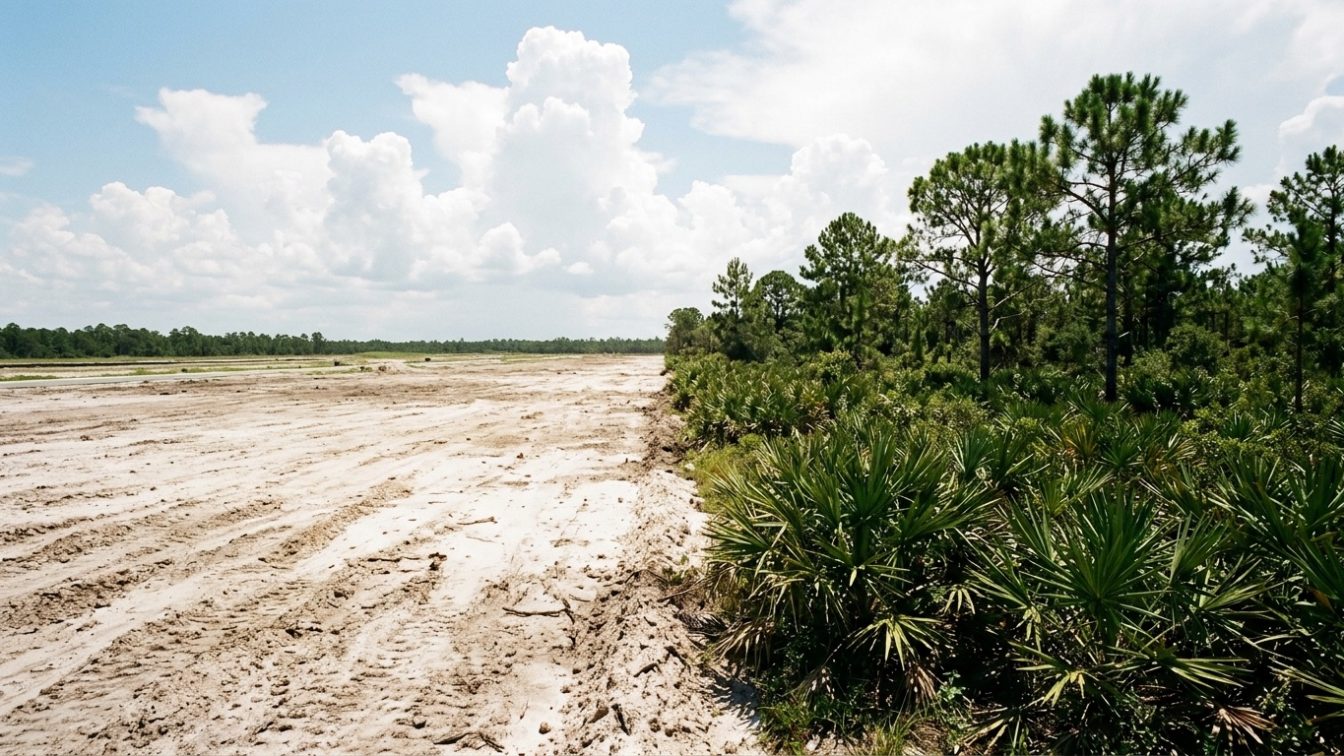
Table of contents
Summary of this article
- On July 14, 2026, the Department of the Interior formally rescinded the Endangered Species Act's "harm rule," removing habitat destruction from the legal definition of "harm," according to The Conversation, authored by a law professor with 50+ years of ESA litigation experience.
- Habitat loss is the No. 1 reason species become endangered, which is why the harm rule, in place since 1975 and revised in 1981, has been the single most important protection for at-risk wildlife.
- The U.S. Supreme Court upheld the harm rule 6-3 in 1995 in the Sweet Home decision; Justice Sandra Day O'Connor argued that destroying an animal's ability to reproduce is "actual injury."
- Legal experts say the change likely won't survive court. The administration argues the 2024 Loper Bright ruling voids Sweet Home, but Chief Justice Roberts explicitly wrote that Loper Bright does not call prior Chevron-reliant precedents into question.
- The stakes are enormous and measurable. Over two-thirds of listed species depend on nonfederal land, and Congress created an incidental take permit program, now covering 47 million acres, precisely because habitat destruction was understood to be harm.
Habitat loss is the number one reason animals and plants become endangered. Not hunting. Not pollution. Habitat loss. When you take away the forest a woodpecker needs to nest, the milkweed a butterfly needs to eat, or the clean, cool river a salmon needs to spawn, the animal disappears, even if no one ever lays a hand on it.
So it was a genuine shock when, on July 14, 2026, the U.S. Department of the Interior formally rescinded the Endangered Species Act’s “harm rule”, the language that for decades has treated the destruction of habitat as a form of harm. As The Conversation reported in an analysis by a law professor with more than 50 years of ESA litigation experience, the move effectively declares that wrecking the place a species lives isn’t harmful, as long as you don’t kill the animal directly.
If you care about wildlife, this matters. And the reason it likely won’t survive in court comes down to a principle building biology treats as fundamental: you protect something most effectively by controlling harm at its source, before it ever reaches the thing you’re trying to protect.
Habitat protection is source control
In building biology, source control means stopping a problem at its root instead of cleaning up the damage later. You seal the leak rather than mop the floor forever. It’s the cheapest, most durable form of protection there is.
The harm rule was source control written into wildlife law. By treating habitat destruction as harm, it let regulators stop a project before it wiped out the ground a species depends on, before the animals had nowhere to feed, breed, or shelter. That’s the whole logic: block the damage upstream, and you never have to try to rescue a collapsing population downstream.
The rule has existed since 1975. It was refined in 1981 to make the standard precise: harm “may include significant habitat modification or degradation where it actually kills or injures wildlife by significantly impairing essential behavioral patterns, including breeding, feeding or sheltering.” That’s not vague. It ties habitat destruction to real, measurable injury, a disrupted ability to breed, feed, or shelter, the exact functions an animal needs to survive.
Rescinding that rule doesn’t make the harm disappear. It just removes the tool that stopped it at the source, and reopens the pathways the harm travels.
The exposure pathways this reopens
An “exposure pathway” is the route by which harm reaches the thing you’re protecting. Remove habitat from the definition of “harm,” and several pathways swing back open on the very lands where most vulnerable species live.
Energy and mining projects. Oil, gas, and mineral operations that would degrade critical habitat face far less scrutiny if destroying that habitat no longer counts as harm.
Construction and development. Building on or clearing the places species depend on becomes easier when the law only prohibits directly killing an animal.
Water diversion and pollution. Degrading the clean rivers salmon need or the coastal waters manatees graze in can doom a population without a single animal being touched directly.
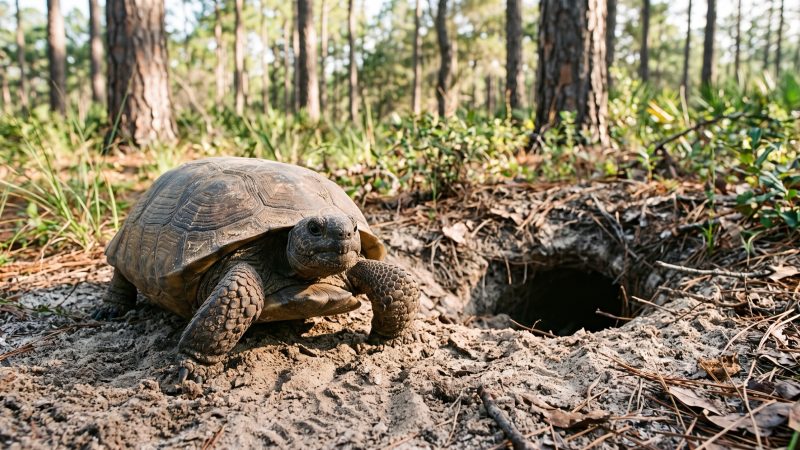
Here’s the crucial point about all of them: the harm is delayed, not avoided. Destroy a nesting forest and the birds don’t drop dead that afternoon. They fail to reproduce. Their numbers fade season after season until they’re gone. No one “killed” them, but they’re just as extinct. That delayed, invisible pathway is exactly what the harm rule was built to close.
The Supreme Court already settled this, in 1995
The strongest reason legal experts doubt this change will hold is that the Supreme Court has already ruled on it.
In 1995, in a case called Sweet Home, the timber industry challenged the harm rule. The Court upheld it by a vote of 6-3. Justice John Paul Stevens, writing for the majority, laid out why: the ordinary meaning of “harm” naturally includes habitat destruction that actually injures or kills wildlife. Every word in a law must mean something, and if “harm” didn’t cover indirect injury, it would just duplicate the other words already in the statute.
Justice Sandra Day O’Connor put the biology in plain terms. To “make it impossible for an animal to reproduce,” she wrote, “is to impair its most essential physical functions and to render that animal, and its genetic material, biologically obsolete. This, in my view, is actual injury.” In other words, wrecking an animal’s ability to breed is hurting it. That’s the whole case for the harm rule in a sentence.
The administration’s legal gamble
So how does the administration argue around a Supreme Court decision? It leans on a newer ruling.
In 2024, in Loper Bright Enterprises v. Raimondo, the Court abandoned the long-standing “Chevron doctrine,” which had told courts to defer to reasonable agency interpretations of ambiguous laws. Now courts must decide for themselves what a statute’s best reading is. The administration argues that because the 1995 Sweet Home majority relied partly on Chevron, that decision is no longer good law, and that the dissent, which read “harm” narrowly to mean only a direct action against an animal, is now the better reading.
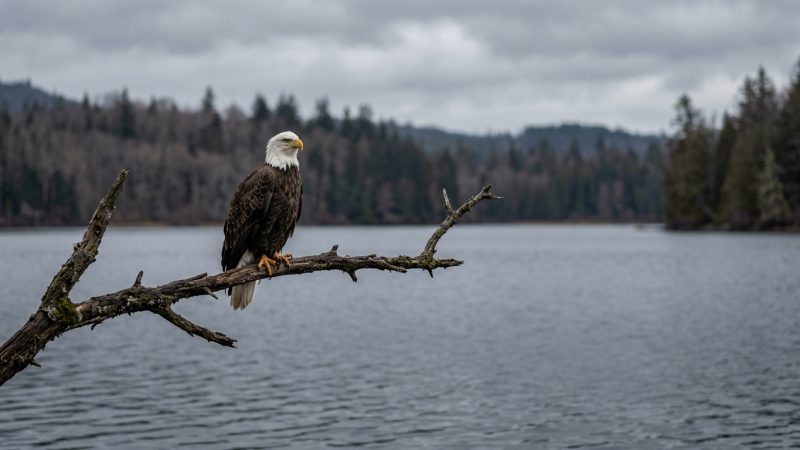
There’s a serious problem with that theory. In the Loper Bright opinion itself, Chief Justice John Roberts explicitly cautioned: “We do not call into question prior cases that relied on the Chevron framework.” He said so directly. It isn’t enough to point out that a past ruling mentioned Chevron and declare it dead. The administration has to overcome the presumption that Sweet Home remains binding law unless the Supreme Court itself decides to overturn it. That’s a steep climb. The species the rule helped recover show what it bought: the bald eagle came back under habitat protection.
Congress’s own actions prove the point
There’s a second, quieter piece of evidence that habitat destruction has always counted as harm, and it comes from Congress.
After a 1981 court ruling confirmed that habitat destruction could be an unlawful “take” of a protected species, Congress responded by creating the incidental take permit program. That program lets developers and landowners proceed with projects that might harm species, if they follow strict rules to minimize and offset the damage through habitat conservation plans.
Ask the obvious question: why would Congress build an entire permitting system to offset habitat loss if habitat loss wasn’t harm in the first place? You don’t create permits to authorize something that was never prohibited. The permit program is Congress’s own admission that destroying habitat is exactly the kind of harm the law was meant to prevent.
And the scale here is a hard, measurable number. Over the years, those permits have covered more than 47 million acres of habitat. That’s 47 million acres of real-world land where the law’s understanding of “harm” has been actively applied. It’s not a theory. It’s decades of practice.
The measurable stakes
Two thresholds capture what’s on the line:
47 million acres. The land covered by incidental take permits, proof that habitat destruction has long been treated as harm requiring mitigation.
Two-thirds of listed species. More than two out of every three protected species depend on nonfederal land, private and state property, for their survival and recovery. The harm rule is the single most important reason those species are still alive and have a chance to recover.
That second number is the heart of it. The harm rule is the main federal tool protecting habitat on land the government doesn’t own. Strip it away, and the majority of America’s most imperiled species lose their primary shield exactly where they need it most.
What happens next
Environmental groups and tribes have already filed multiple lawsuits. Beyond defending Sweet Home as the best reading of the law, they allege the administration cut procedural corners: failing to prepare an environmental impact statement under the National Environmental Policy Act, failing to consult on the impacts of the change as the ESA requires, and failing to justify a wholesale repeal under the Administrative Procedure Act without offering any alternative.
The legal strategy is telling. Rather than rush to a single verdict, challengers plan to file in multiple courts and seek preliminary injunctions to block the rule while the cases play out. If they succeed in freezing it, a future administration could simply reinstate the harm rule, running out the clock on the change before it does lasting damage.
What this means for you
You can’t rewrite a federal rule, but the source-control mindset points to real actions:
Support habitat protection close to home. State and local land conservation, wildlife corridors, and protected areas preserve habitat at its source, and matter more when federal safeguards weaken.
Speak up during public comment. Permit reviews for energy, mining, and development projects often invite public input. Backing habitat protection is a direct, low-effort way to influence outcomes.
Protect habitat on land you control. Keep native plants, leave buffers along waterways, and don’t clear nesting trees. Your own property is habitat you can defend directly.
Watch the acreage, not just the animals. Habitat acres shrink before population counts fall. Tracking protected land in your region catches trouble while it’s still fixable, the essence of source control.
The courts have said it for 30 years: destroying an animal’s home is harming the animal. The administration is betting a legal technicality can undo that. The lawyers who know this law best don’t think the bet will pay off. For the two-thirds of protected species clinging to survival on nonfederal land, that legal fight isn’t abstract. It’s the difference between a home that’s protected at the source and one that can be bulldozed while the law looks away.
Sources
- The Conversation. Why Trump's move to gut the Endangered Species Act likely won't hold up in court :
Questions people ask
What is the ESA "harm rule"?
The harm rule is Endangered Species Act language, first created in 1975 and revised in 1981, that includes habitat destruction in the definition of "harm." It covers significant habitat modification that "actually kills or injures wildlife by significantly impairing essential behavioral patterns, including breeding, feeding or sheltering," according to The Conversation.
What did the Trump administration change?
On July 14, 2026, the Department of the Interior formally rescinded the harm rule, removing habitat destruction from the definition of "harm." Going forward, the ESA would prohibit only directly killing or injuring protected animals, not destroying the places they need to survive.
Why do legal experts think the change won't hold up?
The Supreme Court upheld the harm rule 6-3 in the 1995 Sweet Home decision. The administration argues the 2024 Loper Bright ruling voids that precedent, but Chief Justice Roberts explicitly wrote that Loper Bright does not call prior Chevron-reliant cases into question. Challengers also allege procedural violations under NEPA, the ESA, and the Administrative Procedure Act.
What did Justice O'Connor say about harm?
In the 1995 Sweet Home case, Justice Sandra Day O'Connor argued that making it impossible for an animal to reproduce impairs its most essential physical functions and renders it "biologically obsolete." That, she wrote, "is actual injury", meaning destroying an animal's ability to breed is genuinely harming it.
Why does the incidental take permit program matter to this debate?
Congress created the incidental take permit program, now covering more than 47 million acres, to let projects offset habitat loss through conservation plans. Legal experts argue Congress would not have built a system to offset habitat destruction unless it understood habitat destruction to be harm in the first place.
How many species does this affect?
More than two-thirds of species listed under the Endangered Species Act depend on nonfederal land for their survival and recovery. The harm rule is the single most important federal protection for habitat on that private and state land, making it the primary shield for the majority of protected species.

Have questions about the environment inside your home?
Air quality, mold, EMF, light and water all shape how a house feels and how the people in it feel. Whatever your concern is, the first step is finding out what is there.
Our certified team of environmental professionals and advocates can help.