


A new federal rule removed the habitat shield that helped save bald eagles
The rule drops habitat destruction from the Endangered Species Act's definition of harm, letting developers degrade nesting and feeding grounds if no animal is hurt on the spot. That protection is what helped the bald eagle recover.
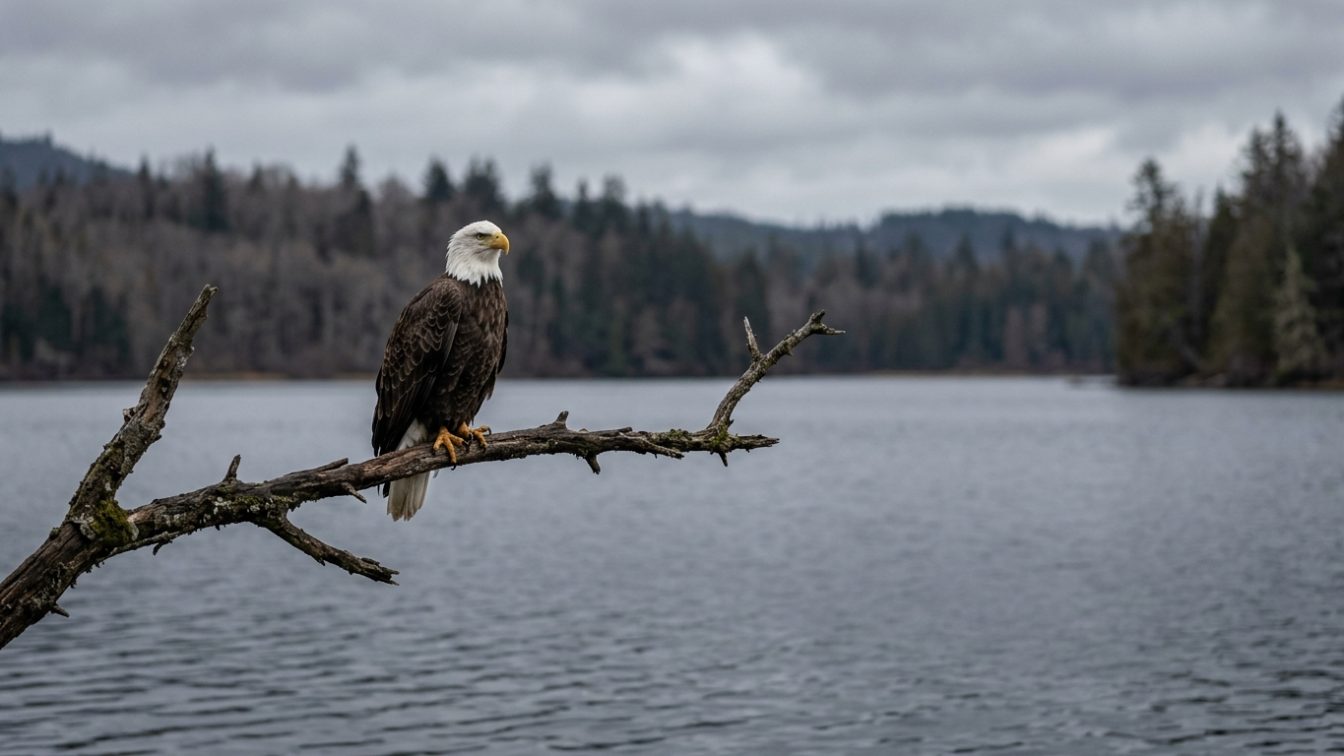
Table of contents
Summary of this article
- The Trump administration finalized a rule on July 10, 2026, removing habitat destruction from the Endangered Species Act's definition of "harm," according to NBC News/Reuters reporting.
- Developers can now impair wildlife habitats as long as animals are not directly injured or killed, limiting the reach of the 50-year-old law.
- Habitat destruction is still harm, just delayed. Destroying the places species need to feed, nest, and breed causes populations to decline over time, even when no individual animal is killed on the spot.
- The ESA is credited with saving iconic species including the bald eagle and California condor, largely by protecting the habitats they depend on.
- The rule benefits specific industries. The Departments of Interior and Commerce said it will reduce permitting and compliance costs for energy producers, farms, and fishing interests, framing it as respecting private property and reducing regulation.
The bald eagle was nearly gone. So was the California condor. Both came back from the edge of extinction thanks to the Endangered Species Act, a 50-year-old law that ranks among the most successful conservation tools ever written. A big part of that success wasn’t just protecting the animals, it was protecting the places they live.
On July 10, 2026, the Trump administration finalized a rule that changes how that protection works. It removes habitat destruction from the Endangered Species Act’s definition of a single, crucial word: “harm.” NBC News, drawing on Reuters, reported the change.
If you care about wildlife, the outdoors, or the health of the land around you, this is worth understanding in plain terms. It comes down to a principle that building biology treats as foundational: the most effective protection stops damage at its source, before it happens. This rule dismantles exactly that kind of protection.
What the rule actually does
For decades, federal agencies read “harm” under the ESA broadly. Directly killing or injuring a protected animal was harm, obviously. But so was destroying or degrading the habitat that animal needs to survive. If a project wiped out the forest, wetland, or nesting ground a species depended on, that counted as harm, even if no one touched a single animal.
The new rule strips habitat out of that definition. Going forward, the law prohibits only the direct injuring or killing of wildlife. As NBC News put it, developers “would be allowed to impair places where species live so long as wildlife is not injured directly or killed.”
Supporters frame it as common sense. The Departments of Interior and Commerce said the rule will reduce permitting and compliance costs for energy producers, farms, fishing interests, and more. Interior Secretary Doug Burgum said it “restores common sense, respects private property, provides much-needed certainty for landowners and follows the statute Congress actually passed.” The move aligns with the administration’s broader goal of cutting regulations it says constrain American business.
Why destroying habitat is still harm
Here’s the core problem with the new definition. Destroying habitat doesn’t spare an animal harm, it just delays it and hides who’s responsible.
Think about what habitat is. It’s not a backdrop. It’s the food supply, the nesting site, the den, the water, and the shelter a species needs to live and reproduce. Take that away, and the animals don’t drop dead on the spot. Instead, they can’t find enough food. They have nowhere to raise young. Their numbers shrink, season after season, until the population fades out.
No one “killed” them. But they’re gone all the same. The harm is real; it’s simply spread out over time and separated from the action that caused it. That’s what makes the delayed pathway so deceptive. A bulldozer clearing a nesting forest looks nothing like harming an eagle, until you follow the chain to its end, where the eagles have quietly disappeared because they had nowhere left to nest.
This is exactly why the old, broader definition existed. It recognized that you can doom a species without ever laying a hand on one of its members.
The species that prove the point
The bald eagle and the California condor are the clearest evidence that habitat protection works.
The bald eagle didn’t recover only because people stopped shooting them or because a harmful pesticide was banned. It recovered because the nesting trees along shorelines, the undisturbed waters where they hunt, and the roosting sites they depend on were protected from destruction. Guard the habitat, and the birds had room to rebuild their numbers.
The California condor, a bird so rare it nearly vanished entirely, needed vast, protected range to survive. Its comeback leaned on shielding the wild places it requires, not just the individual birds.
These are the success stories the ESA is credited with. And they share a common thread: the animals bounced back because their habitat stayed intact. Weaken habitat protection, and you weaken the very mechanism that produced these recoveries.
The building-biology lens: source control
Building biology rests on a simple idea called source control. The most effective way to protect health is to stop a problem where it starts, rather than clean it up after it spreads. You fix the leak instead of endlessly mopping the floor.
Applied to wildlife, the habitat is the source of a species’ survival. Protect the nesting ground, and you prevent harm before it can occur. That’s the cheapest, most durable protection there is, because once a habitat is gone, rebuilding it is slow, expensive, and often impossible.
The old definition of “harm” was a source-control tool. It let regulators say no to a project that would erase critical habitat, stopping the damage at its root. The new rule removes that lever. Now a project can legally destroy the source of a species’ survival, as long as it doesn’t kill an animal in the act. Skipping source control doesn’t avoid the harm. It just pushes it downstream, where it’s harder to see and nearly impossible to reverse.
The exposure pathways this reopens
Removing habitat from the definition of “harm” reopens routes of damage that the law had helped block. The ESA is a key regulatory consideration when agencies weigh permits for oil and gas, mining, electric transmission, and other operations on federal lands and waters. Each of those is now an exposure pathway with fewer barriers.
Energy development. Oil, gas, and mining projects that would degrade the places species live face reduced ESA scrutiny, so long as no animal is directly killed.
Transmission and infrastructure. Electric transmission lines and similar projects can now impair habitat with less regulatory friction.
Farming and fishing operations. The rule specifically eases compliance costs for farms and fishing interests, loosening restrictions on activities that alter or destroy habitat. A legal word decides the same fight elsewhere: whether bison count as wildlife or as livestock. Oversight can fail in captivity as well: Florida regulators kept finding no violations while sloths died.
Each pathway leads to the same endpoint: a species losing the ground it depends on, with the population decline arriving later, disconnected from the project that triggered it.
The measurable thresholds that matter
This change is easier to track than it might sound, because wildlife protection runs on numbers.
Permit reviews. The ESA requires agencies to evaluate how proposed operations affect threatened and endangered species before granting permits. Watching how many projects now clear review without habitat safeguards is a direct measure of the rule’s impact.
Habitat acres. The amount of protected or intact habitat for a species is a concrete figure. A shrinking acreage is an early warning that shows up long before population counts catch up.
Population counts. The recovery of the bald eagle and condor was tracked in rising numbers of breeding pairs and individuals. Those same counts, if they start to fall, are the delayed signal that habitat loss is doing its work.
The key insight: habitat acres change first, population counts change later. That lag is exactly why source control matters. By the time the population numbers drop, the habitat that would have prevented the loss is already gone.
What this means for you
You can’t rewrite a federal rule on your own, but the source-control mindset points to real, practical actions.
Support habitat protection at every level. State and local land conservation, wildlife corridors, and protected areas all preserve habitat at its source. These local safeguards matter more when federal ones weaken.
Weigh in on projects near you. Permit processes for energy, infrastructure, and development often include public comment periods. Speaking up for habitat protection is a direct, low-effort way to influence outcomes.
Protect habitat on your own land. Keep native plants, leave buffer zones along waterways, avoid clearing nesting trees, and resist the urge to “tidy” wild areas that species use. Your property is habitat you control directly.
Contact your elected representatives. Rules can be challenged in court or reversed by future administrations more easily than laws. Public pressure has stalled ESA changes before.
Watch the measurable signs. Follow habitat acreage and population data for species in your region. Catching a decline in acres early, before the population crashes, is the whole point of source control.
The bald eagle and California condor are alive today because, for decades, the law protected not just the animals but the places they need. This rule severs that link, betting that you can save a species while letting its home be destroyed. For any animal that depends on where it lives, which is all of them, that bet doesn’t add up. The recoveries we celebrate were built on protected habitat. Keeping them means keeping the source intact. The same rollback reaches further down the list. The gopher tortoise was just reclassified as critically endangered.
Sources
- NBC News/Reuters. Trump administration weakens protections for threatened animal species (2026) (July 10, 2026):
Questions people ask
What did the new Endangered Species Act rule change?
Finalized on July 10, 2026, the rule removes habitat destruction from the ESA's definition of "harm." Going forward, the law prohibits only the direct injuring or killing of protected animals, impairing the places where species live is no longer covered, according to NBC News/Reuters.
How can destroying habitat harm animals if none are killed?
Habitat provides the food, nesting sites, water, and shelter a species needs to survive and reproduce. Destroying it doesn't kill animals immediately, but it causes them to fail to feed and breed, so the population declines over time. The harm is real but delayed and separated from the action that caused it.
Which species prove habitat protection works?
The bald eagle and the California condor are leading examples. Both recovered from near-extinction under the ESA, largely because the habitats they depend on, nesting trees, hunting waters, and wild range, were protected from destruction, giving their populations room to rebuild.
Who benefits from the rule change?
The Departments of Interior and Commerce said the rule reduces permitting and compliance costs for energy producers, farms, fishing interests, and more. It eases ESA scrutiny for operations like oil and gas, mining, and electric transmission on federal lands and waters, and is framed as respecting private property and reducing regulation.
Why is habitat protection considered "source control"?
In building biology, source control means stopping a problem at its root rather than cleaning up afterward. Habitat is the source of a species' survival, so protecting it prevents harm before it happens. Once habitat is destroyed, rebuilding it is slow, costly, and often impossible, making prevention far more effective than any later fix.
What can I do in response?
Support state and local habitat conservation, participate in public comment periods for nearby projects, protect habitat on your own property with native plants and buffer zones, contact your elected representatives, and monitor habitat acreage and population data for species in your area to catch declines early.


Have questions about the environment inside your home?
Air quality, mold, EMF, light and water all shape how a house feels and how the people in it feel. Whatever your concern is, the first step is finding out what is there.
Our certified team of environmental professionals and advocates can help.