


Florida’s queen conch is threatened, and still has nowhere protected to live
Federal officials listed the queen conch as threatened in 2024, but the habitat rule that should protect where it lives still hasn't been finished. A new lawsuit aims to force that decision.
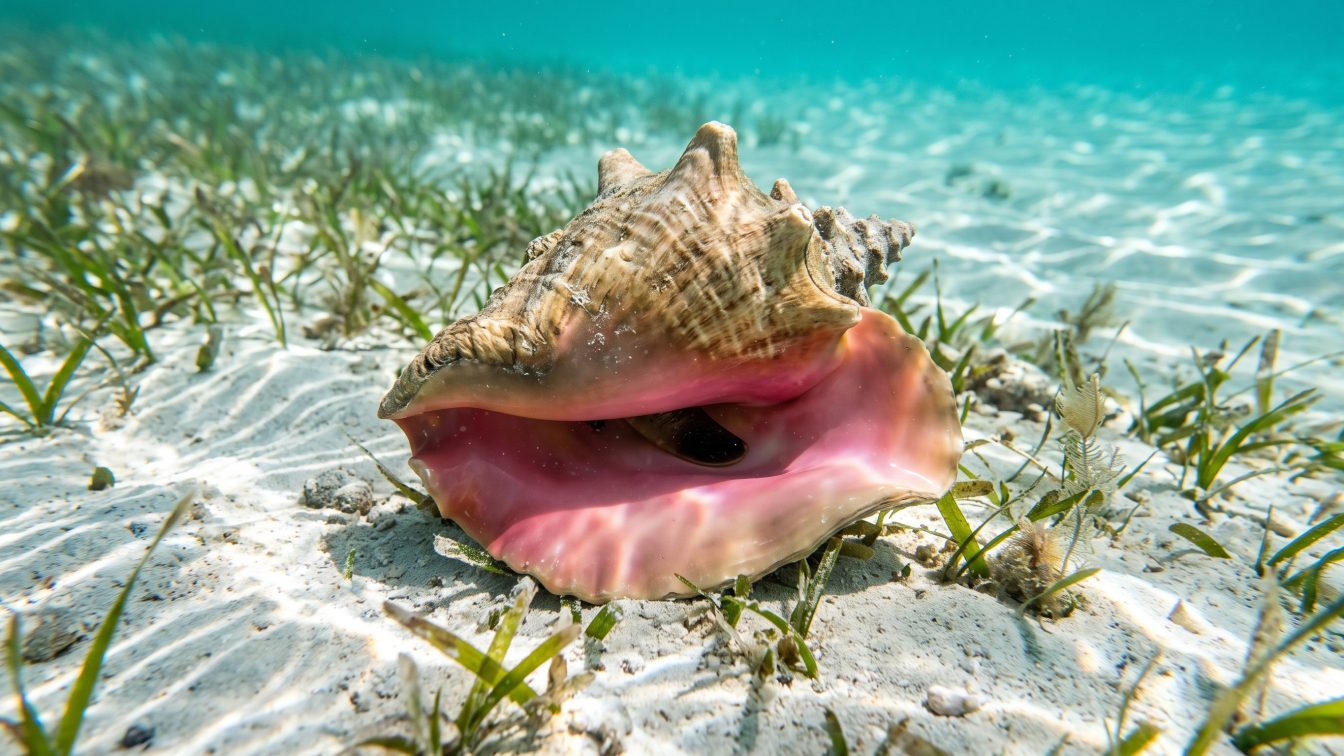
Table of contents
- Critical habitat is a legal line drawn on a map
- Source control: protect the habitat before it degrades
- The exposure pathway: how dredging sediment reaches the conch
- Four threats stacking up at once
- Practical fixes you can act on
- Measurable thresholds worth knowing
- What a habitat designation would change on the coast
Summary of this article
- The Center for Biological Diversity filed a lawsuit in July 2026 in the U.S. District Court for the District of Columbia to force the National Marine Fisheries Service to finalize critical habitat protection for the threatened queen conch.
- The queen conch was listed as federally threatened in 2024, yet the required habitat protections off Florida, the U.S. Virgin Islands, and Puerto Rico have not been finalized.
- The conch faces four main threats: overharvesting, pollution, habitat degradation, and climate change, according to the Center for Biological Diversity.
- Dredging sediment is a direct exposure pathway. In May 2026, the Center and three other groups gave notice they intend to sue over sediment overflow from the Port Everglades dredging project, which they say was supposed to be prohibited but is "clearly occurring."
- Habitat protection is source control. Shielding seagrass and sandy flats before they degrade is cheaper and more effective than trying to rebuild a collapsed coastal ecosystem later.
The queen conch is one of the most recognizable animals in the Caribbean and off South Florida. Its large, spiral shell with a glossy pink interior has become a symbol of tropical coasts. But the animal inside that shell is struggling to survive, and the legal protection meant to save its home has stalled.
In July 2026, the Center for Biological Diversity filed a lawsuit in the U.S. District Court for the District of Columbia. The suit argues that the National Marine Fisheries Service has failed to finalize required habitat protections for the queen conch off Florida, the U.S. Virgin Islands, and Puerto Rico. The federal government listed the sea snail as threatened in 2024, but the map that would legally shield the places it lives has not been completed. WUSF/WLRN reported the filing on July 9, 2026.
For anyone who lives, swims, fishes, or eats seafood along Florida’s coast, the snail is the smaller half of it. The health of the shallow waters at the edge of the built environment is the rest, along with the difference between protecting a habitat now and rebuilding one after it collapses.
Critical habitat is a legal line drawn on a map
When the government lists a species as threatened, that is only the first step. The law also calls for a designation of “critical habitat”, a formal, mapped identification of the specific areas an animal needs to survive and recover.
That designation matters because it changes how projects get reviewed. Federal actions that might damage designated critical habitat, such as dredging permits, face closer scrutiny. Without it, the listing is largely symbolic. The animal is officially threatened, but the places it depends on carry no special legal shield.
The lawsuit targets that gap. As Center attorney Alex Muir put it, “Without this crucial protection, we’ll have to watch pollution, dredging and climate change continue to threaten these charming marine snails… What’s so frustrating is that this is preventable. If federal officials move quickly to shield their habitat, it’d give these conchs a fighting chance.”
Source control: protect the habitat before it degrades
Building biology rests on a simple principle called source control. The most effective way to protect health is to stop a problem where it starts, rather than clean it up after it spreads. Applied to a coastal ecosystem, source control means protecting the habitat before it degrades, not trying to reconstruct it later.
Queen conch live on seagrass beds and sandy flats in shallow water. Young conch bury in the sand; adults graze on algae and detritus across the flats. These same habitats do heavy lifting for the whole coast. Seagrass filters water, traps sediment, absorbs excess nutrients, and shelters the young fish and shellfish that support the coastal food web.
Protecting that habitat is the aquatic version of fixing a leak at the pipe instead of mopping the floor forever. Once seagrass flats are smothered or lost, rebuilding them is slow, expensive, and often incomplete. A critical habitat designation is a source-control tool: it puts a legal barrier between the habitat and the activities most likely to destroy it, before the damage is done.
The exposure pathway: how dredging sediment reaches the conch
The clearest threat in this story is sediment from dredging, and it works exactly like an exposure pathway.
In May 2026, the Center for Biological Diversity was joined by Miami Waterkeeper, the Florida Wildlife Federation, and the Diving Equipment and Marketing Association in issuing a 60-day notice that they intend to sue over the effects of the ongoing Port Everglades dredging project on threatened staghorn coral and queen conch. The groups say the project’s design included a commitment to prohibit “overflow”, a construction practice that limits how much sediment escapes into the surrounding water. But they contend the work was “subsequently modified and overflow is clearly occurring.”
Here is why overflow matters. Dredging churns up bottom sediment. When overflow is allowed, fine particles spill back into the water and drift with the current, forming a plume. That plume settles onto nearby seagrass and coral, and it clouds the water column. The result is a chain of harm:
Smothering. Settling sediment coats seagrass blades and buries the sandy flats where conch feed and shelter, choking the habitat directly.
Blocked light. Suspended sediment shades the water, cutting the sunlight seagrass needs to survive. Less light means less seagrass, which means less habitat.
Buried contaminants. Stirred-up sediment can carry pollutants that had settled to the bottom back into the water, spreading them across the ecosystem.
That same sediment plume clouds the water where people swim and degrades the coastal environment that shoreline communities depend on. The exposure pathway that harms the conch is the same one that lowers water quality for everyone at the coast.
Four threats stacking up at once
The Center for Biological Diversity identifies four forces pushing the queen conch toward decline: overharvesting, pollution, habitat degradation, and climate change. Each one compounds the others.
Overharvesting is the historic driver. Queen conch reproduce slowly and need to be close together to breed. When too many are taken, the survivors become too scattered to find mates, and the population cannot rebuild itself even after harvesting stops.
Pollution, especially nutrient runoff from land, feeds algae blooms that shade and smother seagrass, the conch’s home.
Habitat degradation from dredging and coastal development removes the flats directly, as the Port Everglades case shows.
Climate change warms and acidifies the water, adding stress that makes recovery from the other three threats even harder.
No single fix addresses all four. But protecting habitat is the one lever that shields the animal from the immediate, physical harms of dredging and development while the slower problems are worked on.
Practical fixes you can act on
You do not need to be a marine biologist to help keep coastal waters and their wildlife healthy. Several actions align directly with the source-control approach.
Skip seafood from overharvested populations. Queen conch harvest from U.S. federal waters has long been restricted, and the animal is now federally threatened. Avoid buying or ordering conch of uncertain origin, and choose seafood certified as sustainably sourced. Reducing demand takes pressure off already-stressed populations.
Support the critical habitat designation. Federal habitat designations go through public comment periods. Adding your voice in support of finalizing queen conch critical habitat is a direct, low-effort way to push the process forward.
Cut nutrient runoff from your property. If you live near the coast, follow local seasonal fertilizer bans, avoid fertilizing before heavy rain, and keep vegetated buffers along any waterway. Every pound of nitrogen and phosphorus kept out of the water is one less contributor to the algae blooms that smother seagrass.
Scrutinize dredging projects. The Port Everglades dispute shows that a permit commitment, like prohibiting sediment overflow, only protects habitat if it is actually enforced. Watching how these projects are carried out, and supporting groups that hold them accountable, keeps the source-control promise real.
Report water clarity you can see. Sediment plumes and murky water near a dredging site are visible signs of overflow. Documenting and reporting them to local water agencies helps build the record that enforcement depends on.
Measurable thresholds worth knowing
Sediment and water clarity can be measured, which matters because “clearly occurring” overflow is easier to challenge with numbers. Water clarity is commonly tracked with turbidity, measured in nephelometric turbidity units (NTU). Many Florida construction and dredging permits set turbidity limits, often no more than 29 NTU above the natural background level outside a designated mixing zone. When monitoring shows readings above the permitted threshold, that is measurable evidence the project is exceeding what it promised.
Seagrass itself is a living gauge. Because it needs sunlight, the depth at which seagrass can grow reflects how clear the water stays over time. A shrinking seagrass depth limit is a sign that sediment and nutrients are degrading the habitat, long before the conch population numbers catch up to the loss.
What a habitat designation would change on the coast
The queen conch lawsuit is really a test of timing. Listing the animal as threatened already happened, and biologists know which habitat it needs. What is missing is the legal designation that would protect that habitat before dredging, pollution, and development erase it.
Source control comes down to that. Protecting a functioning seagrass flat is far cheaper, and works better, than rebuilding one after it is gone. And because those flats filter water, feed fisheries, and buffer shorelines, protecting them protects the coastal environment people rely on, too.
You can help by keeping demand off stressed populations, supporting the habitat designation, cutting nutrient runoff near the water, and holding dredging projects to the commitments they made. The queen conch’s pink shell is a symbol of healthy tropical coasts. Keeping the animal alive means protecting the quiet, sandy, seagrass-covered places it calls home, before the sediment settles for good.
Sources
- WUSF/WLRN, News Service of Florida. Lawsuit filed to protect threatened queen conch off Florida coast (2026) (July 9, 2026):
Questions people ask
What is the queen conch lawsuit about?
In July 2026, the Center for Biological Diversity filed a lawsuit in the U.S. District Court for the District of Columbia arguing that the National Marine Fisheries Service has failed to finalize required "critical habitat" protections for the queen conch off Florida, the U.S. Virgin Islands, and Puerto Rico. The species was listed as federally threatened in 2024.
Why does "critical habitat" matter if the conch is already threatened?
Listing a species as threatened is only the first step. A critical habitat designation formally maps the areas the animal needs to survive and subjects federal actions that could damage those areas, like dredging permits, to closer review. Without it, the listing offers little real protection for the places the conch lives.
What threats does the queen conch face?
The Center for Biological Diversity identifies four: overharvesting, pollution, habitat degradation, and climate change. Queen conch reproduce slowly and need to be near each other to breed, so overharvesting is especially damaging, while pollution and dredging degrade the seagrass and sandy flats they depend on.
How does dredging harm the conch and coastal water?
Dredging stirs up bottom sediment. When "overflow" is allowed, fine particles spill into the water, forming a plume that settles onto seagrass and flats, smothers them, blocks the sunlight seagrass needs, and can spread buried contaminants. The same murky water lowers quality for swimmers and the wider coastal ecosystem. Groups say this overflow is occurring at the Port Everglades project despite a commitment to prohibit it.
What can I do to help protect the queen conch?
Avoid buying or ordering conch of uncertain origin, support finalizing the critical habitat designation during public comment periods, reduce nutrient runoff from coastal property by following fertilizer bans and keeping vegetated buffers, and support accountability for dredging projects that exceed their sediment commitments.
How is sediment overflow measured?
Water clarity is often tracked as turbidity in nephelometric turbidity units (NTU). Many Florida dredging permits limit turbidity to no more than about 29 NTU above natural background outside a mixing zone. Readings above the permitted level are measurable evidence a project is releasing more sediment than allowed.
Have questions about the environment inside your home?
Air quality, mold, EMF, light and water all shape how a house feels and how the people in it feel. Whatever your concern is, the first step is finding out what is there.
Our certified team of environmental professionals and advocates can help.