


Toxic tire chemical 6PPD-Q turned up in a Tampa drinking water source
Florida researchers found 6PPD-Q in the Hillsborough River, a first for any waterway in the state. The chemical forms when a tire additive breaks down and washes off roads in dust and runoff.
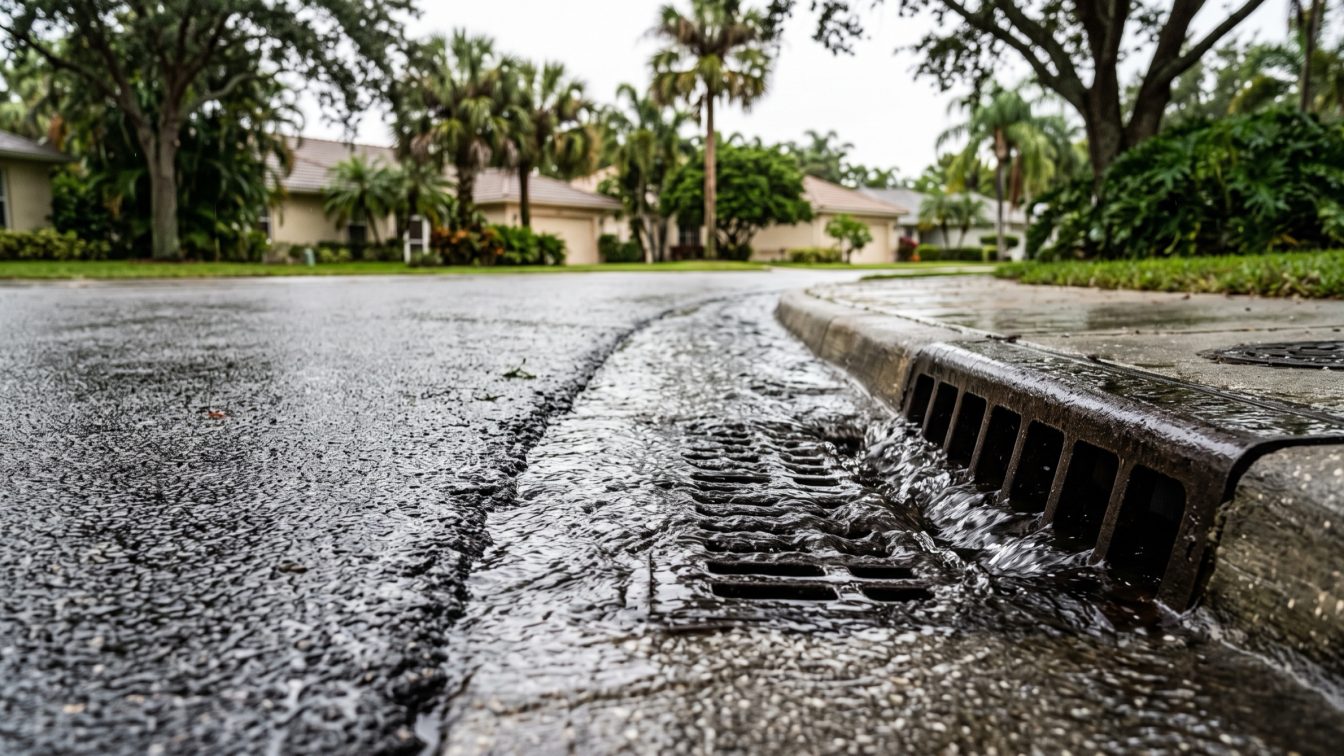
Table of contents
Summary of this article
- Tire dust carrying the toxic chemical 6PPD-Q was found in Tampa's Hillsborough River, the first time this type of pollution has been documented in any Florida waterway, WUSF reported on July 21, 2026.
- The study was led by Kassidy Troxell, an assistant research professor at Florida International University, and published in ScienceDirect.
- Tire dust is a microplastic spun off synthetic tires as cars roll on roadways; the particles carry 6PPD, a chemical added to tires to stop them degrading under sunlight and UV light.
- Once the particles wear off the tire, 6PPD leaches out into waterways, where it transforms into 6PPD-Q.
- 6PPD-Q has been found to affect the behavior of coho salmon in the Pacific Northwest, and little research has yet been done on its effects on Florida marine life.
- The chemical is "sticky," Troxell said, meaning it binds to surfaces and can be trapped in storm drains and green infrastructure before it reaches rivers.
- Troxell identified green infrastructure, such as grass and vegetation, and stormwater filtration technology as effective mitigation, noting the compound is "easy to remove from the water."
- The reliable fix is source control at the stormwater stage: trap the runoff before it reaches the river through green infrastructure and filtration a homeowner and a municipality can both act on.
Every car sheds a little of its tires onto the road. Those particles are microplastic, and they carry a chemical called 6PPD that tire makers add to stop rubber breaking down in sunlight.
Rain washes them into storm drains. Along the way the chemical reacts with ozone and becomes 6PPD-quinone, or 6PPD-Q, the form that kills fish.
Kassidy Troxell of Florida International University found it in Tampa’s Hillsborough River, WUSF reported on July 21, 2026. No Florida waterway had ever been documented carrying this pollution before. The study ran in ScienceDirect.
Why they looked at the Hillsborough
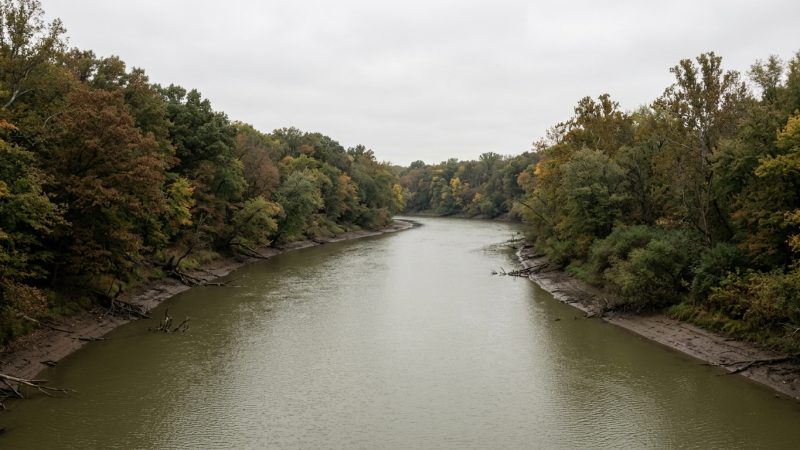
Troxell picked the river for one reason: it runs through a major city. “She said they chose the Hillsborough River because it flows through a major city: Tampa,” WUSF reported. A river threading a dense urban area collects runoff from every road around it.
Concentrations came back small but potentially toxic. What the study establishes is presence. Before it, tire dust and its chemical signature had never been measured in Florida water. Now they have, in a river serving a metropolitan area.
Every car sheds it, all the time
Nothing about it is a manufacturing accident. Driving produces it.
Synthetic tires are rubber compounded with additives. Friction against the road sheds microscopic fragments of that material continuously, from every vehicle on every road. Those fragments are microplastics, small enough to travel in air and water.
6PPD is one of the additives riding along. “It’s incorporated into the plastic to stop its degradation from the sun and UVs,” Troxell told WUSF. It extends a tire’s life by shielding the rubber from sunlight and ozone.
Protection inside the tire becomes pollution outside it. “Once the particles wear off the tire, they leach out of the plastics and get into our waterway,” Troxell said.
How 6PPD becomes 6PPD-Q
Two names appear in the study, and a chemical reaction separates them. 6PPD is the compound sitting in the tire. Exposed to ozone in air and water, it converts to 6PPD-quinone.
That transformation product is the one tied to harm. The tire additive is not the toxic agent; what the environment turns it into is. Which is exactly why this pollution belongs to roads and water together: a particle sheds the parent chemical, the environment converts it, and 6PPD-Q enters the river.
Coho salmon died for years before anyone knew why
Runoff carries whatever a landscape holds, and the clearest evidence on this compound comes from the Pacific Northwest, where it “has been found to affect the behavior of coho salmon,” WUSF reported.
Coho returning to urban streams there died in large numbers before spawning, year after year, and nobody knew why. Researchers eventually traced it to 6PPD-Q washing off roads in stormwater. Acutely toxic to the species, the compound turned a long mystery into a documented threat.
Florida is a different question. Little research exists on how tire dust affects marine life in these waters, WUSF reported, and the species, water chemistry and ecosystems all differ from the Pacific Northwest. Salmon findings do not transfer. Presence is established; effects are not.
Road to drain to river
Stormwater is the whole pathway, and it carries most urban pollution to waterways, eventually into the bays where oysters filter it.
Particles build up on pavement as vehicles drive. Rain lifts them, runs them into storm drains, and most drains discharge to the nearest waterway with no treatment at all. Whatever the runoff picked up goes into the river.
Traffic and pavement set the volume. Dense cities have more roads, more cars, and more hard surface funnelling water to drains rather than letting it soak in. Troxell’s team expected to find this in a river running through a city for exactly that reason, and urban waterways carry the heaviest load.
Who is most exposed
Aquatic life in urban waterways. The Hillsborough and everything living in it take the runoff directly, and 6PPD-Q’s toxicity to coho shows the compound acts at low concentrations. Florida species have not been studied for it, so the risk is unquantified rather than absent.
People living near affected water. Microplastics and their chemicals move through water. Communities drawing drinking water from affected sources, or fishing and swimming in them, sit closest.
Anyone drinking unfiltered water. What sits between a source and a tap decides what remains. Households with no filtration have the least protection against whatever the source carries. The pipes carrying that water add their own variables.
This one is fixable, and here is the reason
Most contamination stories end at a hard limit. Troxell named why this one does not: the chemical is sticky.
“They can absorb to different surfaces,” she said. Rather than dissolving away beyond reach, 6PPD-Q binds to what it touches. Put the right surface in its path and it stops there.
Stickiness turns the stormwater route into an interception point. “They’re easy to remove from the water,” Troxell said. Nobody has to filter a river. The job is catching the compound between road and drain.
Two ways to trap it
Green infrastructure. Vegetation gives the chemical something to bind to before it reaches a catch basin. “If you have more green infrastructure like grass and things that these compounds can actually stick to before it goes into the catch basin, goes out into the waterway, that’s one,” Troxell said. Grass strips, planted buffers and vegetated margins hold what the runoff carries.
Stormwater filtration. Runoff can be treated before release. “If there’s a way that we can incorporate some technology to just have the stormwater go through some different phases or different filters before it’s actually released, that would be a huge one,” Troxell said. Filtration catches what vegetation misses.
Both work the same stretch of the journey, between road and river, and both work because the compound sticks.
What you can do
Plant between pavement and drain. Grass strips, rain gardens and vegetated buffers give the chemical a surface. On your own property, put vegetation between paved areas and the nearest drain.
Send downspouts and driveway runoff to soil. Aim roof and pavement water at planted ground rather than the street, so it soaks in instead of running to a drain.
Cut hard surface where you can. Every square foot of pavement routes water straight to a drain. Permeable pavers, gravel and planting let it filter through soil.
Back municipal stormwater filtration. Community investment in treating runoff before release is what Troxell called “a huge one.”
Keep the ground near storm drains vegetated. A planted catch-basin surround raises the odds runoff meets a surface the chemical sticks to.
Filter your drinking water. Drawing from a source near urban runoff, use a filter matched to a recognized standard and change cartridges on schedule.
Drive less, and keep tires right. Fewer miles mean less wear. Properly inflated, aligned tires shed more slowly.
Push for road design that slows runoff. Bioswales, roadside planting and stormwater ponds built into road and development projects intercept tire dust at a scale no household reaches.
Tire dust sheds off every car, carries a chemical added to protect the rubber, and turns into something acutely toxic to fish once rain and ozone get at it. Florida now has a measured case in a river running through Tampa. The unusual part is the ending: 6PPD-Q sticks to whatever it touches, so grass and a filter catch it before it ever reaches the water.
Sources
- WUSF (Steve Newborn), July 21, 2026. A new type of pollution from tires is found in the Hillsborough River, including the detection of tire dust in the Hillsborough River, quotes from Kassidy Troxell of Florida International University, the role of 6PPD and 6PPD-Q, the coho salmon findings, and the green-infrastructure and stormwater-filtration mitigation strategies.
- Kassidy Troxell et al., published in ScienceDirect. Study documenting tire-dust pollution in the Hillsborough River, the first such finding in a Florida waterway.
- Research on 6PPD-quinone and coho salmon in the Pacific Northwest, cited by WUSF, establishing the compound's toxic effect on salmon behavior and survival.
- Environmental Protection Agency. Guidance on stormwater runoff, green infrastructure, and microplastics, on how urban runoff carries road pollutants to waterways and how vegetated buffers and filtration reduce it.
Questions people ask
What did the study on the Hillsborough River find?
WUSF reported on July 21, 2026 that scientists found "tire dust," a microplastic carrying the toxic chemical 6PPD-Q, in Tampa's Hillsborough River. The study, led by Florida International University assistant research professor Kassidy Troxell and published in ScienceDirect, marked the first time this type of pollution has been documented in any Florida waterway. It was present in small but potentially toxic concentrations.
What is tire dust and where does it come from?
Tire dust is a microplastic spun off synthetic tires as cars roll on roadways. As a tire wears against the road during normal driving, it sheds microscopic particles of tire material. Those particles carry 6PPD, a chemical manufacturers add to tires to stop the rubber from degrading under sunlight and UV light. Once the particles wear off, the chemical leaches out into waterways.
What are 6PPD and 6PPD-Q?
6PPD is the chemical added to tires to protect the rubber from breaking down in sunlight. When a tire particle reaches the environment and the chemical is exposed to ozone in air and water, 6PPD transforms into 6PPD-quinone, abbreviated 6PPD-Q. The transformation product, 6PPD-Q, is the compound linked to toxic effects in aquatic life.
Why is 6PPD-Q dangerous?
6PPD-Q has been found to affect the behavior of coho salmon in the Pacific Northwest, where researchers traced large die-offs of salmon in urban streams to the chemical washing off roads in stormwater. It proved acutely toxic to the species. Little research has been done yet on how tire dust affects marine life in Florida waters, so its specific effects there remain to be studied.
How does tire dust get from the road into a river?
Through stormwater. Tire particles accumulate on road surfaces as vehicles drive, and when it rains, runoff washes them into storm drains. In most communities, storm drains discharge to the nearest waterway without treatment, so the tire dust flows directly into rivers and lakes. The Hillsborough River collects runoff from the roads across Tampa, which is why Troxell's team studied it.
How can tire dust pollution be reduced?
By trapping the runoff before it reaches the water. Troxell said the chemical is "sticky" and binds to surfaces, which makes it "easy to remove from the water." She identified two strategies: green infrastructure such as grass and vegetation that the chemical sticks to before it enters a storm drain, and stormwater filtration technology that routes runoff through filters before release. Homeowners can plant vegetated buffers and direct runoff to soil, while municipalities can build stormwater treatment into their systems.
Have questions about the environment inside your home?
Air quality, mold, EMF, light and water all shape how a house feels and how the people in it feel. Whatever your concern is, the first step is finding out what is there.
Our certified team of environmental professionals and advocates can help.