


Most federal heat-risk levels depend on whether your house cools down
The federal HeatRisk scale grades outdoor air, but 4 of its 5 levels hinge on whether someone can cool off. That makes heat danger partly a housing problem, not just a weather one.
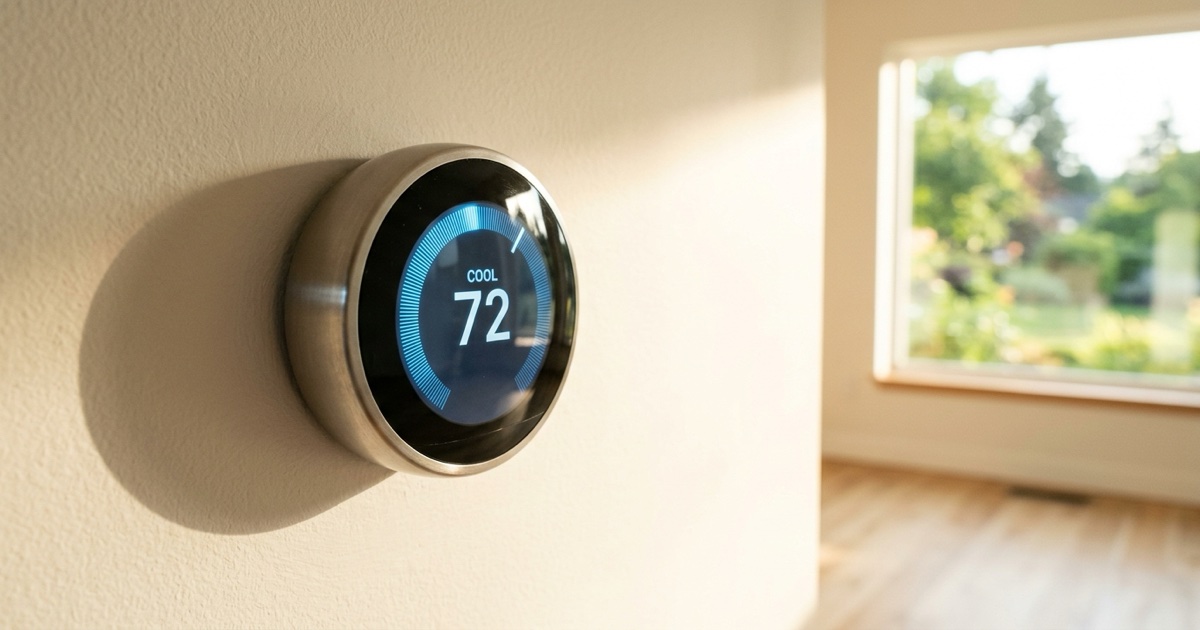
Table of contents
Summary of this article
- A federal heat warning grades outdoor air. What decides whether a night is survivable happens inside a house, and no forecast can see it.
- The NWS HeatRisk scale runs green through magenta, 0 to 4, one value per 24-hour period across a 7-day forecast.
- The phrase without cooling/hydration appears in four of its five levels. Hydration is solved at a tap. Cooling is a building.
- The right-hand column widens as it descends. Level 1 catches anyone extremely sensitive to heat. By level 3 it is everybody.
- The scale weighs duration, daytime and nighttime temperatures together, and how unusual the heat is for the season, which is why the same afternoon rates differently in different towns.
- A house takes on heat all day and releases it from the inside overnight. A fan moves warm air past a body without removing heat from the structure.
- Night is when a body settles up with a hot day. A room that never cools takes that recovery away, and a run of such nights is what accumulates.
- The HeatRisk fact sheet states the product is experimental with no guarantee of timely availability. A tool naming its own limits is easier to use well.
A federal heat warning grades the air outside a house. What decides whether a night is survivable is what happens inside one, and no forecast can see it.
The National Weather Service HeatRisk scale runs green through magenta, 0 to 4, one value for each 24-hour period across a 7-day forecast. Read its five levels in order and one phrase appears in four of them: without cooling/hydration.
That phrase is doing most of the work. Here is what the scale actually measures, what it cannot measure, and the one reading nobody is taking for you.
A hot bedroom at midnight is a building problem
A house takes on heat all day and gives it back slowly from the inside, long after outdoor air has cooled.
Roof, walls, plaster and furniture absorb sun from morning onward and release it into the rooms overnight, at whatever pace the building sets. A window open at eleven o’clock and a fan running do not change that. The fan moves warm air past a body; it does not remove heat from the structure.
Night is when a body settles up with a hot day. Core temperature drops, heart rate slows, and the work of simply staying level stops. A room that never cools takes that recovery away, and the next day starts on top of the previous one.
One brutal afternoon is survivable for most healthy adults. A run of nights where nothing gives back is the part that accumulates.
Four of five HeatRisk levels hang on cooling and hydration
The right-hand column of that scale widens as it descends. Nothing gets hotter going down the list; it gets more crowded. Level 1 catches anyone extremely sensitive to heat. By level 3 it is everybody.
The scale is more sophisticated than a temperature reading. It weighs how long heat lasts, daytime and nighttime temperatures together, and how unusual that heat is for the time of year, which is why an afternoon nobody notices in one town counts as dangerous in another that never gets it.
But two conditions decide which group a person lands in on a given day: whether they have cooling, and whether they have hydration. The level assumes your house cools down at night, and a home can hold 90 degrees inside during a heat wave.
Hydration is solved at a tap in about a minute, and most people already know it. Cooling is a building.
The scale is candid about its own limits
The HeatRisk fact sheet states that the product is experimental, with no guarantee of timely availability, and that changes may occur without advance notice.
That should raise confidence rather than lower it. A tool that names its own limits is easier to use well than one that stays quiet about them.
Same grid square, two different nights
A magenta day means rare, long-duration extreme heat with no overnight relief. In a house that releases its heat after dark, that is one kind of night. In a house that holds heat, it is another kind entirely.
Same forecast. Same county. Same color on the map. The difference is the roof, the walls, the windows and what the bedroom does between midnight and dawn, and no forecast, community rating or county map can see any of it.
The measurement nobody is taking for you
Put an inexpensive thermometer beside the bed and read it with morning coffee.
After a week of hot weather that produces something about the house that appears in no federal file: what the bedroom actually does overnight, rather than what the air outside it did.
There is no published indoor threshold to check that against, because nobody sets one. What the reading gives is the shape of a specific room across a specific week, which is the half of this problem that was always the household’s.
Sources
- NOAA National Weather Service. NWS HeatRisk fact sheet (2024)
- NOAA Weather Prediction Center. HeatRisk interactive CONUS viewer (2026)
- Federal Emergency Management Agency. National Risk Index dataset, version 1.20, via the Resilience Analysis and Planning Tool (2026)
- Institute of Building Biology + Sustainability (IBN). Building Biology Evaluation Guidelines for Sleeping Areas, SBM-2024, Standard Point B6 (2024) SBM-2024, 9th edition
Questions people ask
What does a federal heat warning actually measure?
Outdoor air. The NWS HeatRisk scale runs 0 to 4 across a 7-day forecast, weighing duration, daytime and nighttime temperatures, and how unusual the heat is for the time of year. It does not measure conditions inside any building.
Why is my bedroom still hot at midnight?
The house absorbed heat all day into roof, walls, plaster and furniture, and releases it from the inside overnight at whatever pace the structure sets. Outdoor air cooling off does not change that.
Does a fan cool the room?
A fan moves warm air past a body, which can help a person feel cooler. It does not remove heat from the structure, so the room itself does not cool.
What does without cooling/hydration mean on the scale?
It is the condition attached to four of the five HeatRisk levels. Two things decide which group a person lands in: whether they have cooling and whether they have hydration. Hydration is a minute's work at a tap. Cooling is a building.
Why does night matter more than the afternoon?
Night is when a body settles up with a hot day: core temperature drops, heart rate slows, and the work of staying level stops. A room that never cools removes that recovery, and consecutive nights accumulate.
Is the HeatRisk product reliable?
Its own fact sheet states it is experimental, with no guarantee of timely availability and changes possible without advance notice. That candour makes it easier to use well than a tool that stays silent about its limits.
Is there a safe indoor temperature threshold?
No published federal indoor threshold exists. That is why a measurement in the room is worth more than a forecast for the county.
What should I actually do?
Put an inexpensive thermometer beside the bed and read it with morning coffee. After a week of hot weather that tells you what your bedroom does overnight, which appears in no federal file anywhere.
Have questions about the environment inside your home?
Air quality, mold, EMF, light and water all shape how a house feels and how the people in it feel. Whatever your concern is, the first step is finding out what is there.
Our certified team of environmental professionals and advocates can help.