Indoor heat can turn dangerous even if you’re young and healthy
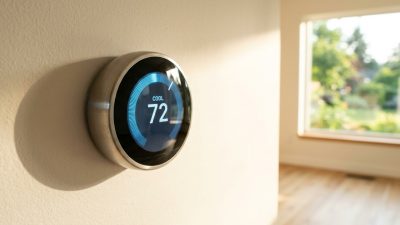
Researchers put the upper edge of safe indoor comfort at 78 degrees, and sustained exposure above 86 is a serious…


Extreme heat kills about 700 people in the United States every year, the CDC reports, making it the deadliest weather hazard in the country.
It outpaces hurricanes, floods, and tornadoes, and it does so quietly. There is no roar of wind or wall of water, just rising temperatures that push the body past what it can handle.
Heat is the exposure that hides in plain sight. It builds through a long afternoon, lingers overnight, and reaches its worst inside homes without cooling, where the people most at risk often have the fewest ways to escape it.
Yes. The CDC reports extreme heat kills about 700 people a year in the United States, more than hurricanes, floods, or tornadoes. Heat does its damage quietly, without the visible force of other disasters, which is part of why it is often underestimated.
Your body cools itself by sweating, and sweat works by evaporating off your skin. When the air is humid, sweat cannot evaporate, so the cooling stops. That is why the heat index, which combines temperature and humidity, matters more than the temperature alone.
Heat exhaustion brings heavy sweating, weakness, dizziness, and nausea, and it is a warning sign. Heat stroke is a life-threatening emergency where the body's core temperature passes 104 degrees and its cooling system fails, causing hot skin, confusion, and collapse. Heat stroke requires a 911 call.
Older adults, young children, outdoor workers, and people without air conditioning. The CDC notes that lack of AC is the strongest predictor of death during a heat wave, and adults 65 and older account for a large share of heat deaths.
Yes. Diuretics, some blood pressure medications, and many psychiatric drugs interfere with the body's ability to sweat or regulate temperature. If you take a prescription and are unsure, ask your doctor or pharmacist whether it raises your risk in hot weather.
Homes without cooling absorb heat all day and stay dangerously hot into the night. During major heat waves, most victims are found inside their homes, often older adults living alone who have no air conditioning or do not turn it on to save money.
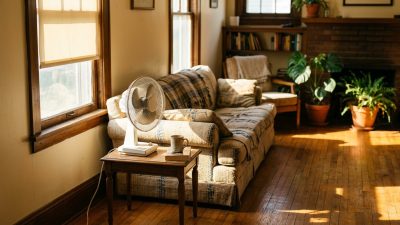
No. The CDC warns that once temperatures climb above the mid-90s, a fan does little to cool the body because it only moves hot air. A cool shower, damp cloths, or time in an air-conditioned space works far better. Cooling centers exist for exactly this reason.
Through the urban heat island effect. Pavement, rooftops, and buildings absorb and hold heat, so the EPA reports urban areas can run 1 to 7 degrees hotter by day and 2 to 5 degrees hotter at night than nearby rural areas. Neighborhoods with the least tree cover heat up the most.
Extreme heat is a stretch of temperatures far above the normal range for a place and time of year, usually lasting 2 or more days. The National Weather Service issues heat warnings based on the heat index, a number that combines air temperature and humidity to reflect what the body actually feels.
Humidity is what makes heat dangerous. Your body cools itself by sweating, and sweat works by evaporating off the skin. When the air is already thick with moisture, sweat cannot evaporate, and the cooling stops. That is why a 95-degree day at high humidity can be more dangerous than a hotter, drier one. The NWS considers a heat index above 103 degrees Fahrenheit dangerous, and above 125 extremely so.
The threat is growing. The EPA reports that heat waves in major US cities have become more frequent, longer, and more intense since the 1960s, rising from an average of two per year in the 1960s to six per year in the 2010s and 2020s. The heat season now stretches about 45 days longer than it did in the 1960s, which means more days each year when the temperature reaches a level the body struggles to manage.
Heat overwhelms the body's cooling system in stages, and each stage is more dangerous than the last. Heat cramps come first, painful muscle spasms brought on by heavy sweating and lost salt. Heat exhaustion follows, with heavy sweating, weakness, dizziness, nausea, and a fast, weak pulse, the CDC reports.
Heat stroke is the emergency. It happens when the body's core temperature climbs above 104 degrees Fahrenheit and its cooling system fails entirely. The skin turns hot and often dry, confusion sets in, and the person can lose consciousness. Heat stroke can kill or cause permanent organ damage within minutes, the CDC warns, and it demands a 911 call, not a wait-and-see approach.
The strain reaches the heart too. Keeping cool forces the heart to work harder, pumping more blood to the skin, and that added load raises the risk of heart attack and stroke in people with cardiovascular disease. Heat also thickens the blood and drops blood pressure, which is why so many heat deaths involve existing heart conditions rather than heat stroke alone.
Heat does not strike evenly. Older adults face the greatest danger. The CDC reports that people 65 and older account for a large share of heat-related deaths, because the body's ability to regulate temperature declines with age, and many older adults take medications or live with conditions that raise the risk further.
Others carry added danger for their own reasons. Young children heat up faster than adults and depend on caregivers to keep them cool and hydrated. Hot cars are a specific and preventable threat: the interior of a parked car can reach 110 degrees within minutes even on a mild day, and heatstroke in vehicles kills an average of 37 children a year, according to the National Safety Council.
Outdoor workers face the exposure head-on. Farmworkers, construction crews, and delivery drivers work through the hottest hours, and heat kills dozens of US workers each year, the Bureau of Labor Statistics reports, with many more hospitalized. People without air conditioning are among the most vulnerable of all, since the CDC notes that lack of AC is the strongest predictor of death during a heat wave. Certain medications add risk too. Diuretics, some blood pressure drugs, and many psychiatric medications interfere with the body's ability to sweat or regulate temperature, which is why people on these prescriptions need to take extra care.
Closing the door does not shut out a heat wave. A home without cooling absorbs heat all day through its walls, roof, and windows, and that heat stays trapped inside long after the outdoor temperature drops. A house can stay dangerously hot well into the night, which is when heat often does its worst.
Overnight temperatures are the hidden danger. The body needs a cool period to recover from daytime heat, and when nights stay warm, that recovery never comes. The EPA reports that overnight low temperatures are rising faster than daytime highs across much of the country, which removes the relief people once counted on. A stretch of hot days followed by hot nights gives the body no chance to reset, and the strain accumulates.
This is why heat deaths so often happen indoors. During major heat waves, most victims are found inside their homes, not out in the sun. The people who die are frequently older, live alone, and either have no air conditioning or do not turn it on to save money. The home meant to be a refuge becomes the place where the exposure is most concentrated and hardest to escape.
A heat wave rarely arrives alone. It worsens the air you breathe. Heat speeds the chemical reaction that forms ground-level ozone, so the hottest days are often the highest ozone days, the EPA reports. Heat and wildfire smoke frequently overlap as well, which forces an impossible choice: open windows for relief and let smoke in, or keep them shut and trap the heat.
The built environment makes it worse. Cities run hotter than the countryside around them because pavement, rooftops, and buildings absorb and hold heat, an effect the EPA calls the urban heat island. Daytime temperatures in urban areas can run 1 to 7 degrees higher than nearby rural areas, and nighttime temperatures 2 to 5 degrees higher. The neighborhoods that heat up most are often those with the least tree cover, and a 2021 study in the journal Climate found that formerly redlined neighborhoods remain significantly hotter than other parts of the same cities decades later.
Power failure ties the risks together. Heat waves drive electricity demand to its peak as air conditioners run at full capacity, and that demand can overload the grid and cause blackouts. A blackout during a heat wave is a worst-case event, cutting off cooling for entire neighborhoods at the exact moment people need it most, which is why utilities and emergency managers treat summer grid reliability as a matter of life and death.
Stay ahead of the heat, because the danger builds before you feel it. Sign up for local heat alerts, and check the NWS heat index rather than the temperature alone. On dangerous days, plan errands and outdoor activity for the early morning, and treat the afternoon as time to stay cool and hydrated.
Cool the body directly when the air is hot. Drink water regularly rather than waiting for thirst, and skip alcohol and heavy meals that add to the strain. If your home has no air conditioning, do not try to ride out a heat wave inside a hot house. The CDC advises spending time in an air-conditioned place, and most communities open cooling centers during extreme heat, listed through local health departments and 211. A fan alone is not enough once the temperature climbs above the mid-90s, the CDC warns, because moving hot air does little to cool the body. A cool shower or damp cloths on the skin work better.
Check on the people most at risk, since heat deaths so often happen to those who are alone. Call or visit older neighbors and relatives during a heat wave, especially anyone living without air conditioning. Never leave a child or pet in a parked car, not even for a minute. Know the signs of heat stroke, hot skin, confusion, and collapse, and call 911 immediately if you see them while you cool the person down. Over the longer term, shade windows, plant trees, and add insulation to keep a home cooler, and ask your utility about assistance programs if the cost of running air conditioning is what keeps you from using it.
Researchers put the upper edge of safe indoor comfort at 78 degrees, and sustained exposure above 86 is a serious…
The federal HeatRisk scale grades outdoor air, but 4 of its 5 levels hinge on whether someone can cool off…
Air quality, mold, EMF, light and water all shape how a house feels and how the people in it feel. Whatever your concern is, the first step is finding out what is there.
Our certified team of environmental professionals and advocates can help.