


Indoor heat can turn dangerous even if you’re young and healthy
Researchers put the upper edge of safe indoor comfort at 78 degrees, and sustained exposure above 86 is a serious health risk for anyone. A sealed room keeps releasing the day's heat after sunset.
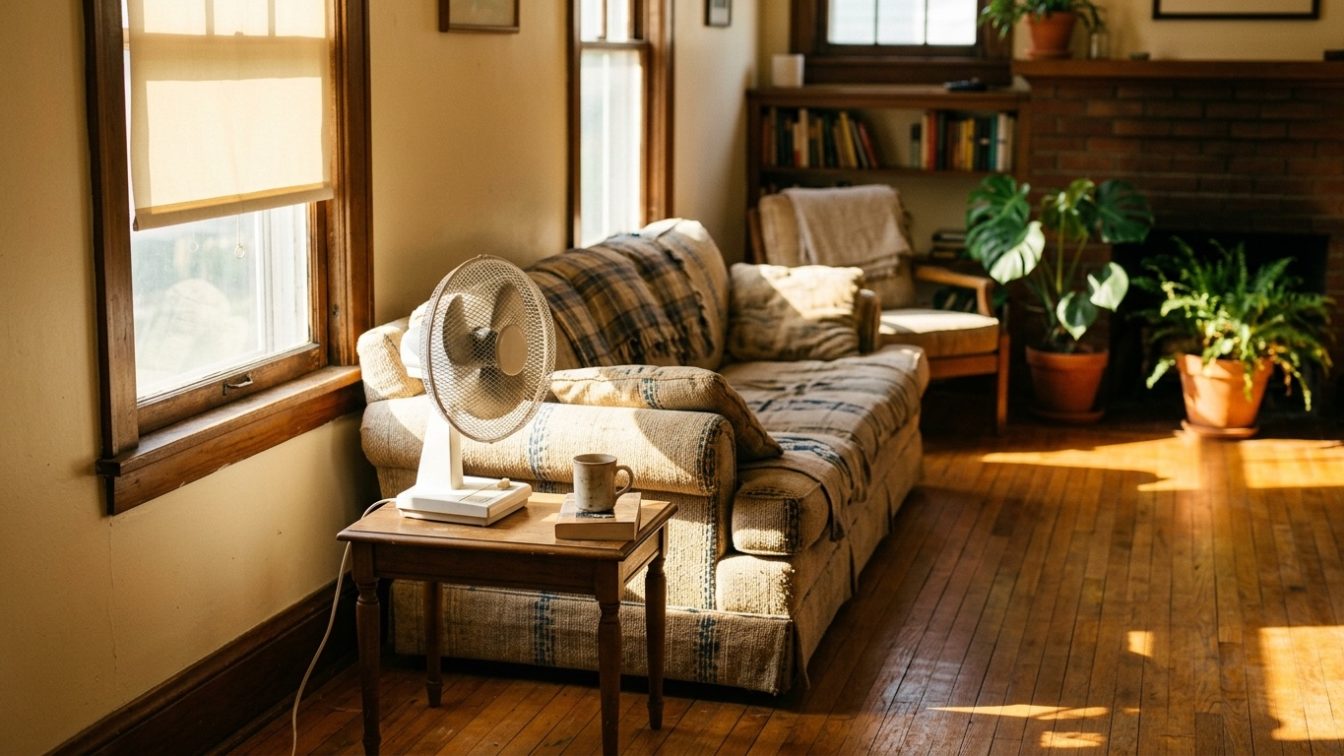
Table of contents
Summary of this article
- Indoor heat threatens everyone, not just vulnerable groups. Researchers have documented homes reaching dangerous indoor temperatures that put even young, healthy adults at risk during heat waves.
- Homes keep heating after sunset. Heat stored in walls, roofs, and furnishings during the day continues radiating for hours, which is why indoor temperatures often peak in the evening or overnight.
- Overnight bedroom temperature is the critical metric. Health researchers identify high nighttime temperatures as especially dangerous because the body cannot cool its core and recover from daytime heat.
- The safe indoor ceiling is 78°F. Sustained indoor exposure above 86°F poses a serious health risk regardless of age or fitness.
- Source control outperforms reactive cooling. Blocking heat at windows, roof, and walls before it enters keeps a home in the safe range longer and cuts reliance on air conditioning.
Indoor heat kills healthy people. Not just the elderly, not just those with heart conditions, fit, young adults with no medical history face real risk when their homes overheat during a heat wave. Researchers writing in The Conversation documented indoor temperatures climbing to dangerous levels inside ordinary homes, and the finding upends a common assumption: that heat illness is a problem only for the vulnerable.
The building is the hazard. A home that absorbs heat through the day and releases it through the night becomes a slow-cooking chamber, and the people inside have no way to escape the exposure while they sleep. Your age does not change the physics of a poorly performing thermal envelope.
This is a building-biology problem before it is a medical one. The core question is not how healthy you are. It is how much heat your home lets in, how long it holds that heat, and whether your bedroom stays below the threshold your body needs to recover overnight.
Why Healthy Adults Are Still at Risk
The human body cools itself by sweating and by shedding heat to cooler surrounding air. Both mechanisms fail when the surrounding air stops being cooler.
During a prolonged heat wave, indoor air can match or exceed outdoor temperatures, especially at night. When that happens, the body loses its escape route. A young, fit person generates the same metabolic heat as anyone else, and if the room around them offers no relief, core temperature climbs. Heat exhaustion and heat stroke follow the same path regardless of fitness level.
Sleep makes the danger worse. A person asleep cannot notice rising temperatures, cannot rehydrate, and cannot move to a cooler space. Health researchers note that high overnight temperatures are particularly dangerous because there is no time for the body’s core temperature to cool down and recover from daytime heat. The overnight hours are supposed to be the recovery window. When the bedroom stays hot, that window closes.
Homes Keep Heating After the Sun Goes Down
The most counterintuitive finding is timing. Indoor temperatures often peak in the evening or overnight, hours after the outdoor high.
This happens because of thermal mass. Walls, roofs, floors, and furniture absorb heat all day. That stored heat does not vanish when the sun sets, it keeps radiating into the living space long after outdoor temperatures fall. A home that felt merely warm at 3 p.m. can become dangerously hot at 10 p.m., because the structure itself has turned into a radiator releasing the heat it banked during the day.
Poorly insulated homes hold this heat longest. Without adequate insulation, there is nothing to slow the transfer of stored heat into the rooms where people sleep. The result is a bedroom that stays above the safe threshold through the entire night.
The Thresholds That Matter
Numbers make the risk manageable. Two thresholds define the safe zone.
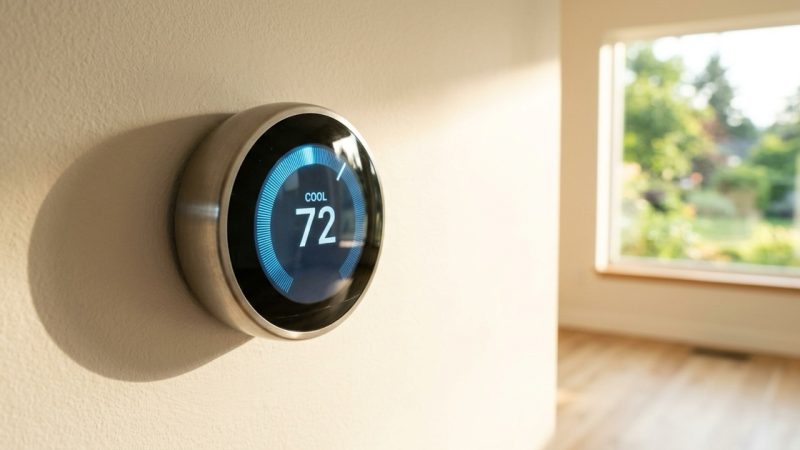
The upper edge of safe indoor comfort during hot weather is 78°F. Sustained indoor exposure above 86°F poses a serious health risk to anyone, regardless of age or physical condition. The overnight bedroom temperature is the single most important measurement, because that is when the body needs to recover and when a sleeping person is least able to protect themselves.
If your bedroom sits above 78°F at bedtime and does not drop through the night, your home is failing the one job that matters most during a heat wave. That is true whether you are 25 or 75.
The Four Pathways Heat Uses to Get In
Heat enters a home through four routes. Each pathway has a targeted fix, and auditing your home means checking all four.
- Radiation through windows
- Windows are the largest source of unwanted heat gain in most homes. Direct sunlight passing through glass delivers solar energy straight into the room, and once it is inside, it becomes heat you have to remove.
- Conduction through walls and roof
- Heat moves through solid materials from hot to cool. On a hot day, the outer surface of your roof and walls heats up, and that heat conducts inward through the structure. The roof is the worst offender because it takes the most direct sun.
- Convection through gaps and cracks
- Hot outdoor air leaks in through gaps around doors, windows, and utility penetrations. During the day, every unsealed gap is an entry point for hot air.
- Internal gains from appliances
- Ovens, clothes dryers, dishwashers, and incandescent bulbs all release heat directly into the living space. These are sources you control completely.
Source Control: Stop the Heat Before It Enters
Building biology treats heat like any indoor pollutant. You control it at the source, not after it fills the room. Every degree of heat you block from entering is a degree you do not have to fight later.
- Shade the glass from outside
- Exterior shading, awnings, exterior shutters, or planted trees, stops solar heat before it passes through the glass. The U.S. Department of Energy notes that exterior shading is far more effective than interior blinds, because once sunlight enters the glass, the heat is already inside. Low-emissivity window film adds another layer of protection by reflecting solar energy.
- Insulate the roof and attic first
- The attic is where the most heat enters through conduction. Adequate attic insulation slows that transfer and keeps the living space closer to the safe range for longer during a heat event.
- Reflect the roof
- Cool roofs and light-colored surfaces reflect solar radiation instead of absorbing it. The Department of Energy estimates that reflective roofing can stay up to 50°F cooler at the surface than a standard dark roof under peak sun.
- Seal the envelope
- Air sealing around doors, windows, and penetrations stops hot outdoor air from leaking in during the hottest hours.
Practical Fixes You Can Do This Week
Some fixes require contractors. Others you can complete before the next heat wave.
- Flush heat overnight
- Open windows during the coolest hours, typically after midnight and before dawn, to vent the heat stored in your home’s thermal mass. Then close and shade everything before the day heats up. This night-flush strategy can lower indoor temperatures several degrees without any air conditioning.
- Move internal heat sources
- Cook outside or use a microwave instead of the oven during heat waves. Run the dishwasher and dryer at night. Switch remaining incandescent bulbs to LEDs, which produce a fraction of the heat.
- Use fans correctly
- Ceiling and portable fans make a room feel roughly 4°F cooler through air movement, according to the Department of Energy. Fans cool people, not rooms, so run them only when someone is present.
- Create a cool room
- You do not need to cool the whole house. Designate one well-insulated, shaded room, ideally on the north side and a lower floor, as a refuge for the hottest hours and for sleeping during extreme events.
Audit Your Home: A Measurable Checklist
You cannot manage what you do not measure. Turn guesswork into data with a few simple steps.
Place an inexpensive thermometer or a $20 hygrometer in your main living area and your bedroom.
Record the temperature at bedtime and again in the early morning during a hot spell.
If the bedroom reads above 78°F at bedtime and stays there overnight, your envelope is losing the heat battle.
Check each pathway: Do windows get direct sun? Is the attic insulated? Do you feel hot air leaking around doors and windows? Which appliances add heat?
Fix the pathway delivering the most heat first, usually windows, then the roof and attic.
The finding from The Conversation carries a plain message. Heat illness is not reserved for the elderly or the sick. A hot home is a hazard to everyone inside it, and the fix is not better health, it is a better-performing building. Measure your bedroom temperature tonight. If it sits above the safe threshold, your home, not your age, is the risk you need to address.
Sources
- The Conversation. Heat waves can leave homes dangerously hot, even for young, healthy adults
- U.S. Department of Energy, guidance on window shading, cool roofs, attic insulation, air sealing, and fan use
- U.S. Centers for Disease Control and Prevention, guidance on heat illness and indoor temperature safety
Questions people ask
Can a young, healthy adult really get heat illness at home?
Yes. The body cools itself by shedding heat to cooler surrounding air, and when indoor air matches or exceeds outdoor temperatures during a heat wave, that mechanism fails for everyone. Fitness does not change the physics, researchers have documented indoor temperatures reaching dangerous levels for young, healthy adults with no medical conditions.
Why does my home feel hotter at night than during the day?
Thermal mass. Walls, roofs, floors, and furniture absorb heat throughout the day and keep radiating it into your living space for hours after sunset. In poorly insulated homes, indoor temperatures often peak in the evening or overnight, well after the outdoor high.
What indoor temperature is unsafe?
The upper edge of safe indoor comfort is 78°F. Sustained indoor exposure above 86°F poses a serious health risk to anyone regardless of age. High overnight bedroom temperatures are the most dangerous because the body cannot cool its core and recover from daytime heat.
What is the single most effective fix?
Shade your windows from the outside. Windows are the largest source of heat gain, and the U.S. Department of Energy notes exterior shading is far more effective than interior blinds because once sunlight passes through glass, the heat is already inside.
How do I lower my home's temperature without air conditioning?
Flush the stored heat overnight. Open windows during the coolest hours after midnight, then close and shade the house before the day heats up. This night-flush strategy can drop indoor temperatures several degrees. Move heat-generating appliances to nighttime use and run fans when people are present.
How can I tell which pathway is heating my home most?
Audit each route. Check whether windows get direct sun, whether your attic is insulated, whether hot air leaks around doors and windows, and which appliances add heat. In most homes, windows deliver the most heat, followed by the roof and attic. Fix the biggest source first.


Have questions about the environment inside your home?
Air quality, mold, EMF, light and water all shape how a house feels and how the people in it feel. Whatever your concern is, the first step is finding out what is there.
Our certified team of environmental professionals and advocates can help.