


Jet skis scarred this Florida seagrass bed. A hurricane showed what happens when they stop
When Hurricane Milton closed the Dunedin Causeway, seagrass and native wildlife returned during the months nobody could launch. The shutdown created a real-world test of what repeated jet ski traffic had been doing.
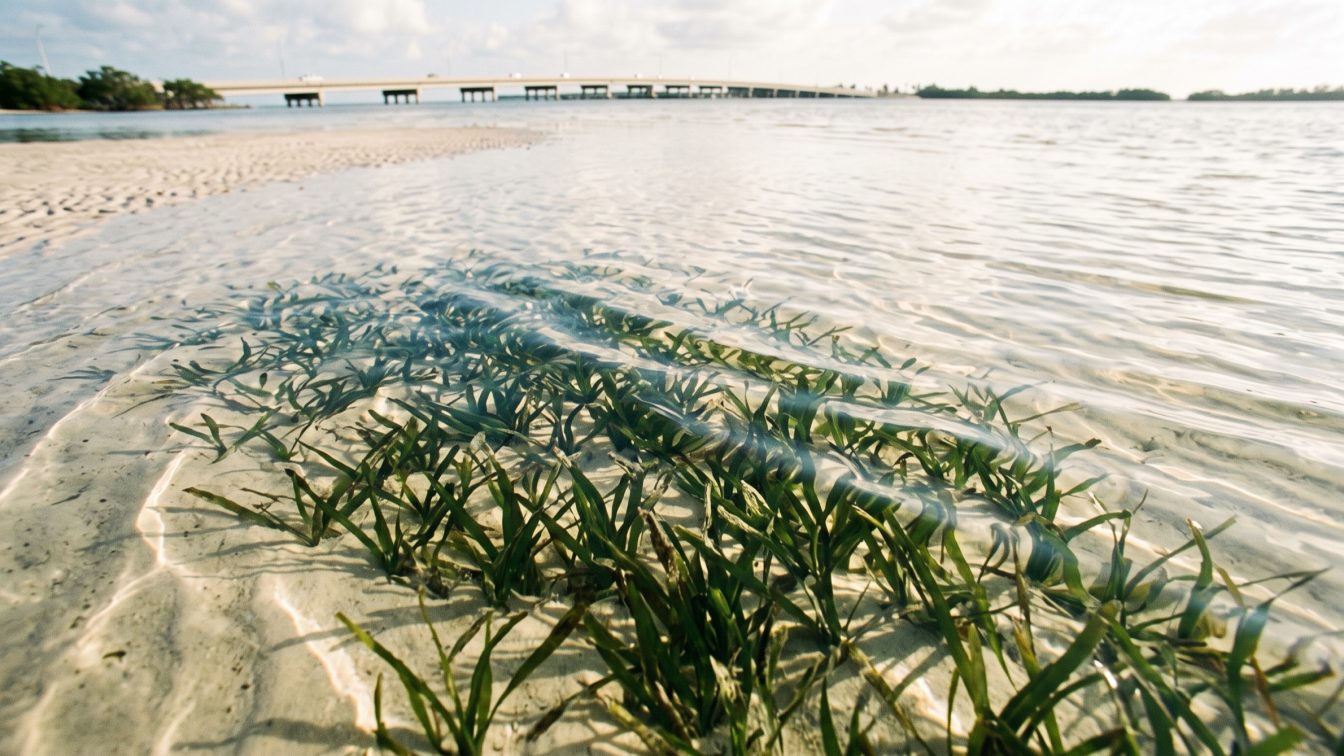
Table of contents
Summary of this article
- The Dunedin City Commission voted 4-0 on July 23 to advance an ordinance banning the launch and retrieval of motorized watercraft from the south side of the Dunedin Causeway, which connects Dunedin to Honeymoon Island State Park, according to WUSF reporting by Matthew Reed of St. Pete Catalyst.
- Hurricane Milton's closure of the Causeway acted as an accidental experiment. During the no-launch period, City Manager Jennifer Bramley reported "a resurgence of seagrass, a resurgence of the native wildlife," plus fewer parking and trash problems.
- Boat scarring is slow to heal. Parks & Recreation Director Tony Mulkey said "it can take 10 years for boat scarring to recover in a seagrass bed," which are "vital for flora and fauna of the sound and the waterway itself."
- There's a safety record too. The Fire Chief reported 2 jet ski fatalities since 2020, and the Pinellas County Sheriff's Office documented 80 personal watercraft incidents between January 2022 and April 2026.
- Access isn't eliminated. Motorized vessels can still operate in St. Joseph Sound and the Intracoastal Waterway, and other public and private boat ramps remain available. A second public hearing is scheduled for September 3.
Sometimes the clearest proof of what’s harming a place is what happens when the harm stops. That’s exactly what unfolded along the Dunedin Causeway, the scenic roadway connecting Dunedin to Honeymoon Island State Park and one of northern Pinellas County’s most popular waterfront spots.
When Hurricane Milton forced the Causeway to close, it also cut off the steady stream of jet skis and motorboats being launched from its shoreline. During that unplanned pause, something happened that no study had to prove: the seagrass came back. So did the native wildlife. WUSF, in partnership with Matthew Reed of St. Pete Catalyst, reported the story on July 29, 2026.
Now the Dunedin City Commission wants to make that recovery permanent. On July 23, it voted 4-0 to advance an ordinance banning the launch and retrieval of motorized watercraft from the south side of the Causeway. For anyone who swims, fishes, paddles, or simply cares about the health of St. Joseph Sound, this is a case study in a core building-biology idea: the most effective way to protect a place is to stop the damage at its source, not to clean up after it.
The accidental experiment
You rarely get a controlled experiment in the real world. Hurricane Milton delivered one by accident.
For the length of the closure, the south shoreline of the Causeway saw no motorized launches. And the change was visible. “During the time that the Causeway has been closed to motorized watercraft launching, there has been a resurgence of seagrass, a resurgence of the native wildlife,” City Manager Jennifer Bramley said. “The parking issues are no longer there, the trash issues are no longer there.”
That’s a lot of information packed into one observation. Remove a single activity, shoreline launching, and multiple problems ease at once: the seagrass, the wildlife, the parking, the trash. When pulling one lever fixes several issues, it’s a strong signal you’ve found the actual source of the trouble, not just a symptom.
Why seagrass is worth protecting
To understand why the seagrass rebound matters, it helps to know what seagrass actually does. It’s not just underwater scenery. It’s living infrastructure.
Seagrass beds are, in Mulkey’s words, “vital for flora and fauna of the sound and the waterway itself.” The blades slow moving water so suspended sediment settles out instead of clouding the sound. The roots hold that sediment in place. The plants absorb excess nutrients that would otherwise feed algae blooms. And the beds shelter the fish, crabs, and other creatures that make up the coastal food web.
Healthy seagrass is a water filter and a nursery rolled into one. When you protect it, you protect water clarity, wildlife, and the fishing that draws people to the water in the first place. Lose it, and the whole system downstream suffers.
The exposure pathways: how launching damages the water
A shoreline launch site is a concentration point. Everyone puts in and takes out at the same spot, which multiplies the impact in that one stretch of shallow water. Several distinct exposure pathways come together there, each one a route by which the activity degrades the habitat.
Prop scarring does the headline damage. When a motorized watercraft runs through shallow water over a seagrass bed, the propeller cuts through the plants and gouges the bottom, leaving scars. Because launching happens in the shallowest water, right at the shoreline, it hits the seagrass directly and repeatedly.
Sediment disturbance. Motors churning in shallow water stir up bottom sediment. That clouds the water, blocking the sunlight seagrass needs to grow, and can carry settled material back into the water column. Murky water is starved water for a plant that lives on light.
Noise. Engine noise disturbs the native wildlife that depends on these quiet shallows. The wildlife resurgence Bramley described during the closure suggests just how much the constant activity had been pushing animals away.
Safety. Concentrated motorized traffic at a busy shoreline mixes fast watercraft with swimmers, kayakers, and anglers. That’s the human exposure pathway, and it comes with a documented record. Restoration works on the same logic in an estuary, where Apalachicola’s oyster reefs fell from 2,000 acres to under 100.
The measurable thresholds
What makes this case compelling is that the numbers are concrete, not vague.
The most important one is the recovery timeline. “It can take 10 years for boat scarring to recover in a seagrass bed,” Mulkey said. That single figure reframes the whole debate. A prop scar isn’t a scratch that heals over the weekend. It’s a decade-long wound. Damage that takes ten years to undo is, for practical purposes, damage you have to prevent, because you cannot keep up with it after the fact. Every launch season that adds new scars outpaces a recovery clock that runs in decades.
Then there’s the safety record. The Fire Chief reported two jet ski fatalities since 2020. The Pinellas County Sheriff’s Office documented 80 personal watercraft incidents between January 1, 2022, and April 30, 2026. Those aren’t abstractions. They’re a measurable pattern of harm tied to concentrated personal watercraft activity in this area.
Put the two together, a 10-year recovery timeline for the habitat and a documented tally of incidents for people, and you have both an ecological and a human-safety case measured in real terms.
Source control at the launch point
Here’s the building-biology lens brought into focus. Source control means addressing a problem at its root rather than managing the consequences downstream. You seal the leak instead of endlessly mopping the floor.
The launch point is the source. It’s the specific place where the prop scarring, the sediment stirring, the noise, and the safety conflicts all originate. The ordinance doesn’t try to filter the sediment out of the water, restore scarred beds one by one, or add more patrols to manage crowded traffic after the fact. It removes the activity at the exact point where the harm begins.
That’s why the hurricane’s accidental pause worked so well as evidence: source control, by accident. Stop launching at the shoreline, and the cascade of downstream problems eases on its own. The ordinance simply proposes to keep doing on purpose what the storm did by chance. Florida’s marine policy does not always follow its own numbers: a shark-feeding ban passed on a risk of 25 to 30 bites a year.
Access isn’t eliminated, it’s relocated
A common worry with any ban is that it locks people out of the water. That’s worth addressing directly, because this ordinance is narrower than it might first appear.
The rule targets shoreline launching from the south side of the Causeway specifically. Motorized vessels can still operate in St. Joseph Sound and the Intracoastal Waterway. Other public and private boat ramps throughout northern Pinellas County remain available. In building-biology terms, this is targeted source control: it addresses the one high-impact point where launching damages sensitive shallow seagrass, while leaving the broader activity intact elsewhere.
The debate over how to do that was real. During more than three hours of public testimony, opponents argued the rule punishes responsible riders for the actions of a few, and floated alternatives, permits, registration systems, or stronger enforcement of existing laws, to preserve shoreline access. Supporters countered that the ordinance would reduce noise, protect wildlife, and restore seagrass. City staff noted that building a formal, managed launch area would require additional permitting, accessibility upgrades, and ongoing costs that user fees wouldn’t cover.
Commissioner Sandbergen captured the tension. “I used to be part of that jet ski crowd, and it was a heck of a good time,” he said. “You guys are passionate. It’s more than a hobby.” Then he added: “I represent and work for the citizens of Dunedin … I will be voting in favor of the ordinance.”
What the ordinance would change at the ramp
The Dunedin Causeway story is a template you can apply well beyond one shoreline. The lessons travel.
Prevent damage that takes a decade to heal. A 10-year seagrass recovery timeline means prevention beats restoration every time. If you boat, avoid running motors in shallow water over grass beds, and learn to read the water for the darker patches that signal seagrass below.
Respect the source, not just the symptom. When one change eases several problems at once, as the closure did for seagrass, wildlife, parking, and trash, that’s your signal you’ve found the real source. Support fixes aimed there.
Use the alternatives that exist. This ordinance doesn’t end boating; it redirects it to St. Joseph Sound, the Intracoastal, and established ramps. Choosing deeper, designated launch points over sensitive shallows is source control you can practice yourself.
Cut your own contribution to murky water. Sediment and nutrients starve seagrass of light. Follow local fertilizer rules and keep vegetated buffers along waterways to help the beds recover.
Show up for the process. A second public hearing is scheduled for September 3. Local water-management decisions like this one are shaped by who participates.
As Rich Santoro, a 35-year Dunedin resident who supported the ordinance, put it: “What we’re talking about here is just one of the symptoms. It’s not the complete disease up there. This place has to get managed better.”
That’s the heart of it. A hurricane showed, by accident, what the shoreline looks like when the damage stops. The seagrass answered in a way no argument could. Whether the recovery lasts now depends on whether the pause becomes a plan.
Sources
- WUSF/St. Pete Catalyst, Matthew Reed. Dunedin Causeway faces new rules for personal watercraft (2026) (July 29, 2026):
Questions people ask
What did the Dunedin City Commission vote on?
On July 23, the commission voted 4-0 to advance an ordinance prohibiting the launch and retrieval of motorized watercraft from the south side of the Dunedin Causeway, which connects Dunedin to Honeymoon Island State Park. The vote was on first reading, with a second public hearing scheduled for September 3, according to WUSF and St. Pete Catalyst.
How did Hurricane Milton factor into this?
Hurricane Milton closed the Causeway, which also stopped motorized watercraft launches there. During that pause, City Manager Jennifer Bramley reported "a resurgence of seagrass, a resurgence of the native wildlife," along with fewer parking and trash problems. It served as an accidental demonstration of what happens when shoreline launching stops.
Why is seagrass so important?
Seagrass beds are "vital for flora and fauna of the sound and the waterway itself," per Parks & Recreation Director Tony Mulkey. They filter water by settling out sediment, hold the bottom in place, absorb excess nutrients that fuel algae, and shelter fish and other wildlife. They act as both a natural water filter and a nursery.
How long does seagrass take to recover from boat damage?
Mulkey said "it can take 10 years for boat scarring to recover in a seagrass bed." Because that recovery is measured in a decade, preventing the damage is far more effective than trying to restore scarred beds after the fact.
What are the safety concerns?
The Fire Chief reported two jet ski fatalities since 2020, and the Pinellas County Sheriff's Office documented 80 personal watercraft incidents between January 1, 2022, and April 30, 2026, a measurable record of harm tied to concentrated personal watercraft activity in the area.
Does the ordinance ban all boating?
No. It targets shoreline launching from the south side of the Causeway. Motorized vessels can still operate in St. Joseph Sound and the Intracoastal Waterway, and other public and private boat ramps throughout northern Pinellas County remain available.
Have questions about the environment inside your home?
Air quality, mold, EMF, light and water all shape how a house feels and how the people in it feel. Whatever your concern is, the first step is finding out what is there.
Our certified team of environmental professionals and advocates can help.