


Old factory land near Iowa homes carries lead, arsenic and solvent risk
The EPA sent $6.9 million to Keokuk, Burlington, Dyersville, Dubuque and a regional planning group to assess and clean contaminated industrial parcels. Keokuk's 80-acre Elkem-Carbide site took $4.4 million.
Table of contents
Summary of this article
- EPA Region 7 directed roughly $6.9 million in brownfields grants to five eastern Iowa cities, announced during Administrator Jim Macy's site tour on August 11 to 12, 2026.
- Keokuk received a $4.4 million grant to continue cleaning its 80-acre former Elkem-Carbide plant, which produced carbon-based products until the late 1980s.
- Burlington's $1 million Multipurpose, Assessment, and Cleanup Grant will fund work at three priority properties plus environmental assessments at 73 community-vetted sites.
- A brownfield is any property where reuse is complicated by known or suspected contamination, and the exposure risk to neighbors travels through soil, dust, and groundwater.
- Before buying or renting near a brownfield, request a Phase I Environmental Site Assessment, test soil and water, and check the EPA's Cleanups in My Community database.
Lead, arsenic and industrial solvents can sit in the ground for decades after a factory closes, and they don’t stop at the fence line. If you live next to old industrial land in eastern Iowa, or you’re eyeing a house near it, what’s buried there can reach your yard, your dust and your well.
The U.S. Environmental Protection Agency directed $6.9 million in brownfields grants to five eastern Iowa cities, the agency confirmed in an August 12, 2026 press release. EPA Region 7 Administrator Jim Macy toured the sites in person on August 11 and 12, meeting city leaders in Keokuk, Burlington, Dyersville, and Dubuque.
That money will assess and clean old industrial parcels, the kind that sits quietly in a neighborhood long after the last shift ended. Most people drive past without a thought. For families next door, the land carries real health stakes.
“Not only am I seeing the sites and communities being redeveloped, but I’m also able to listen and learn from our stakeholders in the Heartland so that we can continue to find practical, long-lasting solutions to their problems,” Macy said.
What a brownfield is
A brownfield is a property where redevelopment gets complicated by contamination that’s present, or likely present, in the ground. That covers more places than you’d guess.
Think former gas stations, old dry cleaners, shuttered auto shops, vacant manufacturing lots. What’s left behind depends on what happened there: petroleum, solvents, heavy metals, or the leftovers of chemical production.
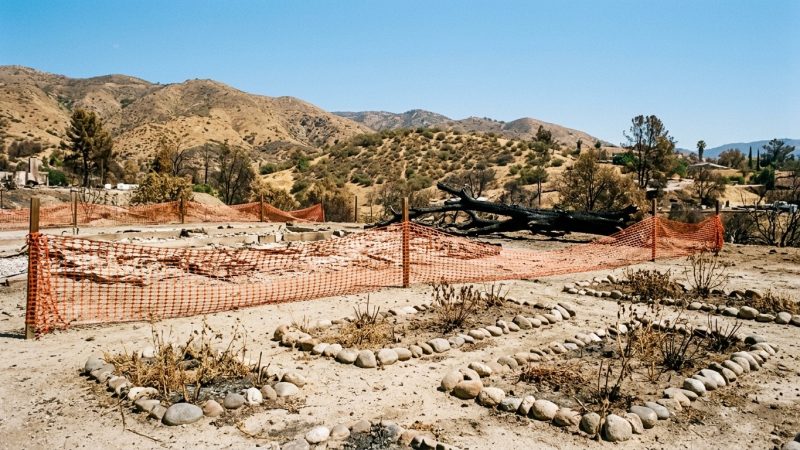
Keokuk shows how long the problem lingers. The former Elkem-Carbide plant made carbon-based products on-site until the late 1980s, when it closed. Forty years later, the 80-acre parcel still needs cleanup before anyone can safely use it again. Earlier in 2026, Keokuk received a $4.4 million grant to keep that work going.
Where the $6.9 million goes
The EPA rarely cleans brownfields itself. It sends money to cities, counties, and regional planning bodies, which run the assessments and cleanups closer to home. The August announcement covered four funding streams, each doing a different job.
Keokuk got $4.4 million to finish a cleanup. The largest award pays for ongoing work at the 80-acre Elkem-Carbide site.
Burlington got $1 million to assess and clean. Burlington’s Multipurpose, Assessment, and Cleanup (MAC) Grant covers work at three priority properties the city already picked. After those, the city plans environmental assessments at 73 community-vetted sites in a set target area.
The Southeast Iowa Regional Planning Commission got $1 million to investigate. SEIRPC, which serves four counties, will use its Assessment Grant for 25 environmental assessments and for work at six community-identified properties in Donnellson, Fort Madison, and Keokuk.
Dyersville got $500,000 to keep money moving. Its Revolving Loan Fund grant finances cleanup as a loan. When the loan gets repaid, the money funds the next cleanup. The fund runs through the East Central Intergovernmental Association, which serves Dyersville and nearby communities.
Dubuque rounded out the tour with a look at past and present projects, including the North and South Ports, the historic Millwork District, the Bee Branch Watershed, and Comiskey Park.
When you hear a nearby lot is being “assessed” or “redeveloped with a grant,” that usually means contamination was found or suspected, and that a paper trail now exists showing what’s in the ground.
How a brownfield next door can reach your family
Contamination doesn’t respect property lines. It can travel to neighbors three ways.
Soil. Metals and industrial chemicals settle into the ground and stay there. Children face the highest risk, because they play close to the ground and put their hands in their mouths. A single vacant lot can shed dirty soil onto neighboring yards through wind and runoff.
Dust. When contaminated soil dries out, it goes airborne. That dust blows onto porches, rides indoors on shoes, and settles on floors where people breathe it and swallow it. During redevelopment, digging and demolition can spike dust levels for a while.
Groundwater. Solvents and petroleum can move underground and reach private wells. In some cases they give off vapors that rise into basements, called vapor intrusion. Chlorinated solvents from old dry cleaners are a common source.
The contaminants carry documented health effects. Lead damages the developing nervous system, and there’s no safe blood-lead level for children. Arsenic is a known human carcinogen. Trichloroethylene and other industrial solvents are linked to cancer and organ damage with long-term exposure. Petroleum compounds cause headaches, dizziness, and breathing irritation.
The blind spot that trips up home buyers
A redeveloped brownfield can look flawless. New townhomes, fresh landscaping, a clean parking lot. The surface tells you nothing about what got remediated underneath, or how thoroughly.
Redevelopment can happen without full removal. Some cleanups cap contamination in place under a barrier and rely on “institutional controls,” legal restrictions that, say, ban digging below a certain depth or prohibit growing food in the ground. Those rules protect you only if you know they exist.
That’s why the paper trail from EPA-funded assessments helps you. It gives you something to read before you sign.
Steps to take before you buy or rent nearby
You’ve got more control than you might think. These steps turn a hidden risk into a documented one you can manage.
Order a Phase I Environmental Site Assessment. For any property near former industrial land, a Phase I review digs through historical records, past uses, and known contamination. If it flags concerns, a Phase II adds physical soil and water sampling.
Check the EPA’s public databases. The EPA’s Cleanups in My Community and Superfund site locators let you search by address to see listed and formerly listed properties nearby, along with their cleanup status.
Ask about institutional controls. If the home sits on or beside a redeveloped brownfield, ask straight out whether any deed restrictions or land-use limits apply. Get the documents in writing.
Test your soil and water. Have yard soil tested for heavy metals, especially where children play or where you plan a garden. If you use a private well, test it for the specific contaminants tied to the nearby site.
Cut down on tracked-in dust. Take shoes off at the door, use doormats, keep bare soil covered with grass or mulch, and wet-clean floors instead of dry sweeping. A HEPA-filter vacuum captures fine dust that standard vacuums blow back into the air.
Grow food safely. If soil tests high, use raised beds with clean imported soil, wash and peel produce, and skip planting leafy greens straight in native ground.
The $6.9 million flowing into eastern Iowa will make five communities safer over time. Assessments create records. Cleanups pull contamination out. Revolving funds carry the work from one property to the next. Still, cleanup timelines run for years, and what’s underground stays put while you wait. Federal action does part of the job. The questions you ask, and the steps you take before and after you move in, do the rest.
Sources
- U.S. Environmental Protection Agency, Region 7. U.S. Environmental Protection Agency, Region 7. "EPA Region 7 Visits Eastern Iowa Brownfields Sites." August 12, 2026.
- U.S. Environmental Protection Agency. U.S. Environmental Protection Agency. "Limitless Potential: Keokuk, Iowa, Aims to Revitalize Old Elkem-Carbide Site."
- U.S. Environmental Protection Agency. U.S. Environmental Protection Agency. Brownfields Program.
Questions people ask
What is the difference between a brownfield and a Superfund site?
A brownfield is a property where reuse is complicated by known or suspected contamination, typically handled through local grants and voluntary cleanup. A Superfund site is far more severely contaminated and placed on a national priority list for EPA-led cleanup. Brownfields are generally smaller and more common in everyday neighborhoods.
How do I find out if a property near me is a brownfield?
Search the EPA's Cleanups in My Community database by address or ZIP code. You can also contact your city's economic development office or your state environmental agency, which often maintain lists of assessed and remediated properties.
Is it safe to buy a home built on a former brownfield?
It can be, if the cleanup was thorough and any institutional controls are documented and followed. Request the cleanup records, ask whether contamination was removed or capped in place, and order a Phase I Environmental Site Assessment before you buy.
Can contamination from a nearby lot reach my house?
Yes. Contaminants travel through wind-blown dust, rainwater runoff, and groundwater. Some solvents produce vapors that rise into basements through a pathway called vapor intrusion. Testing your soil, water, and, where relevant, indoor air identifies whether this is happening.
What is a Revolving Loan Fund grant?
It is a grant that finances brownfield cleanup as a loan. When the borrower repays, the money funds the next cleanup, allowing a single pool of federal dollars to support multiple projects over time. Dyersville received a $500,000 Revolving Loan Fund grant in the August 2026 round.
Should I test my soil if I live near a redeveloped brownfield?
Yes, especially if you have young children or plan to garden. Have yard soil tested for heavy metals through a certified lab, focusing on play areas and any spot where you intend to grow food.

Have questions about the environment inside your home?
Air quality, mold, EMF, light and water all shape how a house feels and how the people in it feel. Whatever your concern is, the first step is finding out what is there.
Our certified team of environmental professionals and advocates can help.