


One in five people this seawater bacteria infects will not survive
Vibrio vulnificus caused just 150 to 200 US cases a year, but wound infections along the East Coast rose eightfold from 1988 to 2018 as the ocean warmed, reaching New York and Connecticut.
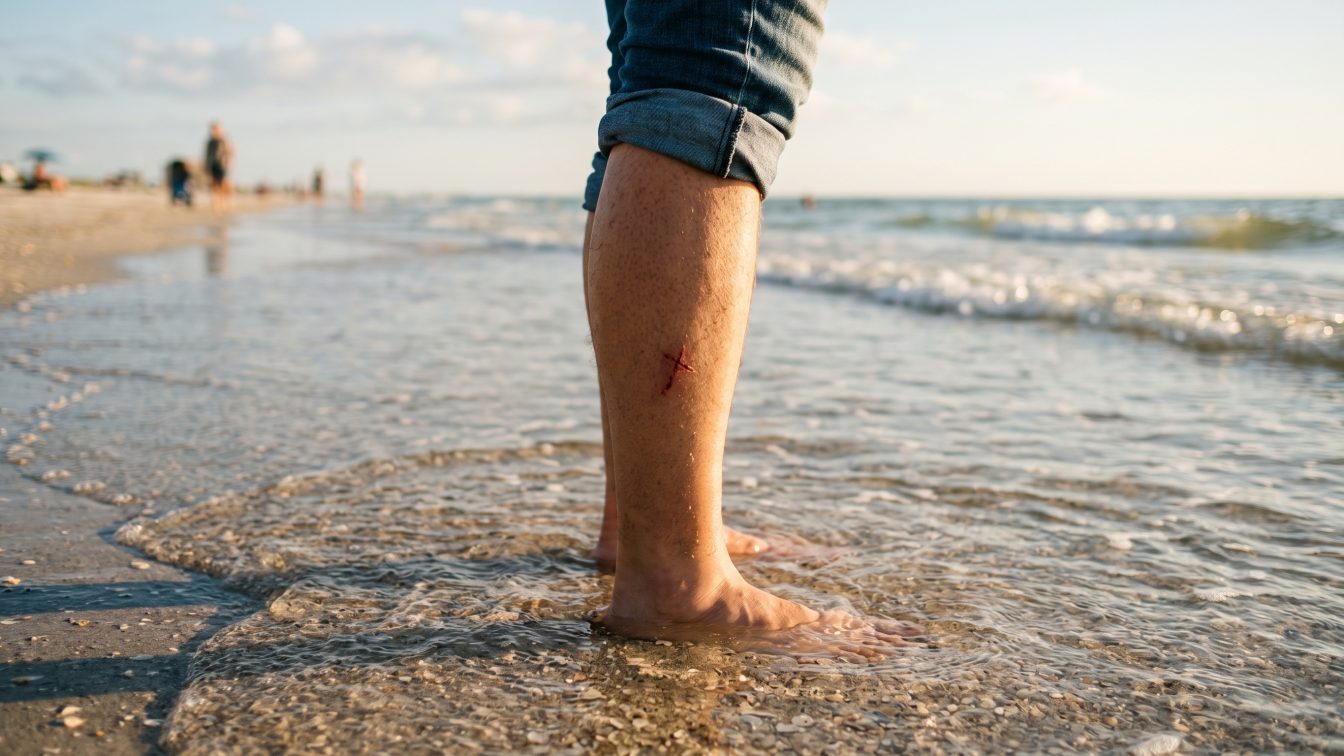
Table of contents
Summary of this article
- Vibrio vulnificus, a flesh-eating bacteria that thrives in warm seawater, causes only 150 to 200 U.S. cases a year, but 1 in 5 people who contract it die, according to the CDC.
- Wound infections increased eightfold on the U.S. East Coast between 1988 and 2018, and the bacteria now reaches as far north as New York and Connecticut as ocean temperatures rise, said William Sullivan, a professor at the Indiana University School of Medicine.
- As of 2026, Louisiana reported 9 cases and 5 deaths, Florida reported 14 cases and 2 deaths, and Maryland reported 72 cases as of late June.
- Two exposure pathways matter: open wounds in warm or brackish water and raw or undercooked shellfish, especially oysters. Most infections occur between May and October.
- Necrotizing fasciitis can be fatal within 48 hours. The single most effective protection is keeping every cut, scrape, tattoo, or piercing out of the water or fully covered with a waterproof bandage.
Vibrio vulnificus kills one in five people it infects. The U.S. Centers for Disease Control and Prevention confirms that rate, which is why a bacteria behind only 150 to 200 cases a year draws attention from public health officials across the country.
It’s spreading. Wound infections rose eightfold on the U.S. East Coast between 1988 and 2018, and the bacteria now reaches as far north as New York and Connecticut, said William Sullivan, a professor at the Indiana University School of Medicine whose laboratory studies microbiology and infectious disease. Rising ocean temperatures are pushing it north.
If you swim, fish, wade, or eat shellfish along the coast, your risk is real but you can manage it. Two things decide whether the bacteria reaches you: what’s in the water around you, and whether you give it a way in. Both are things you can control.
What “flesh-eating” really means
Several bacteria can infect open wounds and cause a rare condition called necrotizing fasciitis. They don’t stop at the skin. They release toxins that destroy the tissue underneath, the muscle, nerves, and blood vessels.
Once the bacteria reach your bloodstream, they spread to other tissues and organs. Untreated, necrotizing fasciitis can kill, sometimes within 48 hours.
Group A Streptococcus causes it most often. But the CDC names Vibrio vulnificus as a second major suspect, and it’s the one climate is reshaping. Most people never encounter it. The ones who do face a 20% chance of death.
The case counts so far
The 2026 numbers show where the bacteria is active. Louisiana reported 9 cases and 5 deaths. Florida reported 14 cases and 2 deaths. Maryland reported 72 cases as of late June, along the Chesapeake Bay.
Watch the Maryland figure. The Chesapeake is a brackish estuary, not open ocean, and 72 cases there shows the bacteria settling into water that used to run too cool to hold it in those numbers.
The two ways it reaches you
Vibrio vulnificus can reach you two ways, and you can avoid both.
The first is water touching an open wound. The bacteria mostly lives in warm seawater, but it also thrives in brackish water, where the ocean mixes with freshwater in bays, marshes, and river mouths. Swimmers, anglers, and waders can pick it up through an open cut or sore. The opening doesn’t need to be large. Sullivan notes that the tiniest scrape or cut is enough, and one documented case was traced to freshly shaven legs.
The second is raw or undercooked shellfish. The bacteria gets into seafood harvested from these same waters, especially oysters. Eating them raw or undercooked can cause food poisoning. Handling them with an open wound gives the bacteria a direct way in. In the U.S., it’s a leading cause of seafood-linked deaths.
Both share a season. Most infections happen in the warmer months, May through October, when water temperatures climb into the range the bacteria needs to multiply.
Why its range keeps growing
That eightfold rise in East Coast wound infections between 1988 and 2018 tracks one change: warming water.
Vibrio vulnificus needs warmth. As ocean temperatures climb, water that was once too cold turns into livable habitat. That’s why the bacteria has moved north to New York and Connecticut, and why it’s spreading into the coastal waters of Northern Europe and the Baltic Sea.
Warmth isn’t the only factor. Stronger hurricanes and storm surges, also linked to climate change, push seawater and brackish water inland and put more people in contact with it. Spikes in infection have followed major storms. And the group most vulnerable to severe infection is growing, including people with diabetes and people on medications that suppress the immune system.
So the danger zone widens on three fronts at once: warmer water, more contact with it, and more high-risk people living near it.
Who faces the highest risk
Anyone can catch necrotizing fasciitis, but it doesn’t hit everyone the same. The elderly and people with weakened immune systems are most likely to get severely sick, Sullivan said.
That includes people on immunosuppressive medications and people with liver disease, cancer, HIV, or diabetes. For them, an infection a healthy person might shrug off can move fast and turn life-threatening.
You don’t need to stay out of the water entirely. Match your caution to your risk. A healthy adult with unbroken skin faces a very low chance of infection. A person with liver disease and a fresh cut faces a far higher one, and should treat warm coastal water with that in mind.
Symptoms that mean act now
Necrotizing fasciitis moves fast, and catching it early can change how it ends. Early signs of an infected wound include fever, redness, and intense pain or swelling where you were injured.
If you notice these after water or seafood exposure, get medical help without delay. The infection moves quickly, producing ulcers, blisters, skin discoloration, and pus.
Treatment matches the speed of the threat. Doctors send antibiotics straight into the bloodstream to kill the bacteria. In many cases, they have to cut away damaged tissue to stop the spread, which sometimes means amputating a limb. Researchers are also worried that more cases are getting harder to treat, because Vibrio vulnificus has evolved resistance to certain antibiotics. How fast you get diagnosed is the piece you can most affect.
Steps that actually protect you
The CDC’s advice is specific, and each step shuts down one of the two ways the bacteria reaches you.
Keep fresh wounds out of the water. If you have a fresh cut, including a new piercing or tattoo, stay out of water that could carry Vibrio vulnificus. This closes off the main way in.
Cover any wound completely. If you have to go in the water, seal the wound with a waterproof bandage that fully closes it. A partial cover won’t protect you. The bacteria needs only a tiny opening.
Keep wounds away from seafood. If you have an open wound, don’t handle raw seafood or fish. It’s easy to forget while cooking or cleaning a catch.
Wash right after exposure. Any wound you get while fishing, preparing seafood, or swimming should be washed right away and thoroughly, with soap and clean water.
Cook shellfish all the way through. Cook oysters and other shellfish fully instead of eating them raw or undercooked. People with liver disease, diabetes, cancer, HIV, or a suppressed immune system should treat raw shellfish as off-limits.
Keeping the danger in proportion
These steps are simple, and the threat shouldn’t be blown out of proportion either. Necrotizing fasciitis stays very rare. Sullivan offers a comparison: infections by Vibrio vulnificus are about as rare as shark attacks.
The catch is that this hazard is invisible and preventable. You can’t see, smell, or taste the bacteria in water or in a raw oyster. What you can do is keep wounds sealed or dry, wash off right after exposure, cook shellfish through, and know the early symptoms well enough to act within hours rather than days.
The bacteria is spreading as water warms, and the case counts in Louisiana, Florida, and Maryland show it’s active across a widening stretch of coast. The ways in haven’t changed, and neither have the defenses. That 1-in-5 death rate is what makes this worth taking seriously. Its rarity, plus a handful of simple habits, is what keeps it from being worth fearing.
Sources
- Sullivan, William. "Flesh-eating bacteria are devouring limbs in warming waters worldwide − here's how to protect yourself." The Conversation.
- U.S. Centers for Disease Control and Prevention. "Vibrio Wound Infection."
- Louisiana Department of Health. Vibrio vulnificus.
- Florida Department of Health. Vibrio Infections.
Questions people ask
What is Vibrio vulnificus?
It is a bacteria that thrives in warm seawater and brackish water and can cause necrotizing fasciitis, a flesh-eating infection that destroys underlying tissue. The CDC counts 150 to 200 U.S. cases a year, but 1 in 5 people who contract it die. Most infections occur between May and October.
How do you catch flesh-eating bacteria?
There are two main pathways. The first is exposure of an open wound to warm seawater or brackish water while swimming, fishing, or wading. The second is eating raw or undercooked shellfish, especially oysters, or handling raw seafood with an open wound. Even a tiny cut is enough for the bacteria to enter.
Is the bacteria spreading?
Yes. Wound infections rose eightfold on the U.S. East Coast between 1988 and 2018, and the bacteria now reaches as far north as New York and Connecticut, according to Indiana University School of Medicine professor William Sullivan. Rising ocean temperatures are the primary driver, expanding the range of water warm enough to sustain it.
Who is most at risk of severe infection?
The elderly and people with weakened immune systems face the highest risk of severe disease. This includes people taking immunosuppressive medications and those with liver disease, cancer, HIV, or diabetes. These individuals should avoid raw shellfish and keep any wound out of warm coastal water.
What are the early warning signs?
Early symptoms of an infected wound include fever, redness, and intense pain or swelling at the injury site. The infection can progress to ulcers, blisters, skin discoloration, and pus. Because necrotizing fasciitis can be fatal within 48 hours, seek medical care immediately if these symptoms appear after water or seafood exposure.
How do I protect myself?
Keep fresh cuts, tattoos, and piercings out of the water, or seal them with a waterproof bandage. Avoid handling raw seafood with an open wound. Wash any wound immediately and thoroughly with soap and water after swimming or seafood handling. Cook shellfish fully instead of eating it raw, and follow local water and shellfish advisories.
Have questions about the environment inside your home?
Air quality, mold, EMF, light and water all shape how a house feels and how the people in it feel. Whatever your concern is, the first step is finding out what is there.
Our certified team of environmental professionals and advocates can help.