


Sarasota watering violations tripled after drought rules tightened
Sarasota County moved to a Phase 3 water shortage in April 2026, and reports of watering violations jumped from 200 in 5 months to more than 600 in the next 2. Most outdoor watering is now limited.
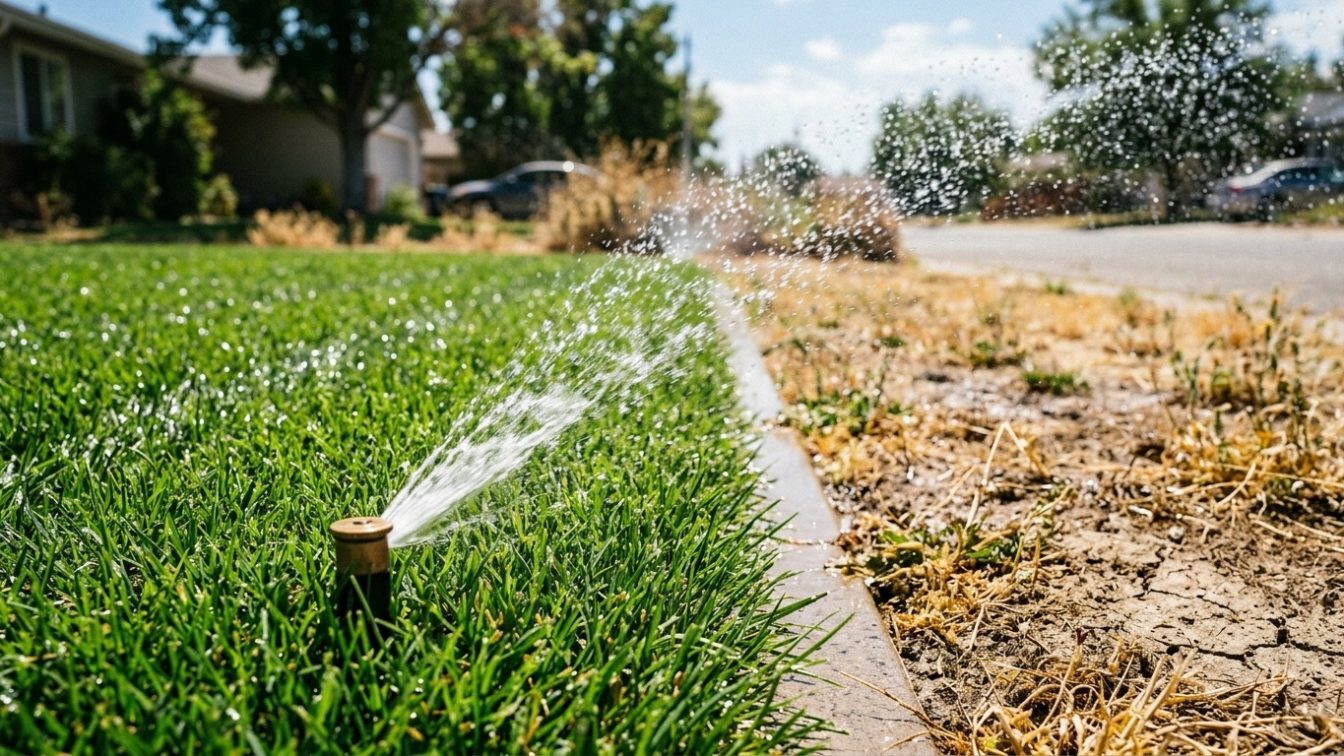
Table of contents
Summary of this article
- The Southwest Florida Water Management District (SWFWMD) escalated Sarasota County to a Phase 3 water shortage on April 3, 2026, limiting most outdoor watering to once a week, according to WUSF and Suncoast Searchlight (July 26, 2026).
- Reports of watering violations tripled: from just over 200 during the first five months of the drought (Nov. 5, April 5) to more than 600 in the following two months.
- Unincorporated Sarasota County, the Englewood Water District, and the city of North Port accounted for 98% of reported violations.
- The surge concentrated in communities with easy online reporting portals; the city of Sarasota and Longboat Key offered little online reporting access and saw few complaints.
- Sarasota County issued more than 60 citations from 322 complaints, with fines of $100, $500.
- The Englewood Water District issued nearly 200 fines from 267 complaints; fines range $100, $500.
- Venice issued 83 citations between May 11 and the end of June, with fines of $75, $175. North Port issued zero fines, using education first.
- The region has been under a declared water shortage since November 2025; outdoor overwatering during drought stresses aquifer recharge and concentrates contaminants in a shrinking supply.
Reports of watering violations in Sarasota County, Florida, tripled after regional officials tightened drought restrictions in April 2026. Complaints climbed from just over 200 during the first five months of the drought to more than 600 in the two months that followed, according to WUSF and Suncoast Searchlight reporting published July 26, 2026.
The trigger was a rule change. On April 3, 2026, the Southwest Florida Water Management District (SWFWMD) escalated the region to a Phase 3 water shortage, limiting most outdoor watering to once a week. The region had already been under a declared water shortage since November 2025.
For any homeowner in a drought, the story carries a lesson that reaches past lawn rules. Outdoor overwatering during a shortage does more than break a regulation. It pulls down the aquifer that feeds your tap and concentrates contaminants in a shrinking water supply.
What the Rule Actually Requires
Phase 3 is a specific, measurable limit. It restricts most outdoor watering to once a week and sets specific hours when irrigation is allowed.
That matters because outdoor watering is where most residential water goes during dry months. A lawn irrigation system running on a hot Florida afternoon loses much of its water to evaporation before it reaches the roots. Once-a-week watering, done in cooler hours, delivers water more efficiently and cuts total household demand sharply.
The rule is not a ban. “It’s not like they said you can’t water at all, but the restrictions are there and in place for a reason,” Brian Vinson, an unincorporated Sarasota County resident who reported several neighbors for violations, told Suncoast Searchlight.
The Surge in Reports, in Plain Numbers
The jump was steep and fast. During the first five months of the drought, from Nov. 5 to April 5, local governments received just over 200 reports of watering violations. In the following two months, they received more than 600.
But the surge was not spread evenly across the county. Three areas drove almost all of it. Unincorporated Sarasota County, the Englewood Water District, and the city of North Port together accounted for 98% of the reported violations.
The reason is not that those three areas had worse residents. It is that they made reporting easy. Each offered an accessible way to report a violation online. Englewood and Sarasota County both run online complaint portals. North Port took complaints through its existing code-violation portal.
North Port shows the effect clearly. The city logged only two complaints during the first five months of the shortage, then 34 in the following two months. “This has been going on now for a few months, so people are more aware of it, more vigilant of it,” North Port Communications Manager Jason Bartolone told Suncoast Searchlight. “So they’re reporting more.”
Why the Complaint Numbers Mislead
The data carries a trap. A high complaint count signals easy reporting, not necessarily more violations. A low complaint count can hide the opposite.
The city of Sarasota and the town of Longboat Key provided little or no online information on how to report violations. The city of Sarasota received just 10 complaints in the two months after the restrictions tightened and issued no citations. Longboat Key received one complaint, resolved without a fine.
Venice makes the point sharpest. Venice had no community complaints at all, residents there report to the police department by phone rather than through a portal. Yet Venice code enforcement officers, watching for violations themselves, issued 83 citations between May 11 and the end of June.
So the raw complaint totals measure how easy a community makes reporting, not how much overwatering is happening. The places with the most complaints are the places watching most closely.
Enforcement Varies Widely
The response to violations differs by jurisdiction, and the range is wide.
The Englewood Water District ramped up hardest. It issued nearly 200 fines in response to 267 complaints in the two months after Phase 3 began. Fines run $100 to $500. “The word has gotten out to the communities, neighbor by neighbor,” Jordan Chunco, the district’s customer service manager, told Suncoast Searchlight.
Sarasota County issued more than 60 citations from 322 complaints, with fines of $100 to $500. County staff do not issue a citation unless a code enforcement officer sees a violation firsthand, said Public Utilities Director Brooke Bailey. Venice issued 83 citations with fines of $75 to $175, after moving from warnings to a one-warning-then-citation approach.
North Port sits at the other end. It issued zero fines, choosing to educate homeowners first and follow up to confirm compliance. Both approaches point the same direction: lower demand. Bailey said the county’s current water demand is below where it stood a year earlier. “You don’t really see people irrigating much anymore,” she said.
Why Overwatering Hurts Your Own Water
From a building-biology standpoint, the principle holds at every scale: you control a water problem best at its source, and in a drought your irrigation system is one of those sources. Overwatering during a shortage opens two exposure pathways that reach your own tap.
It Drains the Aquifer That Supplies You
Much of Florida’s drinking water comes from underground aquifers, layers of porous rock that hold water and refill, or recharge, when rain soaks into the ground. During a drought, less rain falls, so recharge slows. Meanwhile, heavy outdoor watering keeps pulling water out.
The math is simple and unforgiving. When withdrawal outpaces recharge, the water table drops. A lower water table means wells must reach deeper, pumps work harder, and the shared supply everyone draws from shrinks. Every sprinkler running outside the rules widens the gap between what goes in and what comes out.
It Concentrates Contaminants
A shrinking water supply is not just a smaller supply. It is a dirtier one.
Aquifers and surface waters dilute whatever enters them, nitrate from fertilizer, salts, and other contaminants. As the volume of water drops, the same load of contaminants packs into less water, so concentrations rise. In coastal Florida, a falling freshwater table also invites saltwater intrusion, where seawater pushes into aquifers and raises salinity in wells near the coast.
The through-line: overwatering during a drought lowers the water table and concentrates what is left, and both effects reach the households that draw from the same source.
Practical Steps You Can Take
You cannot end a drought from your yard. You can cut your own irrigation use, which leaves more water in the aquifer and reduces the pressure that concentrates contaminants. These steps also keep you clear of $75-to-$500 fines.
Know your watering day and hours. Under a Phase 3 shortage, most outdoor watering is limited to once a week in set hours. Check your local utility’s schedule and set your irrigation controller to match. Watering in cooler hours cuts evaporation loss.
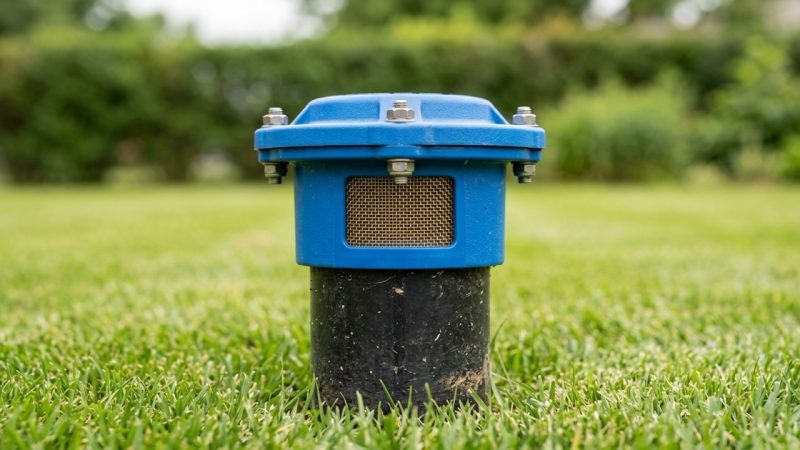
Install a rain sensor or smart controller. Florida law requires rain sensors on automatic irrigation systems for a reason: they stop the system from running after rain. A smart controller adjusts watering to weather and can cut irrigation use substantially.
Audit your sprinklers. Broken heads, misaligned nozzles, and leaks waste water and often trigger violations. A visible sprinkler running mid-day is exactly the image neighbors photograph and report.
Water deep and infrequent. Once-a-week deep watering builds stronger, drought-resistant roots than frequent shallow watering. It matches the rule and improves your lawn’s resilience.
Choose drought-tolerant, native plants. Florida-friendly landscaping needs far less irrigation than thirsty turfgrass. Less lawn means less water pulled from the aquifer.
Test your well if you have one. Private wells fall outside public water rules, so the testing is on you. During drought, test annually for nitrate and, near the coast, for rising salinity. A shrinking, more concentrated supply makes testing more important, not less.
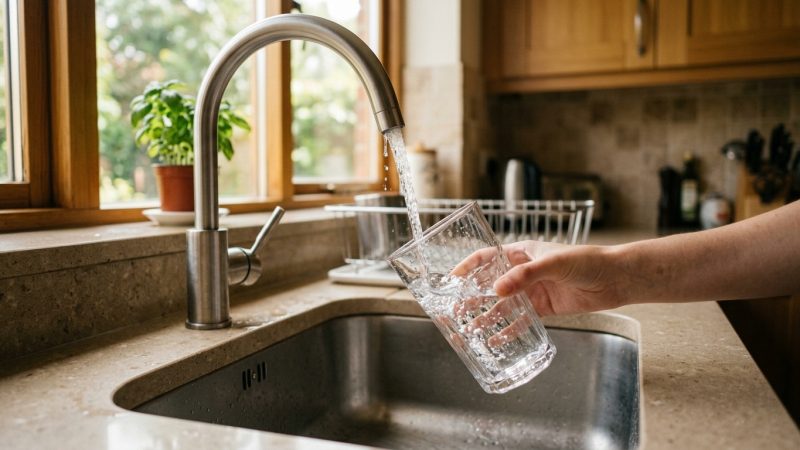
Filter at the tap. A filter certified to NSF/ANSI Standard 53 reduces many contaminants; for nitrate and high salinity, a reverse osmosis system certified to NSF/ANSI Standard 58 is more thorough.
Report and follow the rules. Following your watering schedule leaves more water in the shared supply. Where portals exist, reporting violations is part of how a community holds its total demand down.
Why This Matters Now
The tripling of reports is the visible headline. The mechanism underneath is the point. A Phase 3 shortage means the region does not have enough water, and outdoor overwatering during that shortage works directly against the supply everyone depends on.
The enforcement data also carries a quieter lesson about measurement. The communities with the most complaints, unincorporated Sarasota County, Englewood, and North Port, at 98% of the total, are the ones that made reporting easy, not the ones with the worst behavior. Venice, with zero community complaints and 83 officer-issued citations, proves the gap. Where residents cannot easily report, violations still happen; they just go uncounted.
For the household on the aquifer, the stakes are concrete. Every sprinkler running against the rules pulls the water table lower and concentrates what remains. The most direct control you have is the irrigation controller in your own garage, and setting it to match a once-a-week schedule protects both the shared supply and the water that reaches your tap.
Sources
- WUSF / Suncoast Searchlight, Emily Andersen, "Reports of water violations surge in Sarasota County as drought continues" (July 26, 2026):
- Southwest Florida Water Management District (SWFWMD), Water Shortage information:
- Suncoast Searchlight, Community News Collaborative:
- U.S. Environmental Protection Agency (EPA), WaterSense outdoor water use
- U.S. Geological Survey (USGS), Groundwater and aquifer recharge:
Questions people ask
What is a Phase 3 water shortage in Sarasota County?
A Phase 3 water shortage is a drought restriction level declared by the Southwest Florida Water Management District. It limits most outdoor watering to once a week during set hours. SWFWMD escalated Sarasota County to Phase 3 on April 3, 2026, after a shortage that had been declared since November 2025.
How much did watering violation reports increase?
They tripled. Local governments received just over 200 reports during the first five months of the drought (Nov. 5, April 5) and more than 600 in the following two months, according to WUSF and Suncoast Searchlight (July 26, 2026).
Which areas reported the most violations, and why?
Unincorporated Sarasota County, the Englewood Water District, and the city of North Port accounted for 98% of reported violations. They shared easy online reporting portals. Communities with little online reporting access, like the city of Sarasota and Longboat Key, logged few complaints, a reflection of reporting access, not necessarily fewer violations.
What are the fines for violating the watering rules?
Sarasota County and the Englewood Water District both issue fines of $100 to $500. Venice fines range from $75 to $175. North Port has issued no fines, choosing to educate homeowners first. Sarasota County issued more than 60 citations, Englewood nearly 200, and Venice 83.
Why does overwatering during a drought hurt my drinking water?
Much of the region's water comes from aquifers that refill with rain. Drought slows that recharge while overwatering keeps drawing water out, lowering the water table. A shrinking supply also concentrates contaminants like nitrate and can invite saltwater intrusion into coastal wells.
How can I cut my irrigation use and avoid violations?
Set your irrigation controller to your once-a-week schedule and cooler hours, install a rain sensor or smart controller, fix broken sprinkler heads, water deep and infrequently, and replace thirsty turf with drought-tolerant native plants. These steps lower demand and keep you clear of fines.
Should I test my well during a drought?
Yes. Private wells are not covered by public water rules, so testing is the owner's responsibility. During drought, test annually for nitrate and, near the coast, for rising salinity, because a shrinking supply concentrates contaminants.
Have questions about the environment inside your home?
Air quality, mold, EMF, light and water all shape how a house feels and how the people in it feel. Whatever your concern is, the first step is finding out what is there.
Our certified team of environmental professionals and advocates can help.