


A $5 billion program is protecting the water 40 million people drink
The Great Lakes hold a fifth of the world's surface freshwater, and more than 40 million people drink from them. A federal restoration program has funded more than 8,000 projects since 2010 to protect that supply.
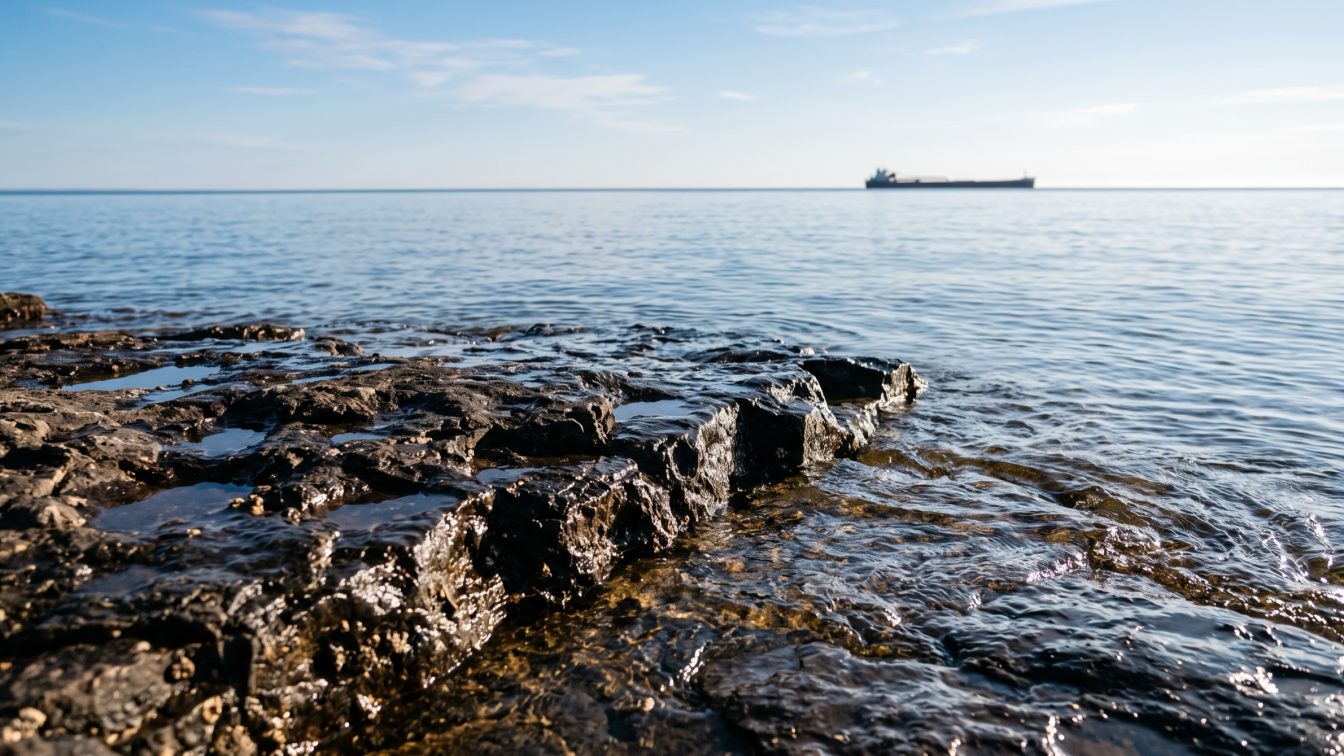
Table of contents
Summary of this article
- The Great Lakes are a drinking water source for 40+ million people. They hold roughly 20% of the world's available surface freshwater, according to the National Oceanic and Atmospheric Administration (NOAA).
- The Great Lakes Restoration Initiative has invested over $5 billion since 2010. It has funded more than 8,000 projects focused on toxic cleanup, invasive species, and habitat restoration, according to the program and Great Lakes advocacy groups.
- Public support is near-universal. A 2024 poll of more than 2,500 residents found 96% think it is important for governments to invest in protecting the Great Lakes.
- The program pays for itself. A University of Michigan study found the initiative boosts regional economic output by more than $3 for every $1 of federal spending.
- It survived a proposed 90% cut. In 2019, the Trump administration proposed slashing funding by 90%; three Michigan Republicans intervened, and funding was restored to $300 million per year.
The Great Lakes supply drinking water to more than 40 million people in the U.S. and Canada. They hold roughly 20% of the world’s available surface freshwater, according to the National Oceanic and Atmospheric Administration. That single fact explains why one government program has outlasted repeated attempts to kill it.
Since 2010, the Great Lakes Restoration Initiative has invested more than $5 billion to clean up the region’s water. It has funded more than 8,000 projects. And it has survived multiple efforts to cut or eliminate its budget, including a proposed 90% cut in 2019.
A research team at the University of Michigan studied why the program works when so many conservation efforts stall. Water policy expert Mike Shriberg and Great Lakes historian Marc Gaden led it. Their findings matter to anyone who drinks, swims in, or lives near these waters. Source water quality shapes what comes out of your tap.
What the lakes do for human health
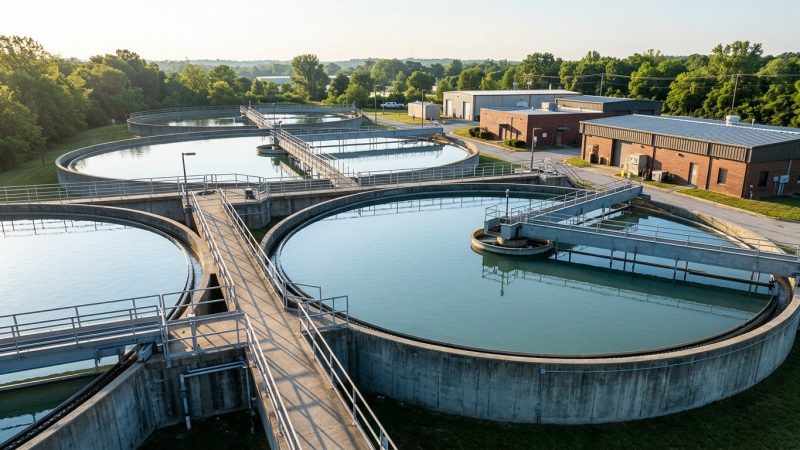
Source water is the starting point for tap water. When a lake is contaminated, treatment plants have to work harder, use more chemicals, and still risk letting some pollutants through. When the source is cleaner, the water that reaches your home is safer and cheaper to treat. Source control is the building-biology rule at work: fix a problem where it starts rather than filter it out at the end.
The Great Lakes spent most of the 20th century in bad shape. Raw sewage, industrial waste, invasive species, lost habitat, and runoff pollution degraded the ecosystem, according to historical records compiled by the University of Michigan. Even after major environmental laws took effect in the late 20th century, many problems remained.
The Great Lakes Restoration Initiative targets four of those problems directly:
Toxic hotspot cleanup. The program prioritizes the most contaminated locations, where legacy pollutants sit in sediment and can move back into the water column and the food chain.
Invasive species control. Zebra mussels, sea lamprey, and other invaders reshape the ecosystem and disrupt the natural systems that keep water clean.
Habitat restoration. Wetlands and natural shorelines filter runoff before it reaches open water, removing nutrients and sediment that would otherwise fuel algae blooms.
Nutrient and runoff reduction. Excess nutrients drive harmful algae blooms, like the 2014 bloom in Lake Erie that forced Toledo to warn residents not to drink their tap water.
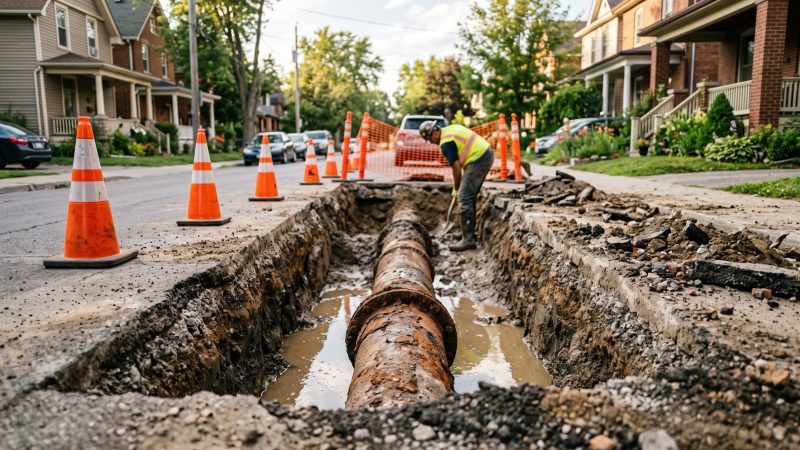
Each of these connects to human health. Toxic sediment carries contaminants that accumulate in fish people eat. Algae blooms produce toxins that municipal plants must remove before water reaches the tap. Wetlands act as free water treatment, filtering pollutants before they become a treatment-plant problem. Getting clean water to a tap is a separate problem: US systems lose about 6 billion gallons a day to leaks.
The scale of what is at stake
The numbers frame the stakes. The lakes provide drinking water to more than 40 million people. They generate billions of dollars in annual economic activity, according to NOAA and the Great Lakes Commission. More than 50% of regional residents report walking, swimming, boating, or spending time with family along the lakes, according to a 2024 regional poll.
That daily contact is an exposure pathway as well as a benefit. People swim in the water, eat the fish, and drink from municipal systems drawn from the lakes. Clean water reduces exposure to contaminants across all three routes. Degraded water increases it.
The economics reinforce the health case. A University of Michigan study found the initiative boosts the region’s economic output by more than $3 for every $1 of federal spending. Cleaner beaches, healthier fisheries, and restored waterfronts translate into both public health gains and economic returns.
Why 96% of residents back it
Public support for the program is not typical. A 2024 poll sampled more than 2,500 Americans and Canadians at random. Of the region’s residents, 96% said governments should invest in protecting the Great Lakes. That level of agreement is rare for any public issue.
The support crosses party lines. U.S. Rep. Bill Huizenga, a Republican co-chair of the Great Lakes Congressional Task Force, put it plainly in mid-July 2026: “The Great Lakes aren’t a Republican issue or a Democratic issue. They’re an economic engine, a source of drinking water for millions of people, and part of our way of life here in Michigan. Protecting them is something we can all rally around.”
That attachment runs deep because the lakes are woven into daily life in the region. People do not experience clean water as an abstract policy. They experience it as the beach they visit, the fish they catch, and the water they pour for their children. What the lakes carry matters downstream, and PFAS in drinking water has been linked to childhood cancer rates.
How the program keeps its funding
The Michigan research team identified what they call the program’s “secret sauce”, a set of features that lets it survive budget fights. Four stand out.
Community-based projects, not regulation. The initiative pays for local cleanup work on lands and waterways. It does not regulate industries or wade into controversial territory. That makes it easy to support and hard to attack.
Money in every district. The program funds work in every congressional district in the Great Lakes watershed. Every member of Congress in the region can point to federal money that improved their own district. That gives them a direct reason to defend it.
Coordinated messaging. State officials, local leaders, tribal nations, nonprofits and businesses all sound the same note. Erika Jensen, executive director of the Great Lakes Commission, called it a “coordinated, consistent kind of beating of the drum.” They repeat both the success stories and the economic returns, including the $3-to-$1 figure.
Diverse allies. Backers include governors, mayors, the NGO community, tribes and business leaders. David Naftzger, who directs the Great Lakes St. Lawrence Governors & Premiers, counts them off. Business backers are especially important because they give lawmakers economic cover to spend federal money.
The 2019 test
The strongest proof came in 2019. The Trump administration proposed cutting the initiative’s funding by 90%. Three weeks later, three Michigan congressional Republicans traveled with the president to a Michigan rally. There they explained how critical the program is to the region’s identity and economy. At the rally, the president reversed course and announced support for keeping funding at $300 million per year.
The bipartisan pattern held afterward. At a 2023 Washington event, then-Senator JD Vance of Ohio and Senator Debbie Stabenow of Michigan both backed the initiative. One is a Republican and one a Democrat, and they disagree on much else.
Cleaner source water reaches your tap cheaper
Clean source water is the cheapest, most effective way to protect the water at your tap. Every dollar spent removing toxic sediment, controlling invasive species and restoring wetlands eases the burden on treatment plants. The same dollar lowers your exposure to contaminants.
The Great Lakes Restoration Initiative shows source control works at a regional scale. It can also hold bipartisan support when it delivers local, visible results. For the 40 million people who drink this water, the lesson is direct: protecting the source is protecting your health.
The broader takeaway reaches beyond the Great Lakes. Shriberg argues the same forces would work elsewhere. Community-based work, coordinated messaging, diverse allies and money that reaches every district could carry conservation across the country. Where they are, the payoff shows up in cleaner water, healthier communities, and a rare kind of political agreement.
Sources
Questions people ask
What is the Great Lakes Restoration Initiative?
It is a federal program launched in 2010 to clean up the Great Lakes watershed. It has invested more than $5 billion and funded more than 8,000 projects focused on toxic cleanup, invasive species, habitat restoration, and reducing runoff pollution.
Why do the Great Lakes matter for drinking water?
The lakes supply drinking water to more than 40 million people in the U.S. and Canada and hold roughly 20% of the world's available surface freshwater, according to NOAA. Cleaner source water means safer, cheaper-to-treat water at the tap.
How does the program protect human health?
It targets contamination at the source. Cleaning toxic sediment reduces contaminants in fish, controlling algae blooms protects municipal water supplies, and restoring wetlands filters runoff before it reaches the water people drink and swim in.
Does the initiative actually pay off financially?
Yes. A University of Michigan study found the program boosts the region's economic output by more than $3 for every $1 of federal spending, through cleaner beaches, healthier fisheries, and restored waterfronts.
How popular is the program?
A 2024 poll of more than 2,500 Americans and Canadians found 96% of regional residents think it is important for governments to invest in protecting the Great Lakes, near-unanimity that is rare for any public issue.
Why has it survived budget cuts?
The program funds local, community-based work in every congressional district, avoids regulating industries, and draws support from governors, mayors, tribes, and businesses. In 2019, a proposed 90% cut was reversed after three Michigan Republicans intervened, restoring funding to $300 million per year.
Have questions about the environment inside your home?
Air quality, mold, EMF, light and water all shape how a house feels and how the people in it feel. Whatever your concern is, the first step is finding out what is there.
Our certified team of environmental professionals and advocates can help.