


Data centers are driving up electric bills across 14 states
Power demand from data centers is expected to keep raising electricity costs across the PJM region through at least 2028. A billing rule also lets big users cut demand during the hour that sets their charges.
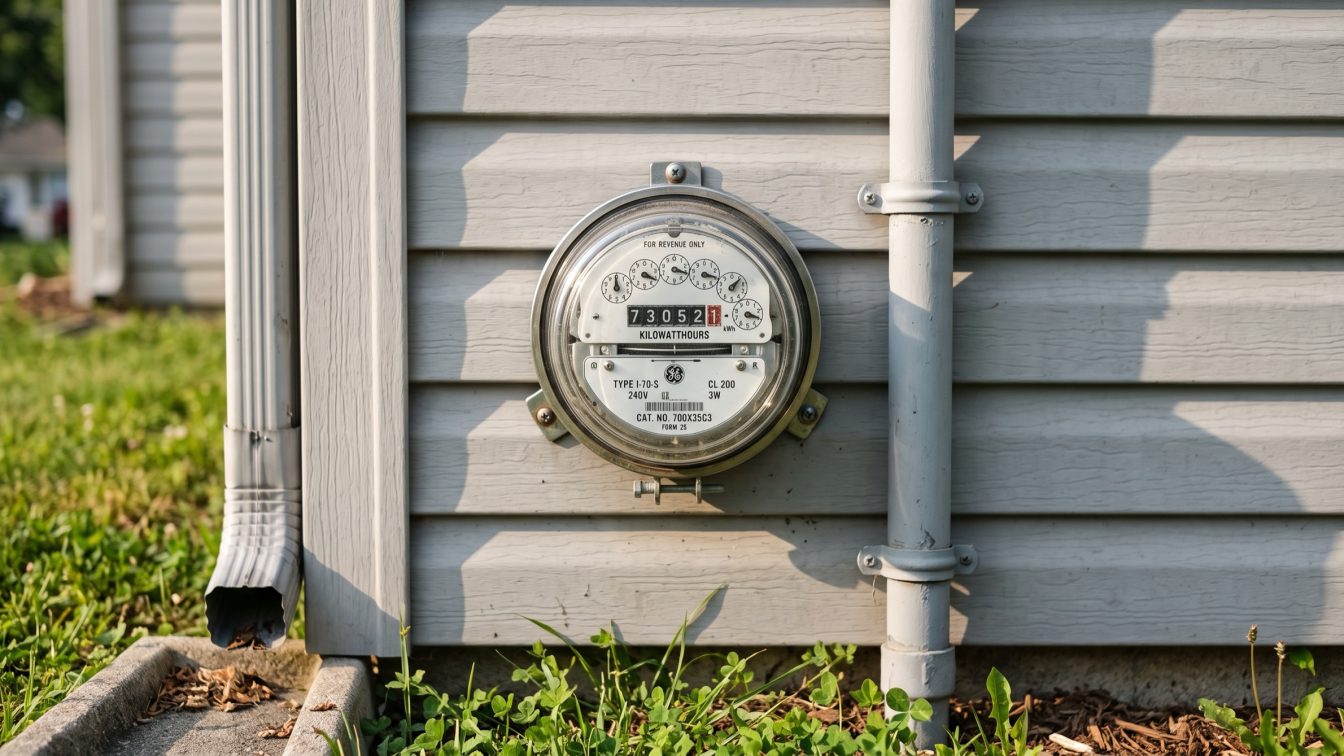
Table of contents
Summary of this article
- Expected data center demand was a primary driver of $23 billion in customer electricity price increases across the PJM region, which spans all or part of 14 states, lasting until at least the end of 2028, according to the market's independent monitor.
- State utility commissions set rates by identifying grid costs, allocating them to customer groups, and designing prices to recover them, a process involving thousands of individual cost items.
- A rate rule called "coincident peak demand" lets data centers use automated systems to reduce power during peak windows and shift shared grid costs onto residential customers who cannot easily do the same.
- All states except Georgia, Idaho, and Louisiana have a consumer advocate, but many are legally required to represent all customers without bias, leaving households without a dedicated voice on how costs are split.
- If data centers are canceled, underused, or made obsolete, the cost of infrastructure built to serve them gets spread to remaining customers, and public comments at rate hearings are one of the few tools residents have.
Expected power demand from data centers drove $23 billion in customer electricity price increases across the PJM market. The finding comes from a recent report by the region’s independent market monitor. PJM covers all or part of 14 mid-Atlantic and Midwest states. Those increases will last until at least the end of 2028.
That figure is not a forecast. The bill is already coming due. And regulators divide grid costs in a way that can land a large share on households, not on the tech companies driving the demand.
Ted Kury directs energy studies at the University of Florida’s Public Utility Research Center. He has studied the programs states use to serve these large electricity customers. His conclusion is direct: making data centers pay their “fair share” may be almost impossible under current rules. No single bad actor causes that. The rules for setting electricity prices do.
How your electricity price actually gets set
Setting an electricity price is simple in principle and complicated in practice. State utility commissions work out what service costs a utility. They sort those costs into categories of customer, then design prices that recover them.
The first step covers the value of the utility’s assets, power plants, transmission lines, substations, plus daily operating expenses like fuel, salaries, and purchased power. Regulators then divide those costs among customer groups: residential, commercial, and industrial.
The guiding idea is that costs should go to the customers who cause them. In practice, that is hard to pin down. Picture a data center built 50 yards from an existing substation. The data center should obviously pay to run that 50-yard line. But the utility may have to upgrade the substation itself, or buy new power to meet the added load. Those upgrades become part of the grid everyone uses. Those costs get shared.
Cost analysts review each line of a utility’s expenses, often thousands of items, and decide how each one is split. If a customer group uses 20% of the electricity a utility delivers, it is generally allocated 20% of the delivery costs. The costs allocated to you show up directly in the price you pay.
The peak-demand loophole
One common way to divide costs is “coincident peak demand.” The phrase means the amount a customer group uses at one moment: the moment when every customer together is pulling the most electricity from the system. Costs tied to that overall peak get split proportionally.
That method opens a gap data centers can exploit.
Data centers can fine-tune their power use minute by minute. Automated systems adjust how much computing work they do, so they can dial consumption up or down on command. A homeowner cannot easily match that. To cut power at a peak moment, you would have to race around unplugging appliances or buy a device that does it for you.
Because they are flexible, data centers can learn to predict when the system will peak and cut power to near zero during that exact window. Cryptocurrency-mining operations in Texas have already done this, the Texas Tribune reported. When regulators use coincident peak demand to set prices, a data center can avoid nearly all costs allocated that way. It still draws large amounts of electricity the rest of the time.
The result is a shift. Costs the data center avoids do not vanish. They move to customers who cannot game the peak, which mostly means households. The disclosed figures understate it, since Big Tech underreports what its data centers cost a community.
Who speaks for you in the room
When regulators decide how to allocate costs, they take input from the parties in the proceeding. The utility submits its own proposal. Large industrial customers, such as factories, submit theirs. Retail groups representing stores submit theirs. And large data centers, with the resources to hire cost-allocation experts, submit theirs.
Residential customers are often the least represented voice in that room.
Every state except Georgia, Idaho and Louisiana has an office of the consumer advocate, so 47 states have one. The office represents customer interests before the utility regulator. But many of these advocates are legally charged with representing all customers in the state without bias. They cannot push for an outcome that favors one customer group over another.
So a consumer advocate may fight hard to keep the utility’s total costs low. At the same time, the law may bar that advocate from taking a position on how costs get split between data centers and households. That gap matters. Proceedings can end up lopsided. Data center advocates argue for minimal costs on their clients, and nobody is positioned to examine or refute the claim on behalf of residents.
The risk of paying for centers that never run
There is a second financial exposure for households: stranded costs.
Utility investments in grid infrastructure last for decades. Data center plans do not. Not every proposed project gets built. Some use less energy than projected. Technology can shift fast enough to make a data center obsolete after a year or two of operation.
When that happens, the utility has already spent money to build capacity for demand that never fully arrived. Those costs get spread among the remaining customers. Georgia Power’s handling of large data center loads has drawn scrutiny on exactly this point, Utility Dive reported. The buildout is not confined to the ground: SpaceX has proposed up to 1 million satellites.
The exposure grows in communities served by municipal utilities, which answer to city councils or independent boards, and by rural cooperatives, run by elected boards. These bodies often lack full-time regulatory experts, yet face the same complex decisions. Many must hire outside specialists to keep up.
Why rising bills are a health issue
A higher electricity bill is not only a budget line. The stress it creates reaches health through measurable pathways.
Energy affordability shapes whether households run air conditioning in heat waves or heating in cold snaps. When bills climb, some families cut back on cooling and heating to save money. That trade-off raises the risk of heat-related and cold-related illness, especially for older adults, infants and people with chronic conditions. Financial strain itself is linked to elevated stress, poor sleep, and worse mental health outcomes.
There is a grid-reliability pathway too. When a large, flexible customer drops off the system at peak and forces new infrastructure spending, the pressure on planning and reliability grows. Medically vulnerable people carry the highest exposure, especially anyone who depends on refrigerated medication or powered medical equipment. They feel it when reliability slips or costs force hard budget choices.
In building-biology terms, the cleanest fix is source control: keep the cost at the source that creates it. When the rules let a data center shift its share downstream, the exposure lands in your home. It arrives as a higher bill and, indirectly, as a health risk.
What consumers can do
You are not without tools. Kury’s recommendation is specific. Consumers should learn how cost allocation works and take part in the process, because nobody else may be advocating effectively for them.
Submit public comments. State utility commissions accept written comments during rate cases, and that is the direct channel for putting residential concerns on the record.
Speak at open hearings. Commissions hold public hearings where residents can testify. Showing up puts a household voice in a room usually filled with utility and industrial experts.
Watch for the term “coincident peak.” When a rate case uses it, ask how data center flexibility is treated in the calculation.
Contact your state consumer advocate. In 47 states, this office exists to keep utility costs down. Ask what it can and cannot argue on cost allocation.
Track large-load proposals locally. If you are served by a municipal utility or a co-op, your city council or elected co-op board makes these calls. Attend those meetings.
The $23 billion is already committed through 2028. The next round of decisions is not. Who pays for the grid after that depends, in part, on who shows up.
Sources
- The Conversation. It may be almost impossible to make data centers pay their 'fair share' of electricity costs :
- PJM Interconnection, About PJM:
- Monitoring Analytics, 2026 Q1 State of the Market Report for PJM:
- National Association of Regulatory Utility Commissioners (NARUC):
- Regulatory Assistance Project (RAP), Electric Cost Allocation for a New Era:
- U.S. Department of Energy, coincident peak demand reference:
- Texas Tribune, Bitcoin mining and Texas electricity:
- Utility Dive, Georgia Power large-load data centers:
- National Association of State Utility Consumer Advocates (NASUCA):
Questions people ask
Why is my electricity bill going up because of data centers?
Data centers require large amounts of new grid capacity, power plants, transmission lines, and substation upgrades. Much of that infrastructure serves the whole grid, so its cost gets shared among customer groups. The PJM market monitor found that expected data center demand was a primary driver of $23 billion in customer price increases across 14 states, lasting until at least the end of 2028.
What is "coincident peak demand," and why does it matter to me?
It is the amount a customer group uses at the single moment when the entire system is using the most electricity. Regulators split many grid costs based on that peak. Data centers can automatically cut their power during peak windows to avoid these costs. Households cannot easily do the same, so the avoided costs can shift onto residential bills.
Doesn't my state have someone protecting consumers in rate cases?
Probably. All states except Georgia, Idaho, and Louisiana, 47 in total, have a consumer advocate office. But many are legally required to represent all customers without bias, which can prevent them from taking a position on how costs are divided between data centers and households.
What happens if a data center is canceled or shuts down after the grid is built for it?
The utility has already spent money on infrastructure for that expected demand. Those "stranded costs" typically get spread among the remaining customers. Not every proposed data center gets built, some use less power than projected, and some become obsolete within a few years.
What can I actually do to push back?
Submit written public comments during rate cases, testify at open hearings, and contact your state consumer advocate to learn what it can argue. If you are served by a municipal utility or rural cooperative, attend the city council or co-op board meetings where these decisions are made.

Have questions about the environment inside your home?
Air quality, mold, EMF, light and water all shape how a house feels and how the people in it feel. Whatever your concern is, the first step is finding out what is there.
Our certified team of environmental professionals and advocates can help.