


Sarasota County paused giant data centers after power and water concerns
Each hyperscale site can draw as much electricity as 35,000 homes, and county leaders also raised concerns about wastewater and all-night lighting. Those pressures drove the pause through 2027.
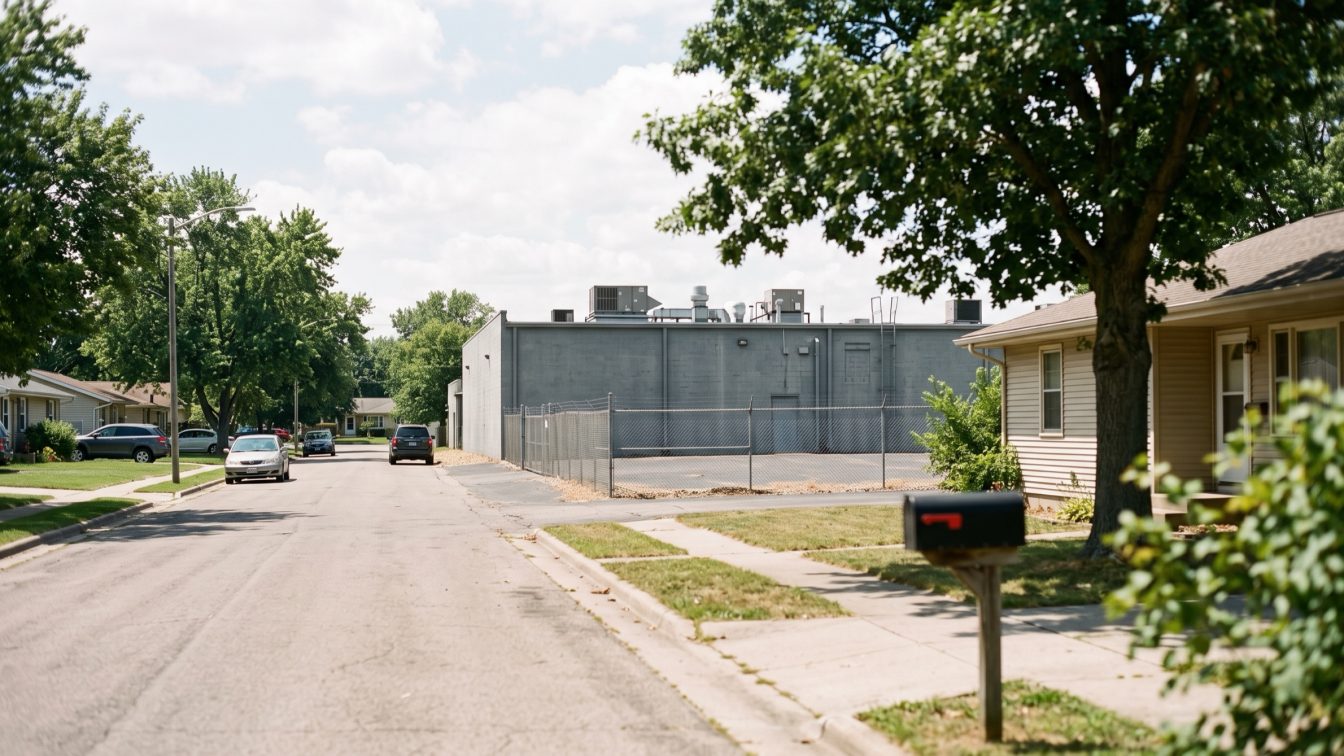
Table of contents
Summary of this article
- Sarasota County commissioners voted on July 9, 2026, to halt the acceptance, review, and approval of hyperscale data centers until at least July 2027, according to WUSF and Suncoast Searchlight.
- Florida defines a hyperscale data center as one using at least 50 megawatts, the power demand of at least 35,000 homes, and the largest can match the electrical demand of a major city, county planning staff said.
- Commissioner Mark Smith named two exposure pathways: wastewater that can contaminate the local water supply, and constant noise plus security lighting that leave the buildings "lit up like prisons."
- The wealth gap decides who gets protected: Sarasota's high-income tax base let it reject data centers, while rural DeSoto County faces DCIP Group's push to rezone up to 1,300 acres for a facility that would boost county revenue.
- A moratorium is the source-control tool, it stops the exposure before construction, and DeSoto's planning commission has recommended a two-year version that would include DCIP Group's pending proposal.
On July 9, 2026, Sarasota County commissioners voted to stop accepting, reviewing, or approving hyperscale data centers until at least July 2027. The vote, reported by WUSF and the nonprofit newsroom Suncoast Searchlight, came in response to an inquiry from XF Group to build a facility along Cattlemen Road.
The commissioners were not looking for a compromise. “For me, it’s a no,” Commissioner Joe Neunder said. “Not now, not ever.”
The reasons they gave were specific: water and noise. Understanding why those two concerns triggered a countywide freeze starts with one number that defines the scale of the problem.
What “hyperscale” actually means
Florida law defines a hyperscale data center as one that uses at least 50 megawatts of power. That threshold is the key to the whole story.
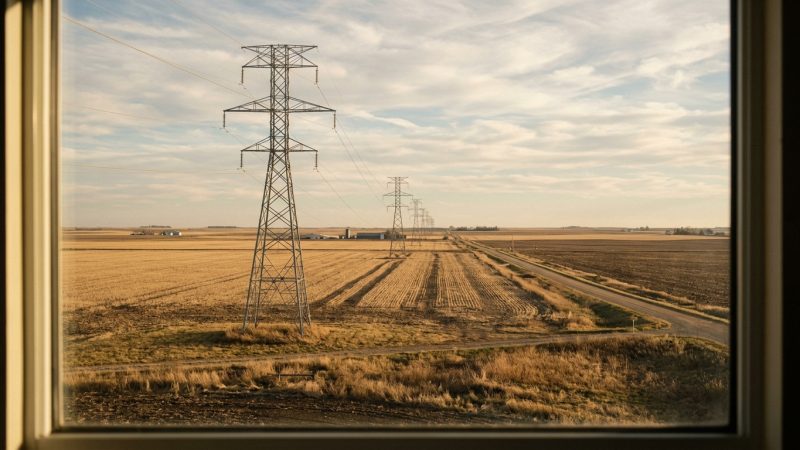
Fifty megawatts is the electricity demand of at least 35,000 homes. That is one building drawing the power of a small city’s worth of households. At the top end, Michele Norton, an assistant director in Sarasota County’s Planning and Development Services department, told commissioners that the largest hyperscale centers meet the electrical demand of a major city.
The power draw is only half of it. Sarasota was already rationing water this year, and watering violations tripled once a Phase 3 shortage took hold. Norton also warned that hyperscale data centers use millions of gallons of water per day, and that their electric demand often forces local governments to build new power infrastructure. Both facts point back to the residents who live nearby and pay the utility bills.
The 50-megawatt line matters because it separates a routine commercial building from an industrial facility with city-scale appetites for water and power. Once you know the threshold, the commissioners’ concerns stop sounding like caution and start sounding like arithmetic.
The water pathway
Commissioner Mark Smith raised the concern that carries the most direct health weight. Wastewater from a data center, he said, can contaminate the local water supply.
Here is how that pathway works. Hyperscale data centers use large volumes of water to cool their servers. That water does not simply evaporate. Cooling systems concentrate minerals, treatment chemicals, and heat, then discharge the used water as wastewater. If that discharge reaches groundwater or a shared supply, it can affect the water that households draw from their taps.
Arcadia resident Asha Stalnaker put the risk plainly at a DeSoto County meeting on June 23, 2026. “Residents should not be asked to accept unknown water impacts based on future promises,” she said.
That sentence names the core of the problem. The water impact is often unknown at the time of approval, because companies rarely disclose exact consumption or discharge figures. The promise of safety comes before the data. A building-biology approach reverses that order. It treats the water supply as something to protect at the source, before a facility is approved, not something to monitor for damage after the pumps are running.
The noise and light pathways
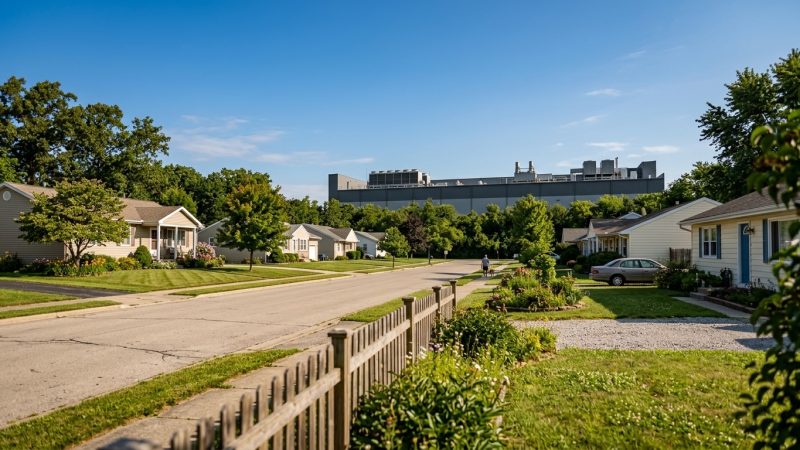
The second concern Smith raised was the physical footprint of the buildings themselves. He described hyperscale centers as “lit up like prisons because of the security lights at night,” with a constant “hum.” “They don’t belong in Sarasota County,” he said. “Environmentally, I think it’s a disaster.”
Both descriptions map to measurable health exposures.
Noise. A hyperscale data center runs cooling fans and chillers 24 hours a day. The result is a steady low-frequency hum that never stops. Chronic noise is not just an irritation. Constant nighttime sound fragments sleep and keeps the body’s stress response elevated, and long-term environmental noise is linked to higher blood pressure and cardiovascular risk. The source-control fix is distance and enforceable decibel limits at the property line, conditions that only exist if they are written into a permit before construction.
Light. Security lighting that runs all night is a documented exposure, not an aesthetic complaint. Bright artificial light at night suppresses melatonin, the hormone that signals the body to sleep. Disrupted melatonin is tied to poorer sleep, metabolic strain, and other health effects, especially for people whose bedrooms face the light. A facility “lit up like prisons” pushes that light into surrounding homes every night of the year.
Neither exposure can be undone once the building is running. You can litigate a noise complaint, but you cannot un-build the facility. That is why the timing of the decision, before approval, decides everything.
The moratorium is the source-control tool
Sarasota’s freeze is a moratorium: a temporary halt on permitting that stops new projects while the county writes rules. In building-biology terms, it is the cleanest form of source control. It prevents the exposure instead of managing it after the fact. The water question is not local to Sarasota either, since the systems already lose 6 billion gallons a day to leaks.
The county’s freeze applies specifically to hyperscale facilities, those 50-megawatt-and-up buildings. When commissioners return from summer break in August, county staff is expected to bring them more information on further regulation. Neunder and Smith both signaled they would return looking for a way to ban hyperscale data centers permanently.
A moratorium buys the one thing residents and officials need most: time to replace “future promises” with measurable requirements. During a pause, a county can set daily water-use caps in gallons, define wastewater discharge limits, require decibel ceilings at the property line, and restrict nighttime lighting. Those are enforceable numbers. A promise at a podium is not.
Why DeSoto County cannot say no as easily
Sarasota’s vote comes with a hard lesson about who gets protected. The county could afford to reject data centers. Neighboring DeSoto County cannot afford to as easily.
The difference is money. Sarasota County has a dense population and a high-income tax base, which puts it in a strong position to turn projects away. DeSoto County is rural and lower-income. There, a data center would be a significant boost to county coffers.
The stakes in DeSoto are larger, too. DCIP Group seeks to build a sprawling complex of more than a dozen facilities. Commissioners agreed in March 2026 to rezone 34 acres for an initial data center on the site of a decommissioned power plant. DCIP Group has since asked the county to rezone more than 800 additional acres and has signaled it would eventually seek to build on as many as 1,300 acres.
DeSoto residents pushed back anyway. In a series of public forums, they called on officials to reject the project over water and health concerns. On July 8, 2026, the county’s planning commission voted to recommend a two-year moratorium, longer than Sarasota’s, and asked that DCIP Group’s pending proposal be included in the freeze.
The contrast is the policy story. Two neighboring counties face the same industry. The wealthier one can say “not now, not ever.” The poorer one weighs the same health risks against revenue it genuinely needs. That gap is how environmental burdens end up concentrated in the communities with the least financial cushion to refuse them.
What you can do
The Sarasota vote shows that a county can stop a hyperscale project cold. The tools are public, and residents drove the outcome.
Push for a moratorium before a developer commits money. A pause is easiest to pass early. Sarasota acted on the XF Group inquiry; DeSoto’s planning commission recommended folding DCIP Group’s live proposal into the freeze. Timing determines leverage.
Demand the 50-megawatt facts. Ask any developer for projected daily water use in gallons, wastewater discharge volume and content, and total electricity demand in megawatts. If the answer is a promise instead of a number, treat that as the warning Asha Stalnaker described.
Get thresholds into the ordinance. Push for a daily water-use cap, wastewater discharge limits, a maximum decibel level at the property line, and restrictions on nighttime security lighting. Written conditions are enforceable. Verbal reassurances are not.
Watch the wealth gap. If you live in a lower-income county, know that your officials face revenue pressure that a wealthier county does not. Organized public comment, as DeSoto residents showed, can shift that calculation.
Attend the August follow-up. Sarasota staff is expected to return in August with steps toward permanent regulation. The residents in the room when rules get written are the ones who shape them.
Sarasota County drew a line at 50 megawatts and froze everything above it until at least July 2027. Whether other Florida counties draw the same line, and whether the rural ones can afford to, will be decided in county commission rooms, one moratorium vote at a time.
Sources
- WUSF / Suncoast Searchlight. Sarasota County blocks hyperscale data centers for at least one year :
- WUSF. After public outcry, DeSoto County moves forward on data center moratorium :
- Suncoast Searchlight, Sarasota County Commissioner Joe Neunder profile:
- Tallahassee Democrat, Florida counties and cities pause data center development:
- WUSF, Florida data center tracker tool:
- WUSF, Polk County father suing Fort Meade over AI data center:
Questions people ask
What did Sarasota County actually vote to do?
On July 9, 2026, Sarasota County commissioners voted to halt the acceptance, review, and approval of hyperscale data centers until at least July 2027, according to WUSF and Suncoast Searchlight. The freeze followed an inquiry from XF Group to build a facility along Cattlemen Road, and commissioners signaled they may pursue a permanent ban.
What is a "hyperscale" data center?
Florida defines a hyperscale data center as one using at least 50 megawatts of power. That equals the electricity demand of at least 35,000 homes. County planning staff told commissioners the largest hyperscale centers can meet the electrical demand of a major city and use millions of gallons of water per day.
What are the main health concerns commissioners raised?
Commissioner Mark Smith cited two. First, wastewater from a data center can contaminate the local water supply. Second, the buildings produce constant noise from cooling systems and are "lit up like prisons" with all-night security lighting. Chronic noise disrupts sleep and raises cardiovascular risk, and nighttime light suppresses melatonin.
Why can Sarasota reject data centers when DeSoto County struggles to?
Money. Sarasota has a dense population and a high-income tax base, so it does not need the revenue. Rural, lower-income DeSoto County would see a data center as a major budget boost. DCIP Group is seeking to rezone up to 1,300 acres there, and DeSoto's planning commission has recommended a two-year moratorium in response to resident pushback.
What is a moratorium, and why does it matter?
A moratorium is a temporary halt on permitting that stops new projects while a county writes rules. It is the most effective form of prevention because it stops the exposure before construction. During the pause, officials can set enforceable numbers, water-use caps, wastewater limits, decibel ceilings, and lighting restrictions, instead of relying on a developer's promises.
Have questions about the environment inside your home?
Air quality, mold, EMF, light and water all shape how a house feels and how the people in it feel. Whatever your concern is, the first step is finding out what is there.
Our certified team of environmental professionals and advocates can help.