


Starlink says its U.S. subscriber count tripled to 7 million in 11 months
An FCC report credits Starlink with more than 7 million U.S. subscribers, up from the 2 million SpaceX reported to the government 11 months earlier. The larger figure points back to a company webpage.
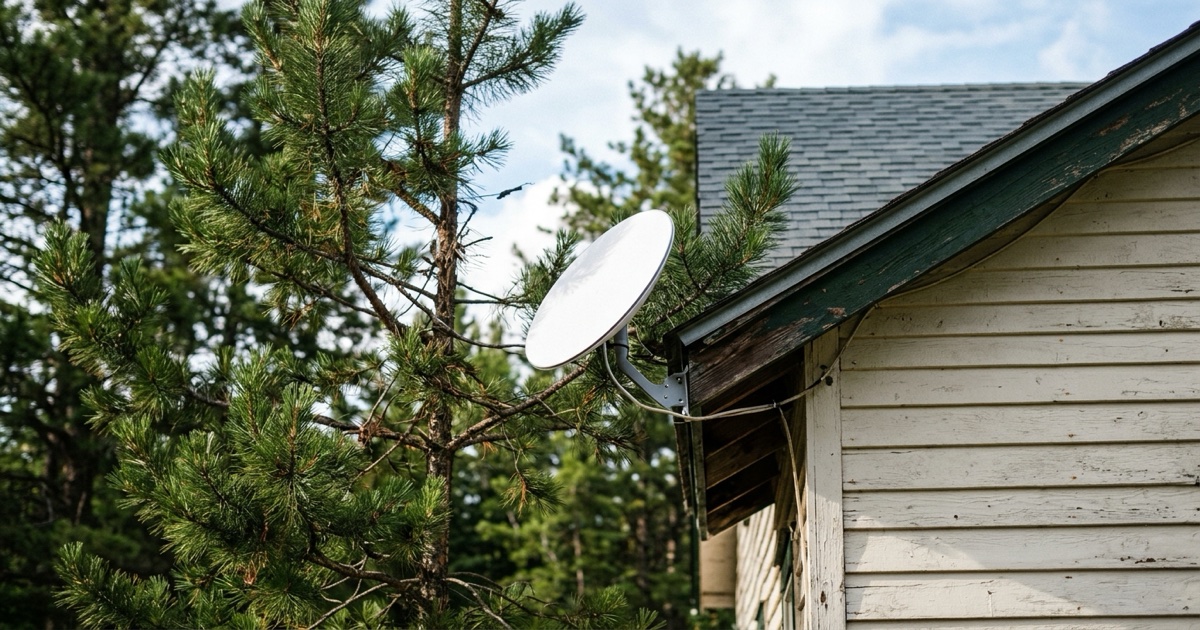
Table of contents
Summary of this article
- A federal report released on 14 August 2026 puts satellite broadband within reach of 99.7 percent of the United States, without any cable being laid.
- The change was in the arithmetic. Satellite used to sit outside the tally of fixed broadband, and counting it inside closed most of a twenty-year gap on paper.
- Three sentences later, the same report records that 2.3 percent of fixed broadband connections in the country are satellite.
- The report's figure of over 7 million American Starlink subscribers is cited to starlink.com, a marketing page accessed three days before publication, rather than to a regulatory filing.
- PCMag reported that SpaceX told the government in September 2025 it was serving more than 2 million US subscribers. The two accounts differ by a factor of three across eleven months.
- A coverage percentage is a line of sight from a satellite to a point on a map. It cannot see a lease, a roof somebody else owns, a tree line or a monthly bill.
- Satellite service needs a continuous unobstructed view of the sky. Trees leaf out, snow builds, and what worked in February can fail in July.
- A household recorded as served can challenge that record with the state broadband office.
A federal report released on 14 August 2026 credits Starlink with over 7 million American subscribers, alongside more than 7,800 satellites deployed and over 2,300 launched in the year to mid-2025. Eleven months earlier, SpaceX told the government it was serving more than 2 million.
That is a threefold rise in under a year, and it arrives with a sourcing problem worth knowing about before the number gets repeated.
The same report puts satellite broadband within reach of 99.7 percent of the United States, and records three sentences later that 2.3 percent of fixed broadband connections are satellite.
Here is where each figure comes from, why the subscriber count is worth checking, and what a household on the wrong side of the coverage number can do.
Available to nearly everyone, bought by very few
Coverage and connection are different measurements, and only one of them describes a household.
A coverage figure is a line of sight from a satellite to a point on a map. Whether anyone at that point has service depends on a lease, a roof somebody else owns, a tree line and a monthly bill. None of those four appears in a coverage percentage, and all four decide the outcome.
A map can see the sky. It cannot see the roof.
The 7 million subscriber figure cites a marketing page
The report states that Starlink alone launched over 2,300 satellites in the year to mid-2025, has deployed more than 7,800, and runs a worldwide network with over 7 million American subscribers.
The citation for that subscriber figure points to starlink.com, a page called Network Update, accessed three days before publication. It is not a regulatory filing and not data submitted under oath. SpaceX’s actual comment in the docket is cited too, but only for the number of satellites in orbit.
PCMag reported that SpaceX told the government directly in September 2025 that it was serving more than 2 million subscribers in this country. We were unable to retrieve that filing ourselves, so treat the 2 million as PCMag’s reporting rather than a document verified here.
Either way, the two accounts differ by a factor of three across eleven months, and no signup campaign in that period explains the gap. Nothing in federal law accounts for what all that hardware radiates, because no US rule protects wildlife from wireless exposure.
A dish only works with an unbroken view of the sky
Satellite service requires a clear line between the dish and a fast-moving object overhead, continuously.
That sounds simple until the specifics arrive. Trees leaf out in spring. Snow accumulates on a dish through winter. A neighbouring building goes up. An apartment tenant may have no roof rights at all. What worked in February can fail in July without anything changing at the satellite end.
A large share of American homes have no unobstructed view of the sky, and none of that appears in a coverage figure.
What a household in that position can do
Test the connection at the hour that matters. Any speed test works, and one at eight in the evening is worth ten at lunchtime, because congestion is the point.
Record the result with the time and date. A month of readings is evidence, and it belongs to the household rather than to a model.
Watch what stands over the dish across a full year rather than a single season, since the obstruction that matters may not have leaves on it yet.
Ask the state broadband office whether the address is recorded as served, because that record can be challenged. Somebody wrote a status against the house, and correcting it starts with whoever lives there noticing.
Two numbers, one paragraph
99.7 percent and 2.3 percent sat three sentences apart in the same federal document. Neither is wrong.
A service that reaches nearly everyone and is bought by almost nobody is describing something, and it is not a solved problem.
Sources
- FCC. FCC 26-55, 2026 Section 706 Report, GN Docket 25-223 (2026) released 14 August 2026
- FCC. Statement of Commissioner Anna Gomez (2026)
- FCC. News release, 14 August 2026 (2026)
- PCMag. FCC Says Starlink Has Over 7 Million US Subscribers (2026)
Questions people ask
What did the FCC report say about satellite broadband?
A federal report released on 14 August 2026 puts satellite broadband within reach of 99.7 percent of the United States. Satellite had previously sat outside the tally of who has fixed broadband, and counting it inside closed most of the measured gap.
How many people actually use satellite internet?
2.3 percent of fixed broadband connections in the country are satellite, according to the same report, three sentences after the 99.7 percent coverage figure.
Where does the 7 million subscriber figure come from?
The citation points to starlink.com, a page called Network Update, accessed three days before publication. It is a company webpage rather than a regulatory filing. SpaceX's own comment in the docket is cited separately, and only for the number of satellites in orbit.
Is there a different subscriber number on record?
PCMag reported that SpaceX told the government in September 2025 it was serving more than 2 million US subscribers. We could not retrieve that filing directly, so it stands as PCMag's reporting. The two accounts differ by roughly a factor of three across eleven months.
Does being in a covered area mean I can get service?
Not necessarily. Coverage is measured as a line of sight from a satellite to a point on a map. Whether a household can connect depends on a lease, roof access, a tree line and a monthly bill, none of which appear in a coverage figure.
Why would satellite service stop working after it was installed?
A dish needs a continuous unobstructed view of the sky. Trees leaf out in spring, snow accumulates on the dish, and neighbouring buildings go up. What worked in February can fail in July with nothing changing at the satellite end.
What can I do if my address is wrongly recorded as served?
Ask the state broadband office whether the address is recorded as served, and challenge it if it is wrong. Somebody wrote that status against the house, and correcting it starts with the occupant noticing.
How should I document a poor connection?
Run a speed test at the hour that matters, which is usually evening rather than midday, and record the result with time and date. A month of readings is evidence that belongs to the household rather than to a model.

Have questions about the environment inside your home?
Air quality, mold, EMF, light and water all shape how a house feels and how the people in it feel. Whatever your concern is, the first step is finding out what is there.
Our certified team of environmental professionals and advocates can help.