


Lead the EPA once called safe is still in the yards where East Helena kids play
The EPA cut the cleanup line from 1,000 to 400 parts per million, and 1,517 yards that passed under the old number fail now. The lead came from the closed ASARCO smelter, and it doesn't break down.
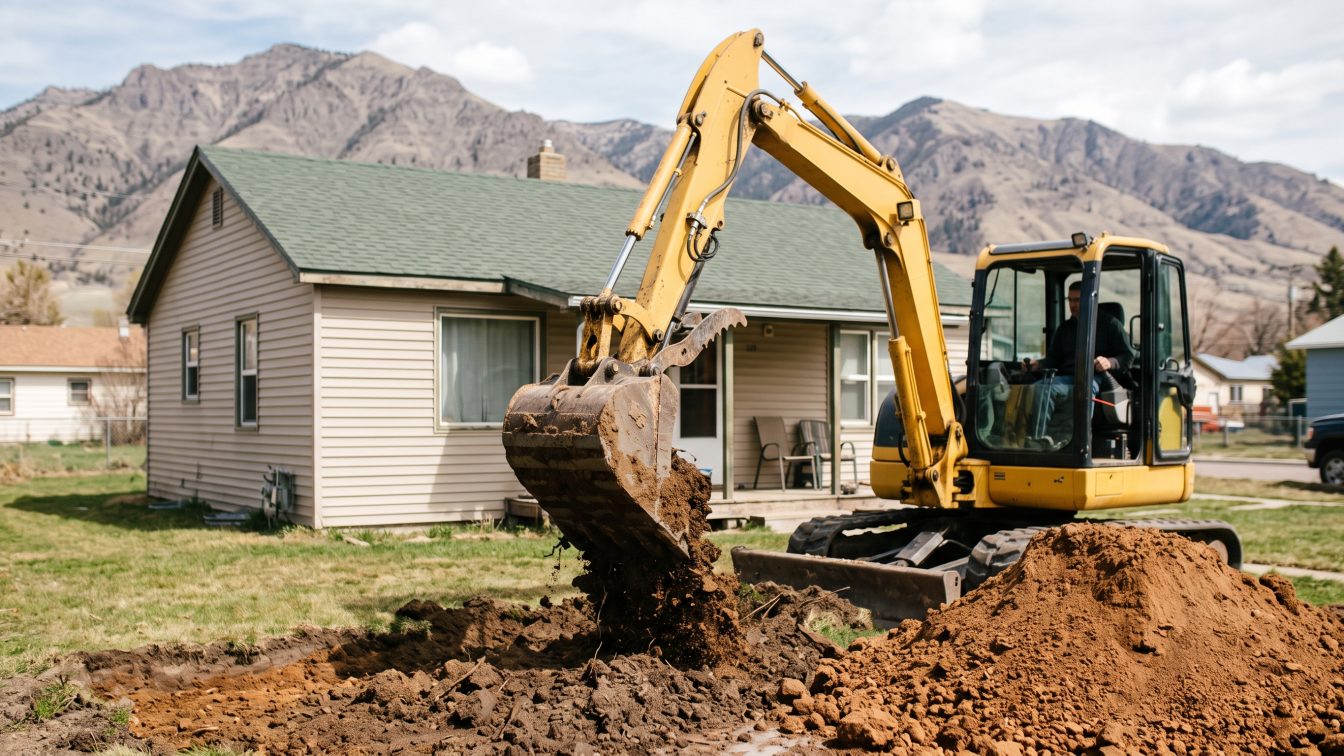
Table of contents
Summary of this article
- The EPA announced that yard cleanups are officially underway in East Helena, Montana, at the East Helena Superfund site on July 27, 2026, addressing lead from former smelter operations.
- Yards with a whole-yard average of 400 parts per million (ppm) or greater soil-lead content qualify for cleanup.
- The threshold dropped from a previous 1,000 ppm action level; a 2024 Explanation of Significant Differences lowered the residential cleanup level to 400 ppm.
- About 1,517 properties still had 400 ppm or more of lead in soil and now qualify for remediation.
- Cleanups will continue over five years, prioritizing properties with the highest lead concentrations, significant exposure concerns, and vulnerable populations such as young children.
- The work runs through an interagency agreement with the U.S. Army Corps of Engineers; Weston Solutions holds the remedial action contract, awarded in April 2026.
- Crews use dust suppression methods and air monitoring during excavation; contaminated soil goes to the slag pile near the former ASARCO smelter site.
- Sampling and cleanup require written permission from the property owner; simple behaviors, washing hands before eating and removing shoes at the door, significantly reduce exposure.
The EPA started digging up lead-poisoned yards in East Helena, Montana, on July 27, 2026, and the work now reaches homes the agency once called clean enough. A single number decides which yards get dug up: 400 parts per million of lead in the soil.
That line used to sit at 1,000 ppm. When the EPA dropped it to 400, 1,517 properties that had passed the old test suddenly failed. The lead in those yards never moved. The bar for protecting a child dropped underneath it.
If you live on old industrial ground, or in an aging neighborhood near a shut-down smelter, East Helena tells you something you can act on. The lead safe for the ground where kids play keeps dropping, and lead in dirt never rots away. It sits where it landed, and it stays dangerous.
The number that decides everything
A cleanup level tells crews how much lead in the soil forces action. Drop the number, and more yards land on the wrong side of it.
East Helena’s number dropped twice. Crews already cleaned hundreds of yards under the old 1,000 ppm line. Then in early 2024, the EPA’s East Helena site team finalized an Explanation of Significant Differences that pulled the residential soil-lead level down to 400 ppm. Hundreds more properties fell into the cleanup zone overnight.
When that lower line took effect, 1,517 properties still held 400 ppm or more of lead. Every one of them cleared the old standard and fails the new one, not because anyone added lead, but because the science on what a small child’s body can handle moved.
Where the lead came from
The lead traces back to one place: the former ASARCO smelter. A smelter cooks ore to pull out metal, and for decades that process threw off lead and other heavy metals that drifted down into the dirt around town.
The smelter shut down. The lead stayed. Metals don’t rot away the way food scraps or oil eventually do. Soil that soaked up smelter fumes decades ago still holds that lead now, which is why crews in 2026 are cleaning up pollution from a plant that closed years back.
The dug-up soil goes to one controlled spot. Crews haul it to the slag pile near the old ASARCO smelter, where it could later form the base for a protective cover over the pile. Waste from one source gets stacked back at that source instead of spread around.
How the cleanup works
Crews pull the lead out at the source instead of trying to manage it in place. The EPA runs the job through an agreement with the U.S. Army Corps of Engineers, which handed the cleanup contract to Weston Solutions in April 2026.
Residents will see it up close: trucks, heavy equipment, and crews in protective gear as the digging starts. Workers scoop out the tainted soil from a qualifying yard and truck in clean fill to replace it.
Two protections cover the neighborhood while the work runs. Crews spray to hold down dust so tainted dirt doesn’t blow into the air, and they run monitors to catch any that does. Digging can lift settled lead off the ground, so the cleanup is built to avoid kicking up the exact hazard it came to remove.
Nothing happens without a signature. The EPA can test or dig up a yard only after the property owner gives written permission.
Who gets cleaned up first
Not every qualifying yard gets touched this year. The cleanups run over five years, and the EPA is lining them up by risk.
Homes go to the front in 2026 when the soil holds more lead, when exposure worries run high, or when young children live there. The yards most likely to hurt a kid get dug up first.
“Accelerating cleanups in communities is a major priority for EPA,” said EPA Region 8 Regional Administrator Cyrus Western. “EPA is proud to deliver quality cleanups to the vibrant and growing community of East Helena, helping protect the community and reduce the potential for lead exposure.”
Why lead hits children hardest
Lead is a neurotoxin, a poison that attacks the nervous system. It does its worst damage to the youngest.
Young children are especially sensitive to the harmful effects of lead on cognitive and behavioral development, the EPA said. A growing brain soaks up lead faster than an adult’s and keeps the damage longer. Doctors have found no safe level of lead in a child’s blood.
The way kids play makes it worse. Toddlers crawl on the ground, stick hands and toys in their mouths, and dig in the dirt, the exact moves that carry soil lead into a small body. A yard that barely touches an adult can load down a two-year-old. That’s why the EPA puts homes with young kids first.
The three ways soil lead reaches a child
Lead in a yard gets to a kid through three main routes, and each one has a way to block it.
1. Hand to mouth. A child plays outside, gets soil on their hands, and puts their hands in their mouth. This is the most direct route and the reason toddlers face the highest risk. A kid doesn’t have to eat dirt on purpose. Ordinary hand-to-mouth habits carry enough soil to matter. Washing hands before eating cuts exposure sharply, the EPA notes. Made routine after outdoor play and before every meal and snack, it stops the soil before it reaches the mouth.
2. Tracked-in soil. Tainted dirt doesn’t stay outside. It rides in on shoes, pets, and clothes, then settles into carpets and floors where kids spend their days. A yard problem turns into an indoor-dust problem. Taking shoes off at the door cuts exposure sharply, the EPA says, because it stops the main way outdoor lead gets inside.
3. Airborne dust. Bare, dry soil turns to dust. Wind lifts it, footsteps stir it, and it drifts onto indoor surfaces and outdoor toys. Kids swallow it off their hands or breathe it straight in, and it delivers lead the same way soil does. It’s the same hazard crews fight with dust spray during digging, and the same one homeowners fight with ground cover and damp cleaning.
Steps you can take right now
You can’t dig up a Superfund site yourself. But if you live in East Helena, on other old industrial land, or in an aging neighborhood, these steps cut exposure while the cleanup runs, and they work for any yard where lead might sit.
Say yes to testing if you qualify. In East Helena, the EPA tests and digs only with the owner’s written permission. If your yard might top 400 ppm, letting the crew test is the first step toward a cleanup. Residents can reach the EPA site team at EastHelenaSuperfund@epa.gov.
Test your soil. A certified lab can measure the lead in your yard. Knowing whether your whole-yard average sits above or below 400 ppm shows you which spots need attention and whether you qualify.
Test your child’s blood. Ask a pediatrician for a blood-lead test, especially for kids under 6. It’s the only way to confirm exposure, because lead poisoning often shows no early signs.
Wash hands before eating. Handwashing before meals and snacks is one of the strongest ways to break the hand-to-mouth route, the EPA notes. Make it a habit for kids after they play outside.
Take off shoes at the door. Leaving shoes at the entrance keeps tainted soil from riding inside and turning into house dust.
Cover bare soil. Grass, mulch, or ground cover keeps dirt from blowing into dust and blocks direct contact, the home version of the crews’ dust spray.
Fight indoor dust. Wet-mop hard floors and wipe surfaces with a damp cloth instead of dry dusting, which just scatters lead particles. Use a vacuum with a HEPA filter.
Grow food in raised beds. If you plant on ground that might be tainted, build raised beds with clean, tested soil, and wash all your produce well.
What stays true after the trucks leave
The East Helena cleanup runs five years, built on a lower line. The threshold fell from 1,000 ppm to 400 ppm, and 1,517 properties that once passed now qualify. Nobody added lead. The bar for protecting a child came down.
The rest doesn’t fade with time. Lead sits in soil for decades. A shut-down smelter still left its lead in the yards around it, still within reach of the kids who live there. Only removal breaks that chain: soil dug out, clean fill returned, dust held down.
For any household near a lead source, the move matches what the EPA is doing in East Helena. Find the lead, block the route, and check whether exposure already happened. Test the soil, test the child, cover the bare ground, wash the hands, and leave the shoes at the door. The pollution is decades old. The harm it can do is happening now, and steady habits plus a real cleanup can stop most of it.
Sources
- U.S. Environmental Protection Agency (EPA). Yard cleanups officially underway in East Helena (2026) (July 27, 2026):
- U.S. Environmental Protection Agency (EPA), East Helena Superfund Site Profile:
- Daily Montanan. EPA announces $40 million to clean up more yards at East Helena Superfund site (2024) (February 27, 2024):
- U.S. Environmental Protection Agency (EPA), Lead information:
- U.S. Environmental Protection Agency (EPA), Protect Your Family from Sources of Lead:
- U.S. Centers for Disease Control and Prevention (CDC), Childhood Lead Poisoning Prevention:
Questions people ask
What did the EPA announce in East Helena?
The EPA announced on July 27, 2026, that yard cleanups are officially underway in East Helena, Montana, at the East Helena Superfund site. The work removes lead-contaminated soil left by former ASARCO smelter operations and replaces it with clean fill.
Which yards qualify for cleanup?
Yards with a whole-yard average of 400 parts per million (ppm) or greater soil-lead content qualify. This threshold dropped from a previous 1,000 ppm action level, after a 2024 decision lowered the residential cleanup level to 400 ppm.
How many properties are affected?
About 1,517 properties still had 400 ppm or more of lead in soil and now qualify for remediation under the lower threshold. Cleanups will continue over five years.
Who is doing the work, and how?
The EPA is carrying out the cleanup through an interagency agreement with the U.S. Army Corps of Engineers, with contractor Weston Solutions, which received the remedial action contract in April 2026. Crews excavate contaminated soil, replace it with clean fill, use dust suppression methods, and run air monitoring equipment. Removed soil goes to the slag pile near the former smelter.
Which yards get cleaned first?
Cleanups in 2026 prioritize properties with the highest lead concentrations, significant exposure concerns, or vulnerable populations such as young children. The homes most likely to harm a child are addressed first.
Do I have to allow the cleanup?
Sampling and cleanup can occur only if a property owner grants written permission. No yard is tested or excavated without the owner's consent. East Helena residents can contact the EPA site team at EastHelenaSuperfund@epa.gov.
Why is lead in soil so dangerous to children?
Lead is a neurotoxin. Young children are especially sensitive to its effects on cognitive and behavioral development, the EPA said, and there is no established safe level of lead in a child's blood. Toddlers' hand-to-mouth behavior also makes them more likely to ingest soil lead.
What can I do at home to reduce exposure?
Wash hands before eating, remove shoes at the door, cover bare soil with grass or mulch, wet-mop floors and use a HEPA vacuum to control dust, garden in raised beds with clean soil, and have your soil and your child's blood tested. Handwashing and shoe removal significantly reduce exposure, the EPA notes.
Have questions about the environment inside your home?
Air quality, mold, EMF, light and water all shape how a house feels and how the people in it feel. Whatever your concern is, the first step is finding out what is there.
Our certified team of environmental professionals and advocates can help.