


After a wildfire, the ash around your home can be toxic
Lead paint, treated wood, asbestos, and flame retardants don't burn away in a wildfire. They concentrate in the ash and can settle into the soil around a burned home.
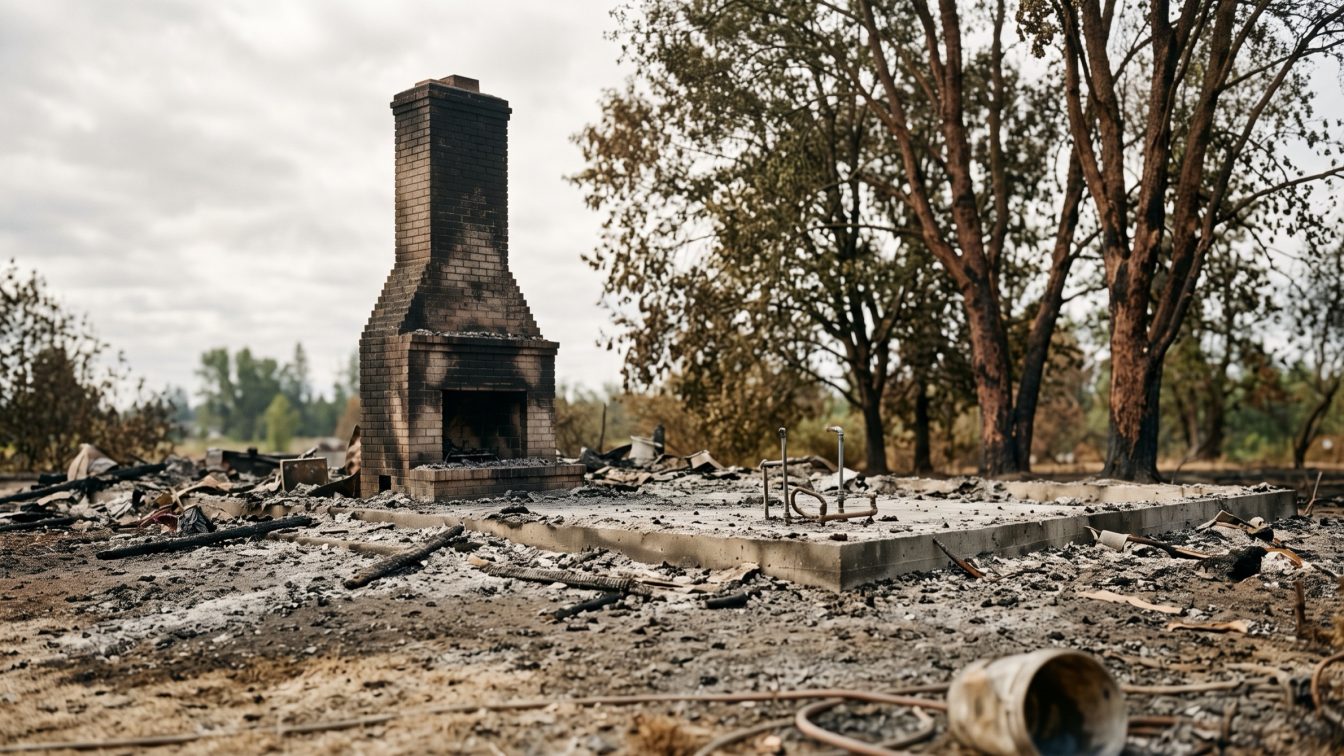
Table of contents
Summary of this article
- Wildfire concentrates the toxic materials a home contained, such as lead paint, arsenic-treated wood, asbestos, and flame retardants, into ash and the soil where the structure stood.
- The US Environmental Protection Agency classifies ash from burned structures as hazardous and removes it as a dedicated phase of wildfire cleanup.
- Testing after California wildfires has found lead, arsenic, and other heavy metals in post-fire ash and soil above residential screening levels.
- The Centers for Disease Control and Prevention states there is no safe blood lead level in children, and arsenic and asbestos are recognized carcinogens.
- The main exposure pathways are inhaling airborne ash and dust, ingesting contaminated soil through hand-to-mouth contact, and tracking ash indoors.
- Disturbing ash and gardening in untested post-fire soil are two of the highest-risk activities after a fire.
- Source control means testing before you plant, using respirators and protective gear during cleanup, and covering or replacing contaminated soil.
A wildfire that burns a home does not destroy the toxic materials inside it. It concentrates them. Lead from old paint, arsenic from treated lumber, asbestos from older insulation, and flame retardants from furniture do not burn away in a structure fire. They collect in the ash and settle into the soil where the house stood.
The US Environmental Protection Agency treats this ash as hazardous waste. After major wildfires, the agency conducts a dedicated hazardous materials removal phase before general debris cleanup begins, precisely because burned structures leave behind concentrated heavy metals and other toxic residues. The soil beneath and around a burned home can hold contaminants at levels that exceed residential screening standards.
This is a source-control story. The fire is the event, but the ash and contaminated soil are the lingering source. You cannot undo a burn. You can control the contaminated material it leaves behind, and understanding what that material contains is the first step to protecting the people who live and rebuild there.
What a burned home leaves in the ash
A house is built and furnished with materials that become hazardous when burned. Fire changes their form, but not their toxicity, and often concentrates them.
Lead. Homes built before 1978, when the federal government banned lead-based paint for residential use, commonly contain lead in their paint. Fire does not destroy lead. The metal survives combustion and concentrates in the ash. Testing after the 2018 Camp Fire in Paradise, California, and other major wildfires has repeatedly found lead in structural ash at levels above residential screening thresholds.
Arsenic. Pressure-treated wood produced before 2004 was treated with chromated copper arsenate, a preservative containing arsenic. Decks, fences, and play structures made from that lumber release arsenic into ash when they burn. The EPA classifies arsenic as a known human carcinogen.
Asbestos. Homes built before the 1980s often contain asbestos in insulation, floor tiles, roofing, and pipe wrap. When these materials burn or are disturbed during cleanup, they can release microscopic asbestos fibers into the air. The EPA and the Occupational Safety and Health Administration both regulate asbestos because inhaled fibers cause lung disease and cancer.
Flame retardants and combustion byproducts. Furniture foam, electronics, and plastics release flame retardant chemicals and other combustion byproducts as they burn. These settle into ash and soil alongside the metals.
Why ash concentrates contaminants
Combustion reduces a large volume of material to a small volume of ash. The organic components, the wood, paper, fabric, and plastic, burn off as gas and smoke. The metals do not.
The result is concentration. Lead, arsenic, and other heavy metals that were spread throughout the structure end up compressed into the ash that remains. A study of ash and soil following California wildfires, published in the journal Environmental Science and Technology, documented elevated concentrations of heavy metals in the ash from burned residential structures, higher than in the surrounding unburned soil.
Ash is also fine and mobile. Wind lifts it. Rain washes it into soil, where the metals bind to soil particles and persist. Heavy metals do not break down. Once lead or arsenic enters the soil, it stays until it is physically removed or covered, which is why post-fire soil contamination is a long-term concern rather than a temporary one.
How the contaminants reach your body
The exposure pathways after a fire follow the ash and the dust it becomes. Three routes matter most.
Inhalation. Disturbing ash sends fine particles and, in older structures, asbestos fibers into the air. Cleanup, foot traffic, and wind all lift ash into the breathing zone. The particles travel deep into the lungs.
Ingestion. People swallow contaminated soil and ash through hand-to-mouth contact after touching surfaces, tools, or the ground. This pathway matters most for young children, who play on the floor and outdoors, put their hands in their mouths, and ingest more soil relative to their body size than adults. The Centers for Disease Control and Prevention identifies contaminated soil and dust as a primary exposure route for childhood lead poisoning.
Tracking indoors. Ash and contaminated soil cling to shoes, clothing, tools, and pets. Once carried inside, the material settles into house dust, extending the exposure into the home long after outdoor cleanup ends.
The health risks that make testing essential
The contaminants in post-fire soil carry documented health consequences, and the severity is why agencies treat the ash as hazardous.
The Centers for Disease Control and Prevention states there is no safe blood lead level in children. Even low exposure is linked to lower IQ, attention problems, and learning difficulties, and the damage is permanent. Arsenic exposure over time is linked to cancer of the bladder, lung, and skin, according to the EPA, which limits arsenic in drinking water to 10 parts per billion for that reason. Asbestos fibers, once inhaled, can cause asbestosis, lung cancer, and mesothelioma, often decades after exposure.
These risks concentrate around two activities. The first is disturbing ash without protection during cleanup and rebuilding. The second is gardening in untested post-fire soil, which combines skin contact, inhalation of disturbed dust, and, when produce is grown, the possibility of contaminants reaching food.
Gardening in post-fire soil: a specific warning
Growing food in post-fire soil deserves separate attention because it introduces an additional exposure route and a false sense of recovery.
Tilling and digging disturb settled ash and bring buried contaminants to the surface, releasing dust that can be inhaled and ingested. Some plants take up certain metals from contaminated soil, and root vegetables and leafy greens can carry soil particles on their surfaces. The University of California Agriculture and Natural Resources, which advises California growers, recommends testing garden soil for heavy metals after a fire before planting edibles, and avoiding food gardening in soil with elevated contaminant levels until it is remediated.
The reader prompt here is simple. Before you plant anything you intend to eat in soil that was exposed to structural fire ash, test it first. Do not assume that green regrowth signals a safe growing medium. Plants tolerate metal levels that remain hazardous to people.
Practical fixes: control the ash and the soil
You cannot filter heavy metals out of your body, and you cannot burn contamination away a second time. The reliable approach is to control the contaminated ash and soil at the source: test it, avoid disturbing it unprotected, and cover or remove what is contaminated. These steps target the largest exposure pathways.
Do not disturb ash before testing. Ash from a burned structure should be treated as hazardous until proven otherwise. Avoid sweeping, raking, or tilling it, which sends contaminants airborne. In many jurisdictions, government-managed hazardous materials removal must occur before residents handle debris.
Test the soil. Have soil tested for lead, arsenic, and other heavy metals through a certified laboratory or a university extension service before gardening, landscaping, or letting children play in the yard. Testing is the only way to know what the soil contains, because the contaminants are invisible.
Wear proper protective gear during any cleanup. Use an N95 or, better, a P100 respirator to block fine ash and fibers, along with gloves, goggles, long sleeves, and closed shoes. The Occupational Safety and Health Administration recommends respiratory protection when handling wildfire ash and debris.
Keep ash wet during handling. Lightly misting ash before cleanup suppresses airborne dust. Do not use leaf blowers or dry sweeping, which aerosolize the contaminants.
Remove contaminated clothing and shoes before entering the home. Change out of cleanup clothing outside, remove shoes at the door, and wash cleanup clothes separately to avoid tracking ash into house dust.
Wash hands and produce. Wash hands thoroughly after any contact with ash or soil, and before eating. Wash children’s hands frequently. If you harvest from previously exposed soil after remediation, wash produce carefully.
Cover or replace contaminated soil. Where testing shows elevated metals, options include removing and replacing the top layer of soil, covering it with clean soil or mulch, or building raised beds with clean imported soil for gardening. Covering bare contaminated soil also reduces windblown dust.
Control indoor dust. Inside a home near a burn area, vacuum with a sealed HEPA filter and damp-wipe surfaces to capture ash that has entered. A standard vacuum can blow fine particles back into the air.
Follow official cleanup guidance. After a major wildfire, the EPA and state agencies publish site-specific cleanup and re-entry instructions. Follow the hazardous materials removal sequence and any soil testing requirements before rebuilding or replanting.
The bottom line
Wildfire concentrates the toxic materials a home contained into the ash and soil it leaves behind. Lead from old paint, arsenic from treated wood, asbestos from older insulation, and flame retardants from furniture survive the burn and settle where the structure stood. The EPA classifies this ash as hazardous and removes it as a dedicated cleanup phase, and testing after California wildfires has repeatedly found heavy metals above residential screening levels. The Centers for Disease Control and Prevention is clear that no lead level is safe for children, and arsenic and asbestos are recognized carcinogens. The two highest-risk activities are disturbing ash without protection and gardening in untested soil. You cannot undo the fire, but you can control what it left. Test the soil, protect yourself during cleanup, and cover or replace what is contaminated before anyone plants, plays, or rebuilds.
Sources
- US Environmental Protection Agency. Wildfire debris cleanup and hazardous materials removal guidance, on structural ash treated as hazardous waste.
- Centers for Disease Control and Prevention. Childhood Lead Poisoning Prevention, on the no safe blood lead level statement and contaminated soil as an exposure route.
- US Environmental Protection Agency. Arsenic in drinking water and health effects, on arsenic as a known human carcinogen and the 10 parts per billion standard.
- Environmental Science and Technology. Peer-reviewed research on heavy metal concentrations in ash and soil following California wildfires.
- University of California Agriculture and Natural Resources. Guidance on soil testing and gardening after wildfire.
- Occupational Safety and Health Administration. Recommendations for respiratory protection and safe handling of wildfire ash and debris.
Questions people ask
Is the soil dangerous after a wildfire burns a home?
It can be. Wildfire concentrates the toxic materials a home contained, such as lead from old paint, arsenic from treated wood, and asbestos from older insulation, into the ash and soil where the structure stood. The US Environmental Protection Agency classifies structural ash as hazardous, and testing after California wildfires has found heavy metals in post-fire soil above residential screening levels. Testing is the only way to know what your soil contains.
What contaminants are in post-fire ash and soil?
The most common are lead from paint in pre-1978 homes, arsenic from pressure-treated wood made before 2004, asbestos from insulation and flooring in older structures, and flame retardants and combustion byproducts from furniture, plastics, and electronics. Combustion burns off the organic material and concentrates the heavy metals, which do not break down and persist in the soil until removed or covered.
Can I garden in soil that was exposed to wildfire ash?
Not until you test it. Tilling disturbs settled ash and can release contaminants, some plants take up metals from soil, and produce can carry soil particles. The University of California Agriculture and Natural Resources recommends testing garden soil for heavy metals after a fire before planting edibles and avoiding food gardening in soil with elevated levels until it is remediated. Do not assume green regrowth means the soil is safe.
How do I protect myself during post-fire cleanup?
Wear an N95 or P100 respirator to block fine ash and asbestos fibers, along with gloves, goggles, long sleeves, and closed shoes. The Occupational Safety and Health Administration recommends respiratory protection when handling wildfire debris. Keep ash lightly wet to suppress dust, avoid leaf blowers and dry sweeping, and remove and wash cleanup clothing before entering your home.
How do I get my soil tested?
Send a sample to a certified environmental laboratory or a university extension service, and ask specifically for a heavy metals panel that includes lead and arsenic. After major wildfires, state agencies and the EPA often publish site-specific testing guidance and, in some cases, offer testing as part of the cleanup program. Test before gardening, landscaping, or letting children play in the yard.
Can contaminated post-fire soil be fixed?
Yes, through remediation. Where testing shows elevated metals, options include removing and replacing the top layer of soil, covering it with clean soil or mulch, or building raised beds with clean imported soil for gardening. Covering bare contaminated soil also reduces windblown dust. Because heavy metals do not break down, these physical controls, rather than any chemical treatment, are the reliable fixes.
Have questions about the environment inside your home?
Air quality, mold, EMF, light and water all shape how a house feels and how the people in it feel. Whatever your concern is, the first step is finding out what is there.
Our certified team of environmental professionals and advocates can help.