


“BPA-free” plastic may not be any safer than BPA
Companies replaced BPA with BPS and BPF, chemicals so similar that the body handles them in much the same way. Research links the substitutes to obesity, diabetes, and liver damage.
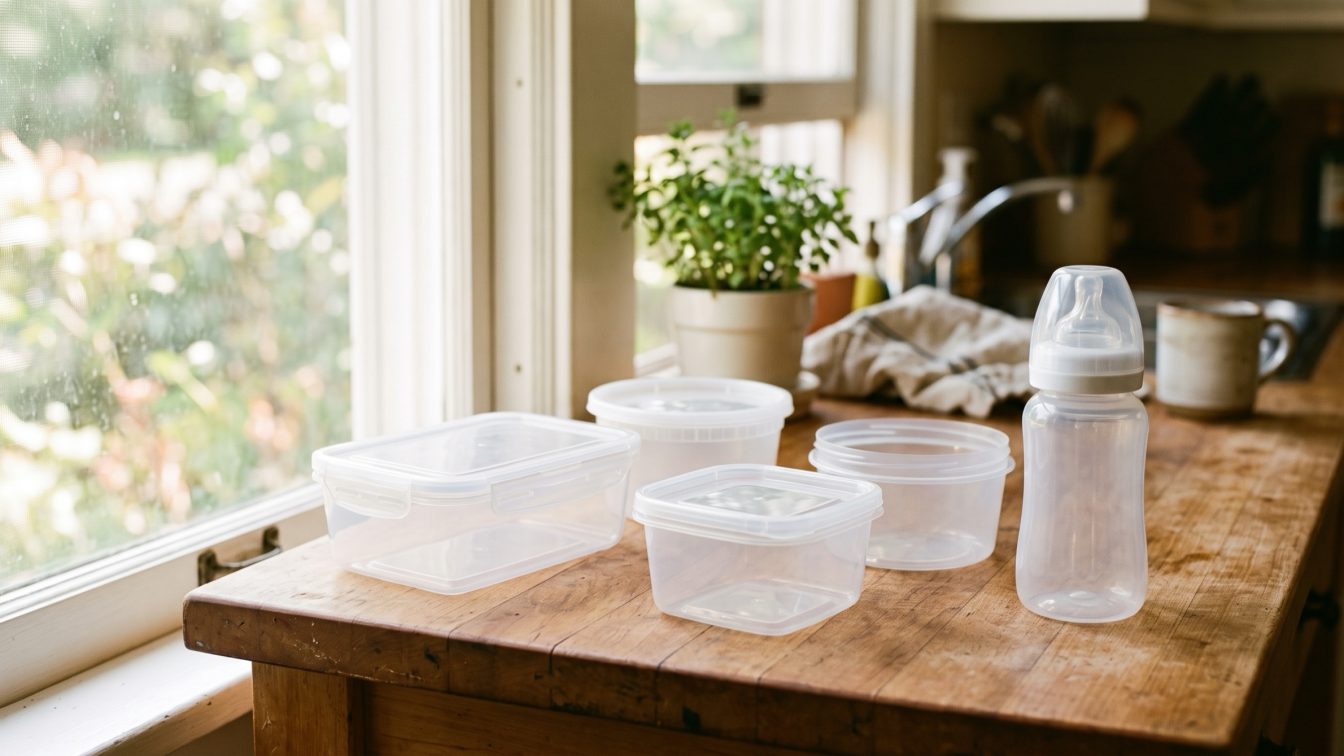
Table of contents
Summary of this article
- The substitutes that replaced BPA, primarily BPS and BPF, continue to drive metabolic disease globally, Environmental Health News reported on December 5, 2025.
- BPS (bisphenol S) and BPF (bisphenol F) are structurally almost identical to BPA and act as endocrine disruptors in the same way.
- Research links bisphenol exposure to obesity, type 2 diabetes, and liver damage, because the chemicals interfere with the hormone system that regulates metabolism.
- The chemicals appear in canned food linings, hard plastics, thermal paper receipts, and reusable food containers, including those labeled "BPA-free."
- "BPA-free" describes only what is absent. It does not indicate what replaced BPA, and the replacements are rarely tested for safety before use.
- Swapping one bisphenol for another does not reduce the exposure, a pattern researchers call regrettable substitution.
- The Centers for Disease Control and Prevention detects bisphenol A in the vast majority of Americans it tests, and BPS and BPF are increasingly detected as well.
- Source control means avoiding the entire class of bisphenols through glass and stainless steel, not chasing a "safer" replacement.
Manufacturers pulled bisphenol A out of bottles and containers when shoppers started avoiding it. They put bisphenol S and bisphenol F in, chemicals so close in structure that a body handles them the same way.
Environmental Health News reported on December 5, 2025 that those substitutes keep driving metabolic disease worldwide. BPS and BPF are endocrine disruptors exactly as BPA is, and research ties the whole family to obesity, type 2 diabetes and liver damage.
Anyone who bought a “BPA-free” container to dodge the risk mostly traded a named chemical for an unnamed one carrying the same concern.
What replaced BPA, and why it was chosen
BPA makes hard clear polycarbonate plastic and the epoxy resin lining most food and drink cans. Once studies tied it to hormonal and developmental effects and consumers began walking away, manufacturers needed something that did the same job.
They picked close relatives. BPS and BPF sit in the same chemical family and share nearly the same molecular backbone. That resemblance is precisely why they work as substitutes, and precisely why they raise the same health question. A chemical built to act like BPA in a product tends to act like BPA in a person.
Researchers call this regrettable substitution: swapping a known hazard for a less-studied one that turns out to do similar harm. The bisphenol switch is the textbook case, adopted at scale before anyone established its safety, with the evidence arriving afterward.
How bisphenols disrupt metabolism
An endocrine disruptor interferes with the hormone system, the network of glands and signals running development, reproduction and metabolism.
Mimicry does it. Bisphenols imitate estrogen, binding to the receptors the real hormone uses and sending signals the body never asked for. Since hormones govern metabolism, that interference reaches straight into how fat gets stored, how blood sugar is controlled, and how energy is processed. BPS and BPF do it through the same estrogen-mimicking action as BPA.
Three outcomes are documented:
Obesity. Bisphenols act as obesogens, promoting fat storage by disrupting the hormonal signals behind appetite, fat cell development and energy balance. Exposure is associated with higher body weight and fat accumulation.
Type 2 diabetes. Interference with insulin signaling and blood sugar control links bisphenols to insulin resistance, the condition that precedes and drives type 2 diabetes.
Liver damage. The liver runs metabolism, and bisphenol exposure is associated with fat accumulation there and with markers of liver stress. Cardiologists have begun naming chemical exposure among the drivers of heart disease for related reasons.
Almost nobody escapes it. The CDC detects bisphenol A in the vast majority of Americans it tests through its National Report on Human Exposure to Environmental Chemicals, and as BPS and BPF have taken over in products, biomonitoring finds those too.
Where the chemicals get in
Four sources account for most household exposure, and every one is a point of contact you can change.
Canned food linings. Most metal cans are coated inside with a bisphenol-based epoxy resin that stops corrosion, and the chemical migrates into the food. Acidic contents pull out more, so tomatoes, citrus and beans are the worst offenders.
Hard plastics. Polycarbonate turns up in reusable bottles, storage containers and kitchen items. It leaches bisphenols into food and drink, and far more once heated, scratched or aged.
Thermal paper receipts. Register receipts, tickets and labels use bisphenol as a color developer, sitting on the surface as a loose powder that transfers to skin on contact and absorbs through it. Bedding does something similar with heat, and a crib mattress gives off 12 compounds cold and 21 under a sleeping child.
Containers labeled “BPA-free.” Often made with BPS or BPF, which leach the same way. The label removed one chemical and kept the class.
Contact drives the dose, and the dose responds quickly to what you handle: cutting plastic out of food contact dropped urine chemical levels by 33% in a week.
What the label actually tells you
“BPA-free” is a statement about absence. One specific chemical is not in the product. Nothing on the package says what took its place.
That gap is where the exposure lives. In most cases the replacement is BPS or BPF, and neither gets disclosed. A shopper reads “BPA-free” and reasonably concludes the hazard is gone, when it has been renamed and moved out of sight. The label fixed a marketing problem.
Regulation permits this. Bisphenol substitutes reached the market without the pre-market safety testing drugs face, and no rule requires a manufacturer to prove a replacement is safer than what it replaced. Avoidance falls to the individual, working from a label that cannot identify the risk.
So stop hunting for a safer bisphenol. Since BPS and BPF carry the same concern, the move that works is cutting contact with the whole class rather than switching between its members.
Cut the whole class
Store and reheat in glass or stainless steel. Neither contains or leaches bisphenols. Move leftovers and meal prep out of hard plastic, and reheat in glass or ceramic.
Never heat food in plastic. Heat drives the most transfer. Move food to a glass or ceramic dish before microwaving, and skip plastic wrap entirely; a paper towel or vented glass lid does the job.
Skip canned food where you can. Testing found every baby bottle and sippy cup released bisphenols as well. Fresh, frozen or glass-jarred, especially for the acidic foods that pull the most out of a can lining.
Read “BPA-free” as marketing. Choose materials with no bisphenols at all, glass, stainless steel, untreated ceramic, rather than a relabeled plastic.
Decline paper receipts. Take the digital version, and wash your hands after handling a printed one, particularly before eating.
Replace polycarbonate bottles. Glass or stainless instead, and bin any plastic bottle or container that is scratched, cloudy or worn, because damage increases leaching.
Keep plastic out of the dishwasher. Heat degrades it and raises bisphenol release. Hand wash in cool water while you transition away.
Choose fresh over heavily packaged. Packaged and canned food picks up more bisphenol contact along the production chain than whole food stored in glass.
The chemicals that replaced BPA carry the same concern as BPA, sit in the same cans and bottles and receipts, and hide behind a label naming only what is absent. Regrettable substitution, in short: the name on the risk changed and the risk did not. Glass for storage, nothing heated in plastic, fewer cans, and a receipt you never touch.
Sources
- Environmental Health News (EHN), December 5, 2025. Supposedly "safer" substitutes for BPA continue to drive metabolic disease globally, on BPS and BPF as endocrine disruptors linked to obesity, diabetes, and liver effects.
- Centers for Disease Control and Prevention. National Report on Human Exposure to Environmental Chemicals, on bisphenol A biomonitoring in the US population and the growing detection of BPS and BPF.
- Environmental Protection Agency and National Institute of Environmental Health Sciences. Guidance on bisphenol A, bisphenol substitutes, and endocrine disruptors, including how the chemicals mimic estrogen and migrate from plastics and can linings.
- Food and Drug Administration. Information on BPA and bisphenol use in food-can linings and food-contact materials.
Questions people ask
What are BPA substitutes like BPS and BPF?
BPS (bisphenol S) and BPF (bisphenol F) are the chemicals manufacturers used to replace bisphenol A after consumers began avoiding BPA. Both belong to the same chemical family and share nearly the same molecular structure as BPA, which is why they perform the same function in products and act the same way in the body. Environmental Health News reported on December 5, 2025 that these substitutes continue to drive metabolic disease globally.
How do bisphenols cause metabolic disease?
Bisphenols are endocrine disruptors that can mimic estrogen, binding to the same receptors the natural hormone uses and interfering with the hormone system that regulates metabolism. That interference reaches how the body stores fat, controls blood sugar, and processes energy. Research links exposure to obesity, insulin resistance and type 2 diabetes, and liver damage.
Does "BPA-free" mean a product is safe?
No. "BPA-free" only means the product does not contain bisphenol A. It says nothing about what replaced it, and in most cases the replacement is BPS or BPF, which are not disclosed on the label and carry the same health concerns. The label addresses one named chemical, not the class of bisphenols. It is best read as marketing rather than verification of safety.
Where do bisphenols show up in a home?
In four main places. Most metal food and drink cans are lined with a bisphenol-based epoxy resin that migrates into the food, especially acidic foods. Hard polycarbonate plastics, including reusable bottles and containers, leach bisphenols into food and drink. Thermal paper receipts are coated with bisphenol that transfers to skin. And containers labeled "BPA-free" may still be made with BPS or BPF.
Why did replacing BPA not fix the problem?
Because the replacement was structurally almost identical to what it replaced. Researchers call this regrettable substitution: swapping a known hazardous chemical for a less-studied one that turns out to cause similar harm. BPS and BPF were adopted at scale before their safety was established, and the evidence linking them to the same metabolic effects as BPA emerged afterward.
What is the single most effective thing I can do?
Move food storage and reheating out of all hard plastics and into glass or stainless steel, and never heat food in plastic. Because bisphenols migrate most under heat and food is a primary pathway, this cuts the largest source. Pair it with skipping canned food, declining thermal paper receipts, and treating "BPA-free" claims as marketing rather than proof of safety. The goal is to reduce the entire class of bisphenols, not switch between them.


Have questions about the environment inside your home?
Air quality, mold, EMF, light and water all shape how a house feels and how the people in it feel. Whatever your concern is, the first step is finding out what is there.
Our certified team of environmental professionals and advocates can help.